

Can You Travel Internationally With Ashes?

Can you travel internationally with ashes? Yes, you can. Bringing a loved one to their final
resting place across borders is a meaningful step. It is possible provided you follow the specific
guidelines set by airport authorities, airlines, and your destination country. Navigating
international travel with ashes requires careful preparation. You must verify CATSA (Canadian
Air Transport Security Authority) screening requirements, airline baggage policies, and the entry
rules of any connecting countries. Approval is never guaranteed simply by arriving at the
departure gate. Planning ahead is the best way to ensure a smooth journey out of Toronto or
any other Canadian departure city.
Key Takeaways
- Always check your airline's baggage policies before booking your flight.
- Use a scan-friendly temporary urn made of plastic, cardboard, or wood to pass security.
- Carry all necessary documentation securely, including death and cremation certificates.
- Research the border requirements for your destination and any transit countries well in advance.
- Remember that screening officers will never open an urn, making successful X-ray
clearance mandatory.
Can Cremated Ashes Be Taken to Another Country?
Taking ashes abroad involves coordinating with multiple agencies. Requirements vary
significantly depending on your route and the authorities involved. Aviation bodies like Transport
Canada establish overarching safety rules, but the practical steps depend on your specific
itinerary.
​
You must clear CATSA airport security screening before boarding your flight. Additionally, you
need to follow the specific airline baggage policy for your carrier. Some airlines permit travelling
with ashes internationally in the cabin, while others restrict them to the cargo hold. Customs and
border requirements dictate how you enter a foreign country. You also need to understand the
rules of any connecting airport and transit country on your itinerary.
​
Being allowed to bring cremated remains into a country is different from having permission to
scatter or bury them there. You must research local burial or scattering requirements separately
to ensure you comply with regional laws.
CATSA Screening Rules for Flying With Cremated Remains
Passing security is a critical step when flying with cremated remains. For families departing from
Canadian airports, CATSA cremated remains guidelines apply. CATSA lists volumes of less
than 350 mL as permitted in carry-on luggage, subject to successful x-ray screening. Larger
amounts may be more difficult to clear through the security checkpoint and might require
alternative transport methods.
​
Taking ashes through airport security requires preparation. For the X-ray machine to see what is
inside, you must use scan-friendly container materials like plastic, cardboard, or thin wood.
Dense materials like metal, stone, or ceramic will block the X-ray and fail the screening process.
​
CATSA screening officers are strictly prohibited from opening cremation containers under any
circumstances. If an urn cannot be cleared, you will need to find another way to transport it.
Funeral home documents do not replace successful screening. Always confirm checked
baggage policies directly with your airline to see if they allow ashes in the cargo hold.
How to Prepare Cremated Ashes for International Travel
Taking the time to properly prepare will reduce stress at the airport and help you focus on your
journey.
​
Use a Security-Friendly Travel Container
Choosing the right travel urn for ashes is vital for clearing security. Select a temporary container
made of a light material that X-rays can pass through easily.
​
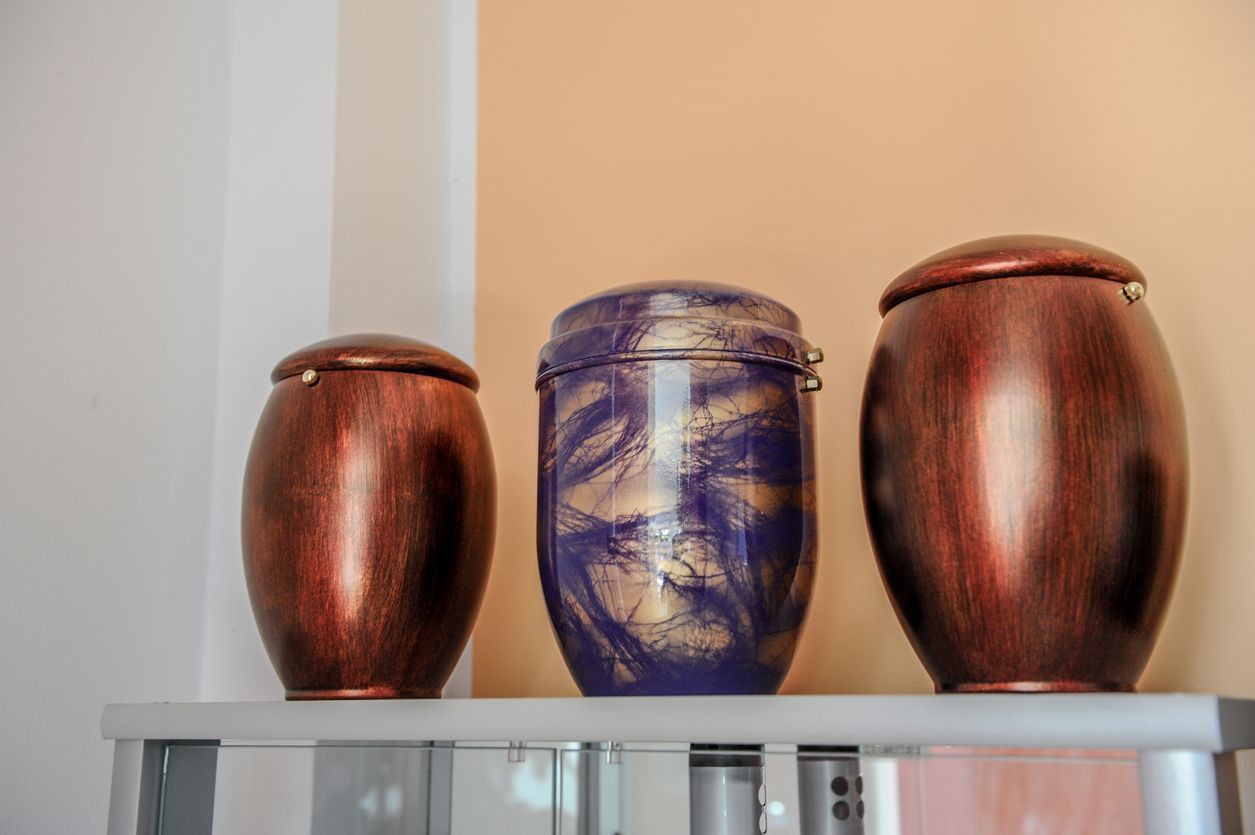
Many families choose to travel with a temporary plastic or cardboard box and pack an empty
permanent urn separately in their checked luggage to transfer the ashes after arrival. Ask your
cremation provider whether a suitable temporary container is available to assist with your travel
plans.
​
Keep the Ashes Sealed and Secure
Proper packing prevents accidental spills during transit. Keep the ashes tightly sealed inside
their container. Secure the urn in your bag to prevent movement during the flight.
​
Always keep the identifying information firmly attached to the container. Never attempt to open
the urn or transfer the ashes while at the airport or on the plane.
​
Pack the Urn Accessibly
If your airline allows cremated remains as a carry-on item, pack the urn so it is easy to reach.
Keep the container accessible for screening rather than burying it at the bottom of an
overpacked bag.
​
Arriving early at the airport gives you plenty of time to navigate the security checkpoint without
rushing. Always confirm your checked baggage permissions directly with the airline before you
arrive.
​
Carry Supporting Documents
Having the right paperwork ensures you are prepared for questions from airline staff or border
agents. The exact documents required to travel with ashes vary by airline, route, destination,
and purpose of travel. Ensure you have the following items readily available:
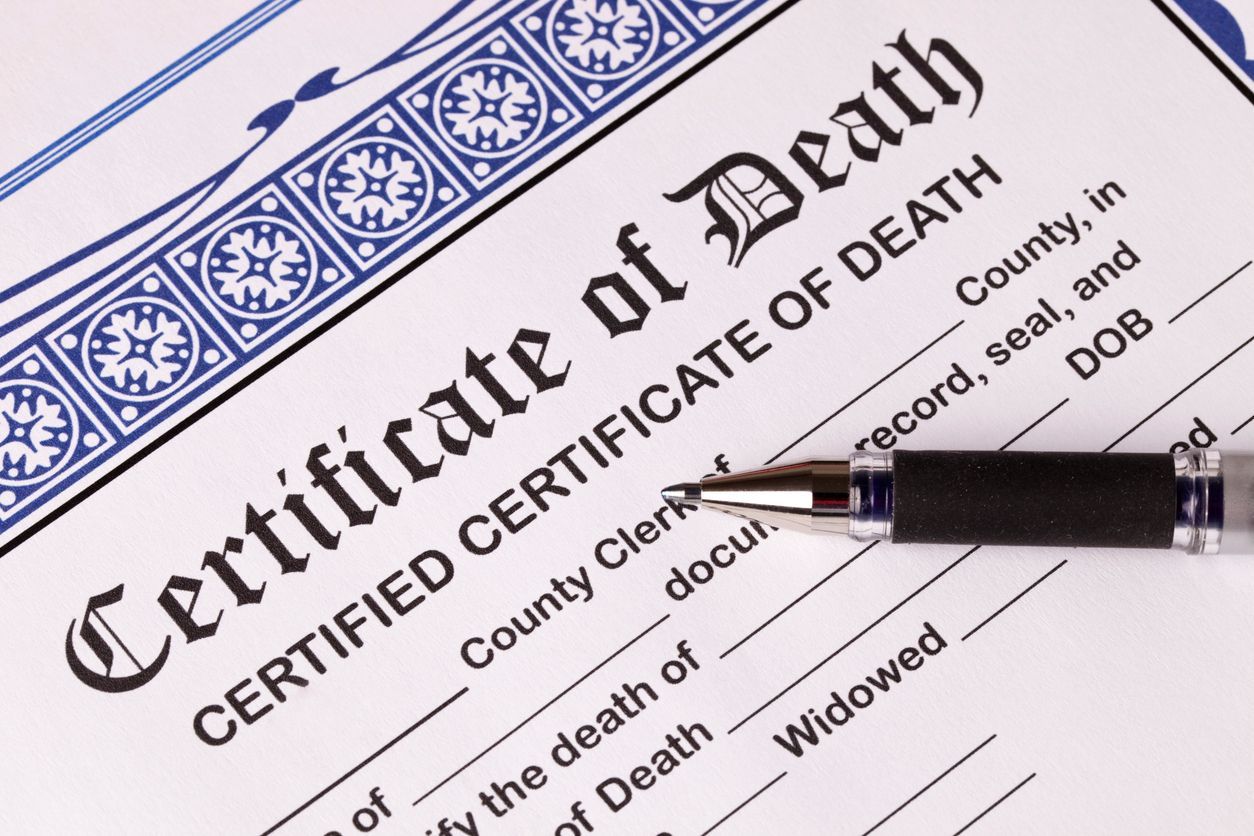
- Cremation certificate
- Death certificate
- Letter from the funeral home or cremation provider
- A permit to transport cremated remains, if required by your destination
- Embassy or consulate approval documents
- Customs forms or certified translations
International Travel With Ashes Checklist
Use this checklist to track your preparation steps and keep your travel plans organized.
| Preparation Step | Details |
|---|---|
| Confirm airline policy | Check carry-on and checked baggage rules directly with your carrier. |
| Review CATSA guidance | Ensure your container meets Canadian airport security screening standards. |
| Check connecting airports | Verify the rules for any transit countries on your itinerary. |
| Contact the embassy | Ask the destination country consulate about specific entry regulations. |
| Select a container | Use a scan-friendly travel urn made of wood, plastic, or cardboard. |
| Gather documents | Bring original copies of the death and cremation certificates. |
| Secure the urn | Confirm local laws for burying or scattering ashes at your destination. |
| Check scattering rules | Confirm local laws for burying or scattering ashes at your destination. |
| Create a backup plan | Know your alternatives if the urn cannot pass the security screening. |
Bringing Cremated Ashes Into Canada
If you are bringing ashes into Canada, the Canada Border Services Agency (CBSA) has specific
guidelines. Fully cremated human remains do not require a death certificate for Canadian
border clearance because they do not pose a quarantine risk.
​
However, travellers are strongly advised to carry copies of the death and cremation certificates
to help answer any questions at the border. You should also use an easily scanned container
such as cardboard, wood, or plastic to facilitate inspections.
​
Please note that this Canadian border guidance is separate from airline policies and destination
country requirements. Meeting CBSA standards does not guarantee that another authority will
waive its own specific rules.
What Should You Avoid When Travelling With Ashes?
There are several common pitfalls to avoid when transporting ashes across borders. First, avoid
using dense metal, stone, or ceramic containers. These materials will block X-ray machines and
fail security screening.
​
You should also never assume that all airlines follow the same baggage policy. Each carrier has
unique rules for cremated remains. Can you take ashes on a plane? Yes, but only if your
specific airline allows it and you follow their packing instructions.
​
Travelling without supporting documents is a major risk, as border agents may ask for proof of
contents. However, you must also avoid assuming that these documents will override the results
of an unsuccessful security scan. If the machine cannot see inside the urn, the documents will
not grant you clearance.
​
Do not ignore connecting airport requirements. A transit country may have strict rules that differ
from those of your final destination. Waiting until the day of travel to confirm these rules leaves
no time to correct mistakes. Finally, avoid assuming that entry permission also allows for
scattering. Local laws dictate where you can legally scatter remains.
Carrying Ashes vs Mailing Them Internationally
You may decide that taking ashes on a plane is not the best option for your family. As an
alternative, you can mail cremated ashes or use an international cargo service.
​
Mailing rules differ significantly from airline and security regulations. Postal services have strict
packaging and labelling requirements for human remains. Destination eligibility must be
confirmed separately, as some countries restrict or ban the importation of ashes by mail. Global
Affairs Canada or the destination country's embassy can provide guidance on which shipping
methods are legally permitted.
Should You Contact a Cremation Provider Before Travelling?
Consulting a professional can simplify the planning process. A provider offering cremation
services can often offer valuable guidance on the available certificates and identifying
information you will need.
​
They may also be able to answer questions about properly sealing the urn and obtaining
certified copies of documents for your trip. While you should never assume a provider has
specific travel containers or document services available without asking, reaching out for
practical travel preparation advice can give you peace of mind before you head to the airport.
Navigating International Travel With Ashes Confidently
Navigating international travel requires attention to detail, but you can travel internationally with
ashes safely and respectfully. By understanding CATSA screening rules, verifying airline
baggage policies, and checking destination border requirements, you protect your loved one's
remains throughout the journey. Remember to choose a scan-friendly container, carry all
necessary documents, and plan your route carefully. Sensible Choice Cremation is here to offer
compassionate guidance as you prepare to bring your loved one to their final resting place.
Recent Posts
A Sensible Approach