
How to Choose the Right Funeral Home or Cremation Provider in Ontario

October 7, 2026

Share this article

funeral director and elderly couple going over processes

How to Choose the Right Funeral Home or Cremation Provider in Ontario

If you're wondering how to choose a funeral home in Ontario, the most important step is to focus on facts rather than assumptions. Whether you are making arrangements after a loss or planning ahead, Ontario has a regulated bereavement sector designed to help protect consumers. The right provider is not necessarily the closest location or the one with the largest facility. Instead, it is the provider whose services, communication style, arrangement process, and support align with your family's needs and preferences.

This guide provides a practical framework for comparing funeral homes and cremation providers so you can make an informed decision with confidence.

Key Takeaways

• Verify that any funeral or cremation provider is properly licensed through the Bereavement Authority of Ontario (BAO).

• Compare providers based on services offered, communication, transparency, and family needs, not just price or location.

• Ask detailed questions about what is included in the arrangement process and who handles each step.

• Consider whether direct cremation, a memorial service, or a traditional funeral best fits your situation.

• Reviews and reputation can be helpful, but licensing and regulatory compliance should always come first.

Verify the Provider Is Licensed in Ontario

The first step in choosing a funeral home in Canada is verifying that the provider is licensed.

In Ontario, funeral establishments, crematoriums, transfer services, and related operators are regulated under the Funeral, Burial and Cremation Services Act (FBCSA). The Bereavement Authority of Ontario (BAO) is the government-delegated regulator responsible for overseeing licensed providers and protecting consumers.

Before making arrangements, check whether the provider appears in the BAO's public registry. The registry allows consumers to verify the licence status of funeral establishments, crematoriums, cemeteries, transfer services, and licensed professionals throughout Ontario.

A common misconception is that online reviews alone determine whether a provider is trustworthy. Reviews can offer useful insights, but licensing confirms that the provider operates within Ontario's regulatory framework. That verification should always come first when conducting a funeral home comparison in Ontario.

Match the Provider to the Type of Arrangement You Need

Not every provider specializes in the same type of service.

Some families want a traditional funeral service with visitation, ceremony, and burial. Others may prefer cremation followed by a memorial gathering at a later date. Some are looking for straightforward direct cremation arrangements without a formal service beforehand.

When evaluating a provider, ask what services they manage directly and which services involve outside organizations. Understanding the provider's service scope helps avoid confusion later in the process.

For example, a family planning ahead may prioritize pre-planning guidance and documentation support. Another family may need immediate assistance with cremation arrangements and transportation logistics. The best provider for one situation may not be the best fit for another.

A useful question to ask is:

"Can you walk me through every step you will handle from the initial arrangements through final disposition?"

The answer often reveals how clearly the provider communicates and whether their services align with your expectations.

Evaluate Communication and Arrangement Process

When families ask what to look for in a funeral home, communication is often one of the most important factors.

The arrangement process involves documentation, authorizations, scheduling, and important decisions made during an emotional time. A provider should be able to explain each step clearly and answer questions without creating confusion.

Ask how arrangements can be completed. Some providers offer in-person meetings only, while others can facilitate arrangements online or by phone. For families with relatives living in different cities, flexible arrangement options may be especially valuable.

It is also reasonable to ask:

• How are urgent needs handled after business hours?

• Who will be my primary point of contact?

• What documentation will I need?

• How will updates be communicated?

Families should leave the conversation with a clear understanding of next steps rather than uncertainty about the process.

For additional guidance about common arrangement questions, families may find the information available in the Sensible Choice FAQs helpful.

Consider Location, Transfer Logistics and Family Needs

Location matters, but it should not be the only deciding factor.

An Ontario funeral home may serve a wide geographic area, offer transportation services, or provide arrangements remotely. Depending on your circumstances, convenience may involve more than physical proximity.

Consider practical factors such as:

• Service area coverage

• Transfer logistics

• Accessibility requirements

• Cultural or religious considerations

• Whether family members need to attend in person

• Availability of cremation or burial-related services

Some families assume they must visit a facility multiple times. In reality, modern arrangement processes often provide greater flexibility, particularly when cremation services are involved.

The goal is to find a provider whose process works for your family's circumstances rather than forcing your family to adapt to unnecessary limitations.

Where Direct Cremation May Fit

When comparing direct cremation vs funeral home Ontario options, it helps to understand that direct cremation is simply a different service model.

Direct cremation typically involves cremation without a viewing or formal funeral service beforehand. Families can still hold a memorial service, celebration of life, or private gathering afterward if they choose.

For some families, this approach provides greater flexibility because memorial events can be planned on a timeline that works best for relatives and friends.

Providers such as Sensible Choice focus on direct cremation arrangements in Ontario and support families throughout the documentation, authorization, and cremation process. This option may be appropriate for families seeking a simpler approach while still maintaining the ability to honour their loved one in a meaningful way.

Finding a Funeral Provider That Fits Your Family's Needs

Choosing the right provider is about more than comparing prices or selecting the nearest location. By verifying licensing, understanding the provider's service scope, evaluating communication, considering logistics, and identifying the type of arrangement that best fits your situation, families can make more confident decisions during an important time.

If you are exploring cremation services in Ontario or have questions about direct cremation arrangements, Sensible Choice can provide clear information about the process, available options, and the practical steps involved so you can move forward with confidence and peace of mind.

Recent Posts

A Sensible Approach

cremation urn being delivered
By Kinship Admin • September 29, 2026
Unsure if you must pick up cremated remains? Discover your options, including delivery, temporary holding, Ontario regulations, and final resting place choices.
By Kinship Admin • September 24, 2026
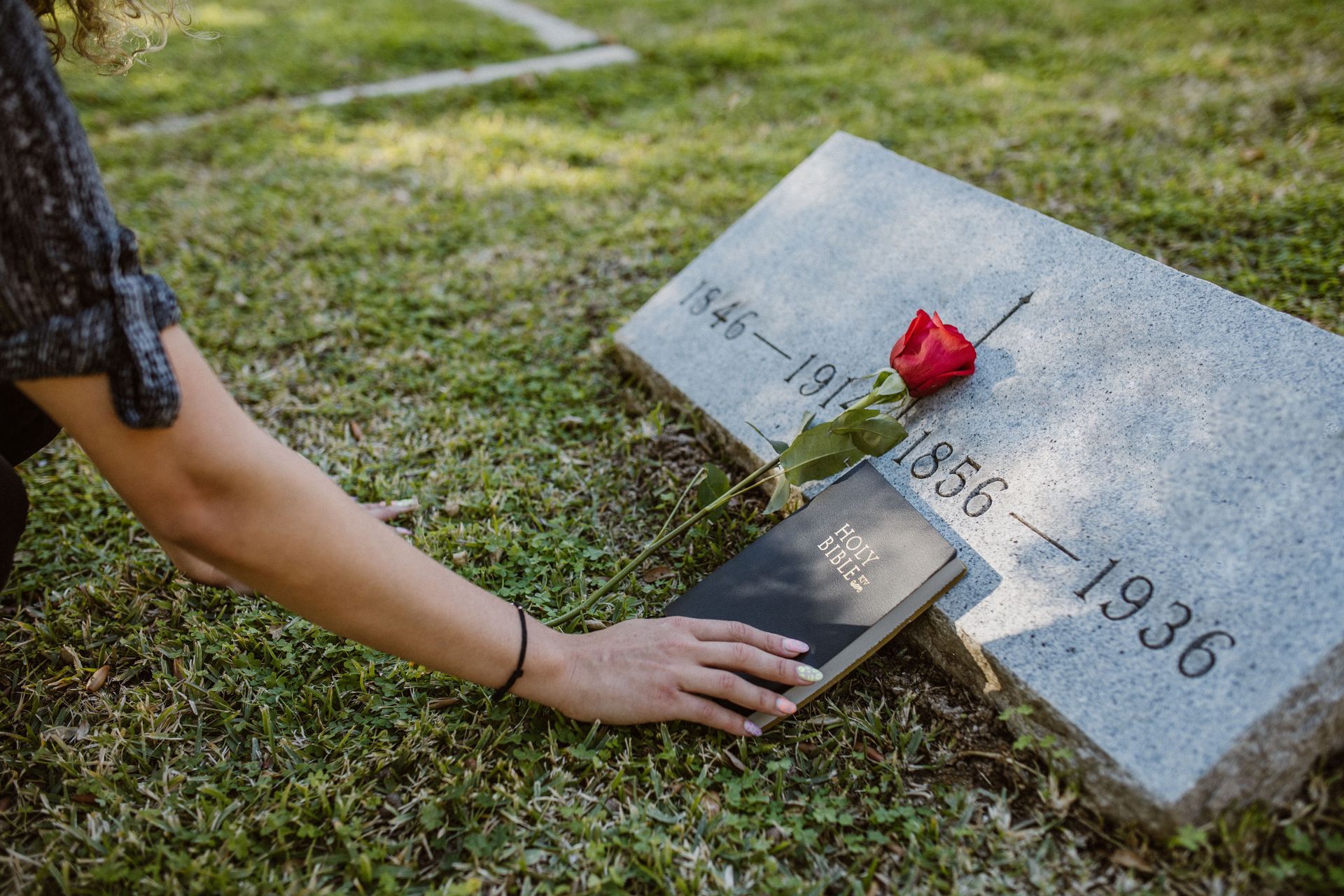
Yes, many people bury cremated ashes. Cremated remains can be interred in a cemetery plot, placed in a dedicated urn garden or buried in an existing family grave when permitted by the cemetery. Families often ask, do people bury cremated ashes? The answer is a reassuring yes, as burying ashes gives families a permanent and identifiable place to visit, remember and honour their loved one. ​ In Ontario, the burial of human remains, including cremated remains, is not permitted outside a licensed cemetery. This means families generally cannot bury an urn in a residential backyard or on other private land unless the property has formally been established as a licensed cemetery.
By Kinship Admin • September 17, 2026
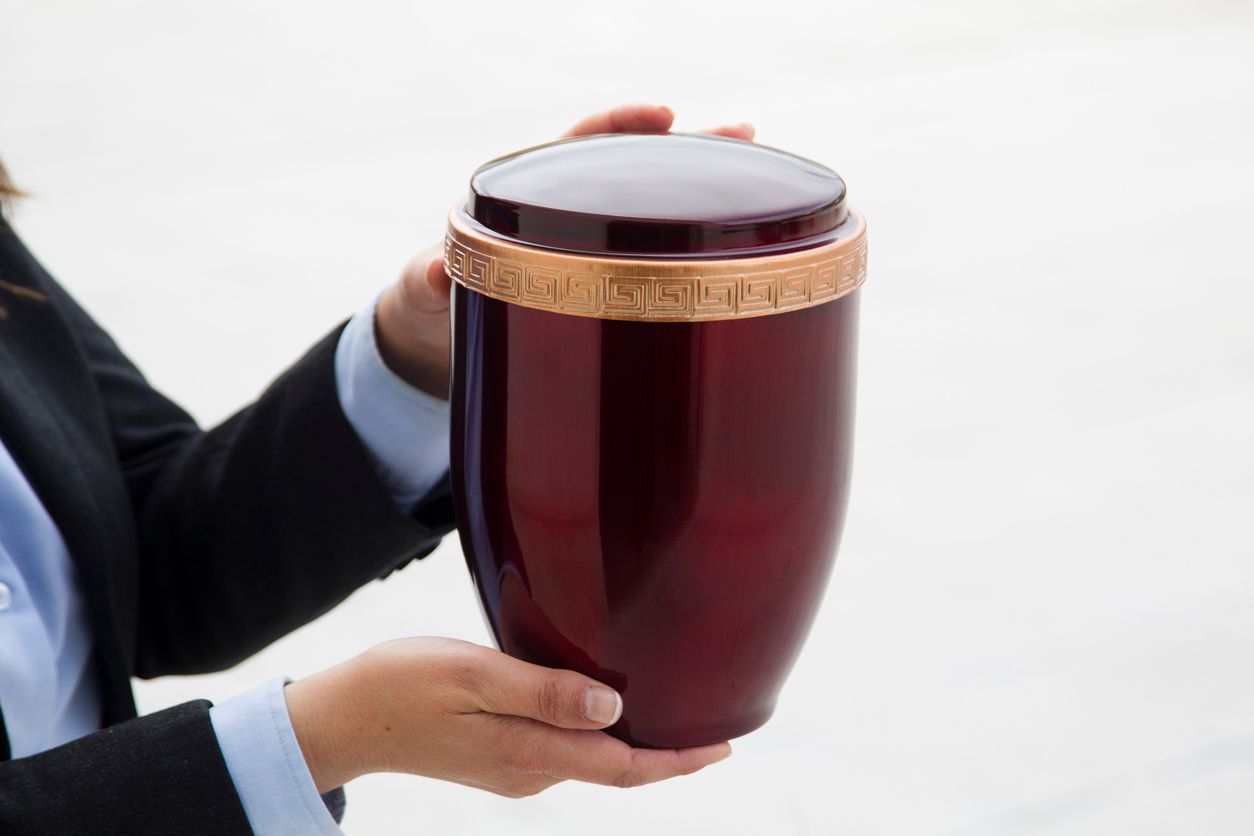
One of the most common questions families ask after a cremation is: how heavy are ashes after cremation? Whether you are choosing an urn, planning a memorial, arranging transportation, or simply trying to understand what to expect, knowing the typical weight of cremated remains can help you make informed decisions during an already difficult time. In most cases, adult cremated remains weigh between 1.5 and 3 kilograms (approximately 3 to 7 pounds), with many adults falling closer to the 2 to 2.5 kilogram range. However, several factors can influence the final weight. Understanding those factors can make selecting an urn, transporting remains, and planning memorial options much easier.

cremation service 5 star review
By Kinship Admin • September 10, 2026
Choosing a cremation service in Ontario? Discover how to verify BAO licensing, compare transparent pricing, and ensure compassionate care for your loved one.
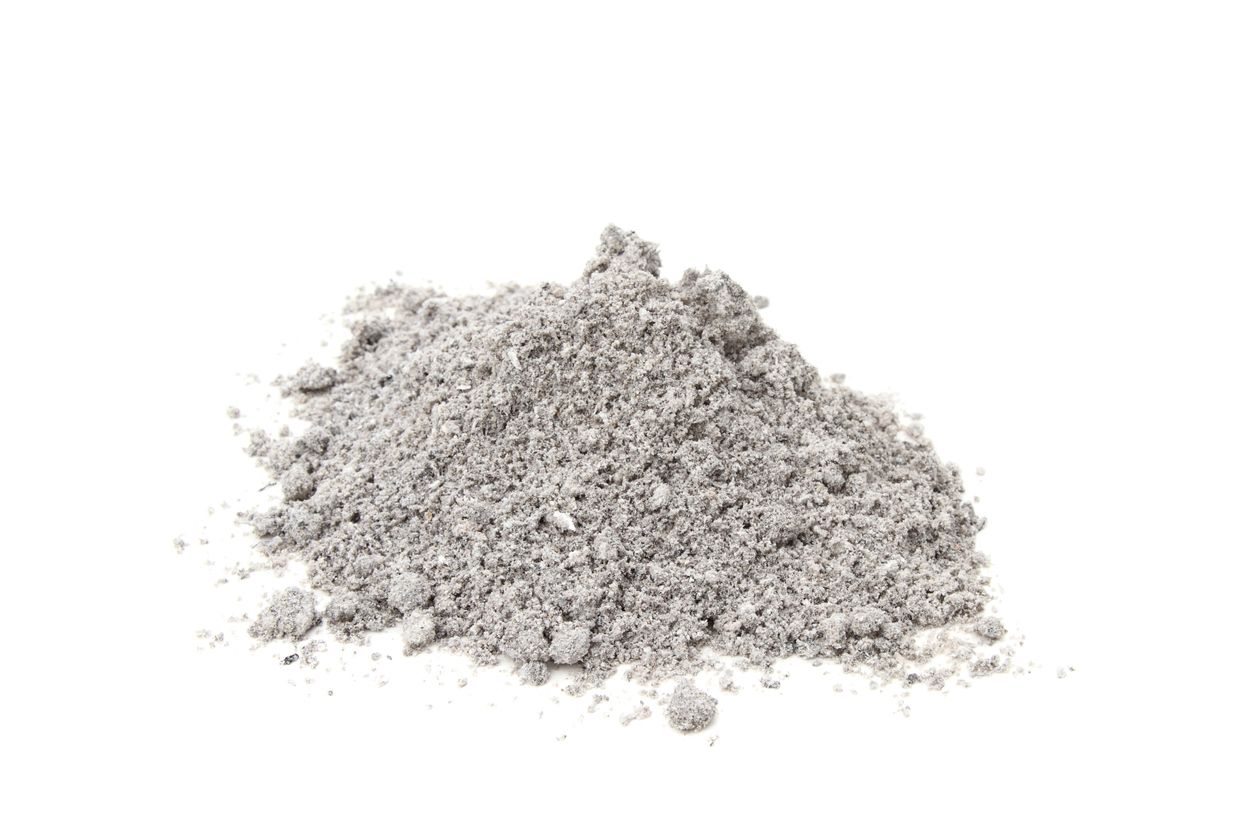
cremated ashes in a pile on a white background
By Kinship Admin • September 8, 2026
Do cremated ashes decompose? Learn why they don't biologically decay, how to store them properly, and how environmental factors impact cremated remains over time.
By Kinship Admin • September 1, 2026
Many Ontario funeral homes publish obituary listings directly on their websites for public access. This article serves as a practical guide to help you search obituaries efficiently across the province of Ontario. Specifically, we focus on how to locate service details and search obituary listings through Sensible Choice Cremation & Funeral Services, ensuring you can find memorial information and offer support to grieving families.
By Kinship Admin • August 25, 2026
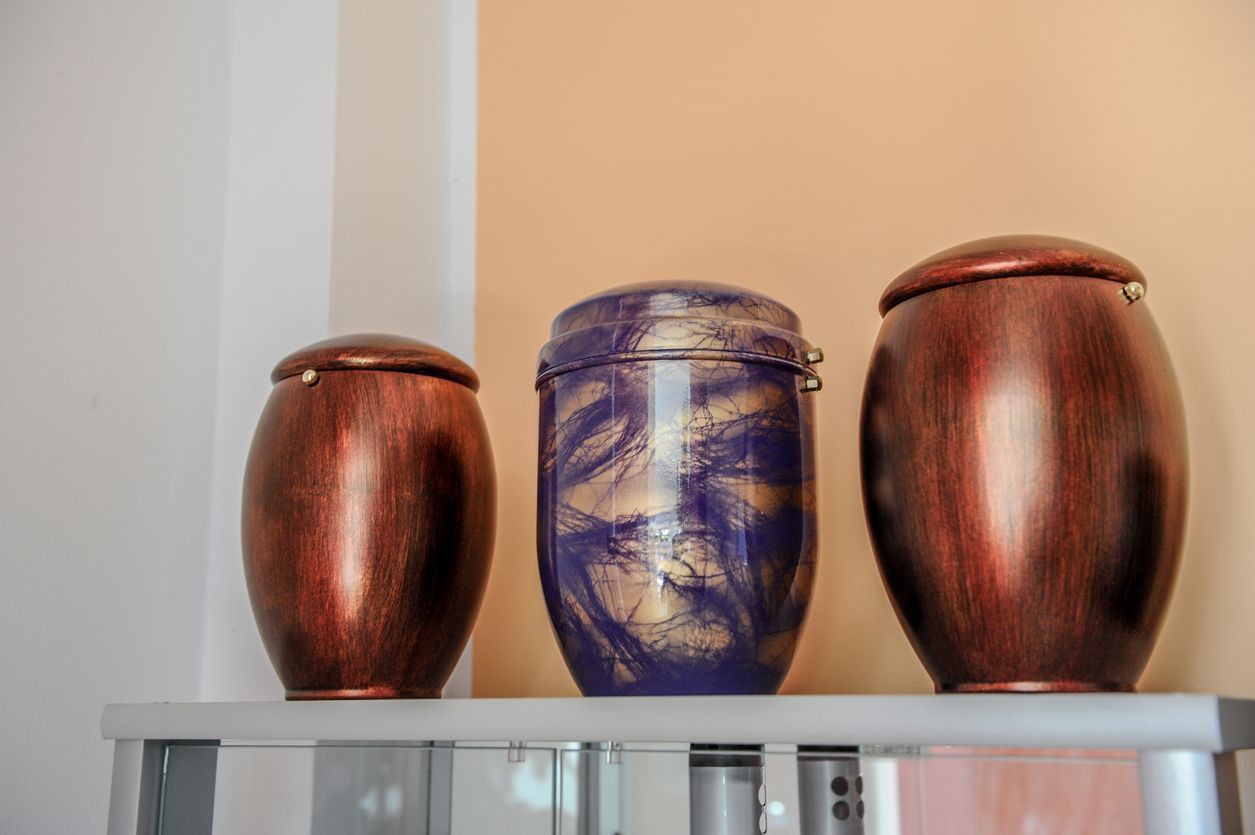
Can cremated ashes be divided? Yes. Learn about the legal and practical steps for separating remains to create respectful, personal memorials for your loved ones.

Gemologist holds a small diamond with tweezers for precise inspection and sorting
By Kinship Admin • August 18, 2026
Thinking of turning cremated ashes into diamonds? Learn about the process, how to verify provider claims, and key considerations for Canadian families.

By Kinship Admin • August 11, 2026
Wondering if you can spread ashes in the ocean in Canada? Learn about the legal requirements, planning steps, and environmental best practices for a meaningful water memorial.

By Kinship Admin • July 30, 2026
Can you travel internationally with ashes? Yes, you can. Bringing a loved one to their final resting place across borders is a meaningful step. It is possible provided you follow the specific guidelines set by airport authorities, airlines, and your destination country. Navigating international travel with ashes requires careful preparation. You must verify CATSA (Canadian Air Transport Security Authority) screening requirements, airline baggage policies, and the entry rules of any connecting countries. Approval is never guaranteed simply by arriving at the departure gate. Planning ahead is the best way to ensure a smooth journey out of Toronto or any other Canadian departure city.
By Kinship Admin • July 2, 2026
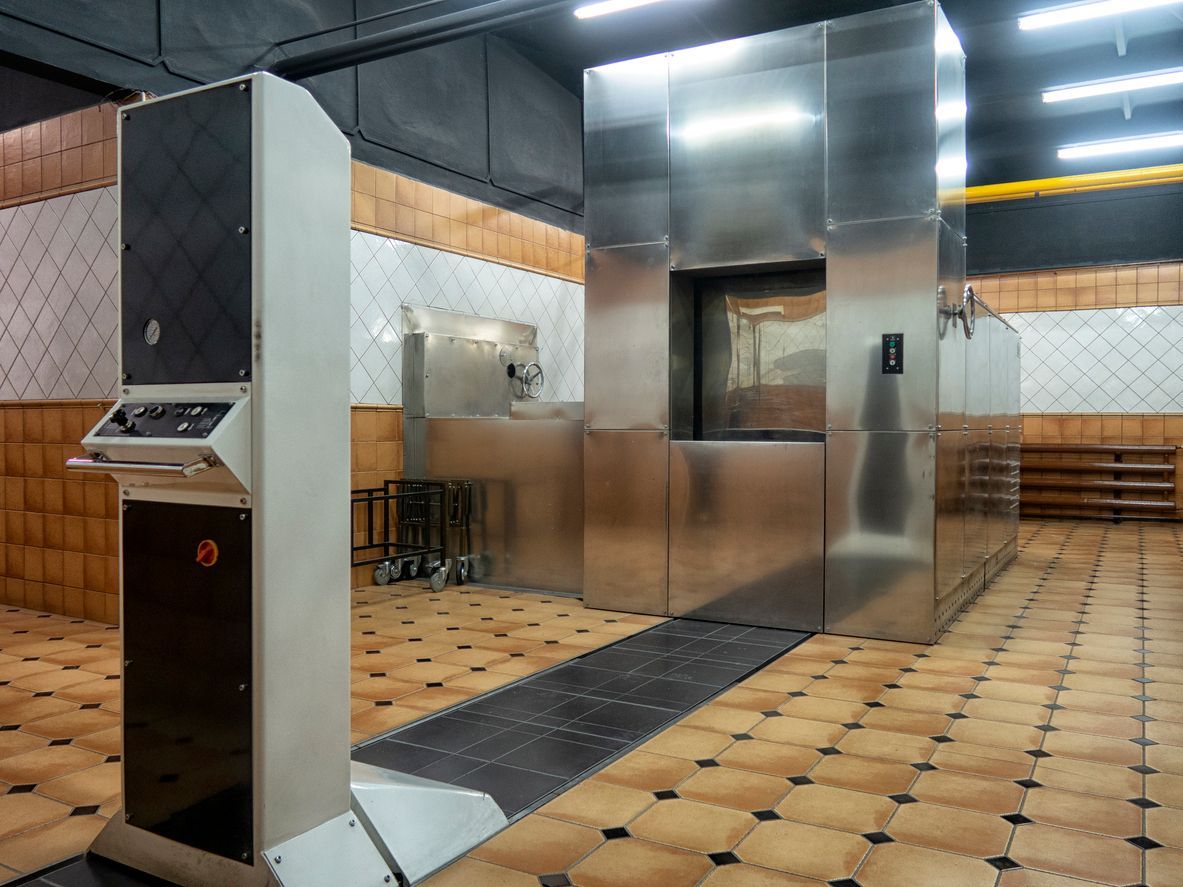
Cremation is a carefully managed process where the deceased is identified, prepared, placed in an approved cremation container or casket, and then cremated in a specialized chamber using high heat. Afterward, the remaining bone fragments are cooled, processed into cremated remains, and placed in a temporary container or urn for the family. Many families choose cremation because it is simple, flexible, and often more affordable than traditional burial. While the procedure can feel unfamiliar, every step is handled with dignity, legal oversight, and strict identification procedures to ensure peace of mind.

By Kinship Admin • June 25, 2026
When exploring end-of-life arrangements, many families ask, “What is direct cremation?” Direct cremation is a simple cremation option where the deceased is cremated without a traditional funeral service, viewing, visitation, or mourners present. The provider handles transportation, the required legal paperwork, the cremation process, and the return of the ashes to the family. Families can then hold a memorial, celebration of life, or private gathering at a later time. Often referred to as simple cremation, unattended cremation, or a cremation without a funeral service, this straightforward option gives families total flexibility. It provides an affordable and practical solution, separating the physical disposition from the memorialization. This means loved ones can honour the person in a meaningful way on a date and at a location that feels most appropriate.
Show More