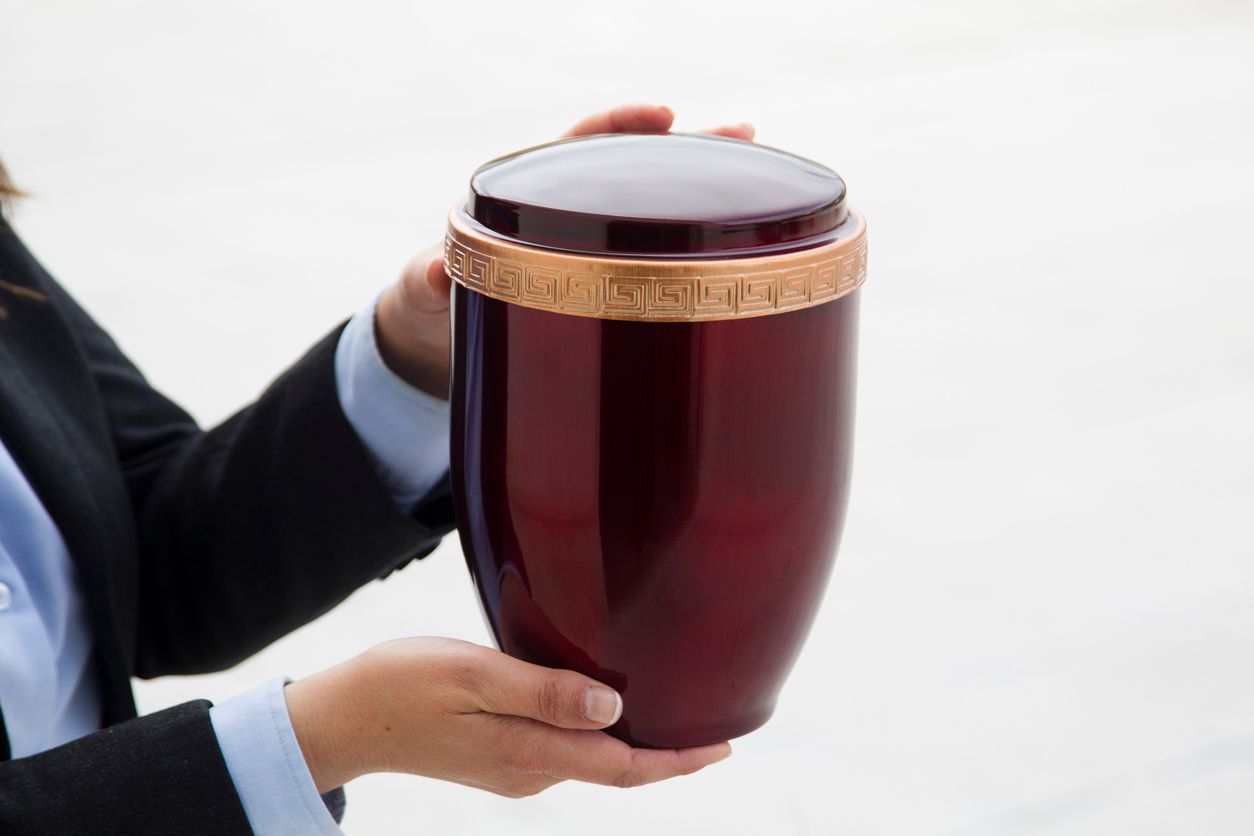
Do People Bury Cremated Ashes?

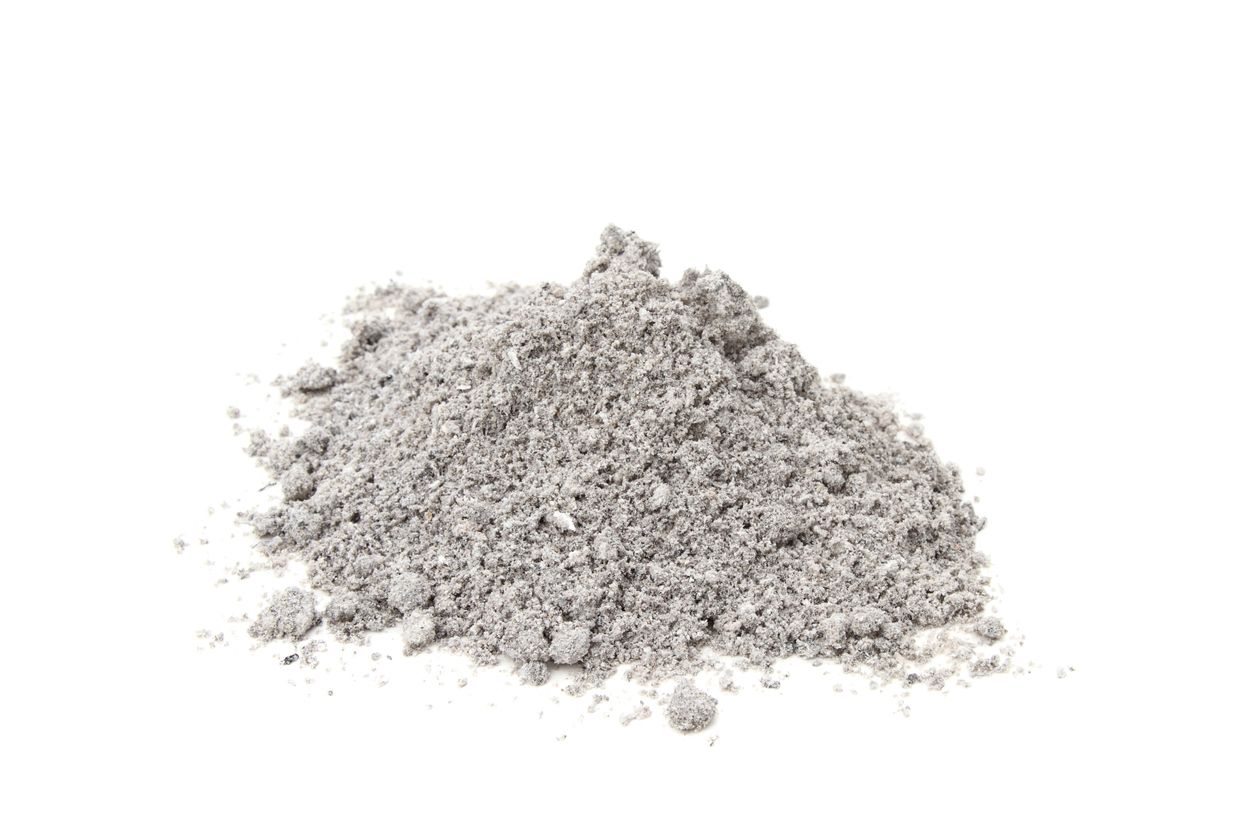
Yes, many people bury cremated ashes. Cremated remains can be interred in a cemetery plot, placed in a dedicated urn garden or buried in an existing family grave when permitted by the cemetery. Families often ask, do people bury cremated ashes? The answer is a reassuring yes, as burying ashes gives families a permanent and identifiable place to visit, remember and honour their loved one.
In Ontario, the burial of human remains, including cremated remains, is not permitted outside a licensed cemetery. This means families generally cannot bury an urn in a residential backyard or on other private land unless the property has formally been established as a licensed cemetery.
Key Takeaways
- Cremated ashes can be securely buried in a licensed cemetery, providing a permanent and protected location for family visits.
- The burial of ashes on private property in Ontario is generally not permitted unless the land is a formally licensed cemetery.
- Cemetery by-laws dictate specific requirements for urn materials, burial depth and whether an urn vault is necessary.
- Families have the flexibility to schedule an ash burial ceremony immediately or long after the cremation process.
Can Cremated Ashes Be Buried?
When clients ask, “Can cremated remains be buried?”, we confirm that cremated ashes can be buried much like a casket, though the space and container requirements are usually different. The term "interment of cremated remains" refers to placing human or cremated remains in a grave, crypt, or niche. While a columbarium niche is a recognized form of interment, it is not an underground burial.
When considering a cremation urn burial, families should contact the cemetery before purchasing an urn, vault or memorial. Requirements vary significantly between locations. First, verifying the cemetery rules for an ash or cremation burial ensures your arrangements align with local guidelines.
Why Do Families Bury Cremated Ashes?
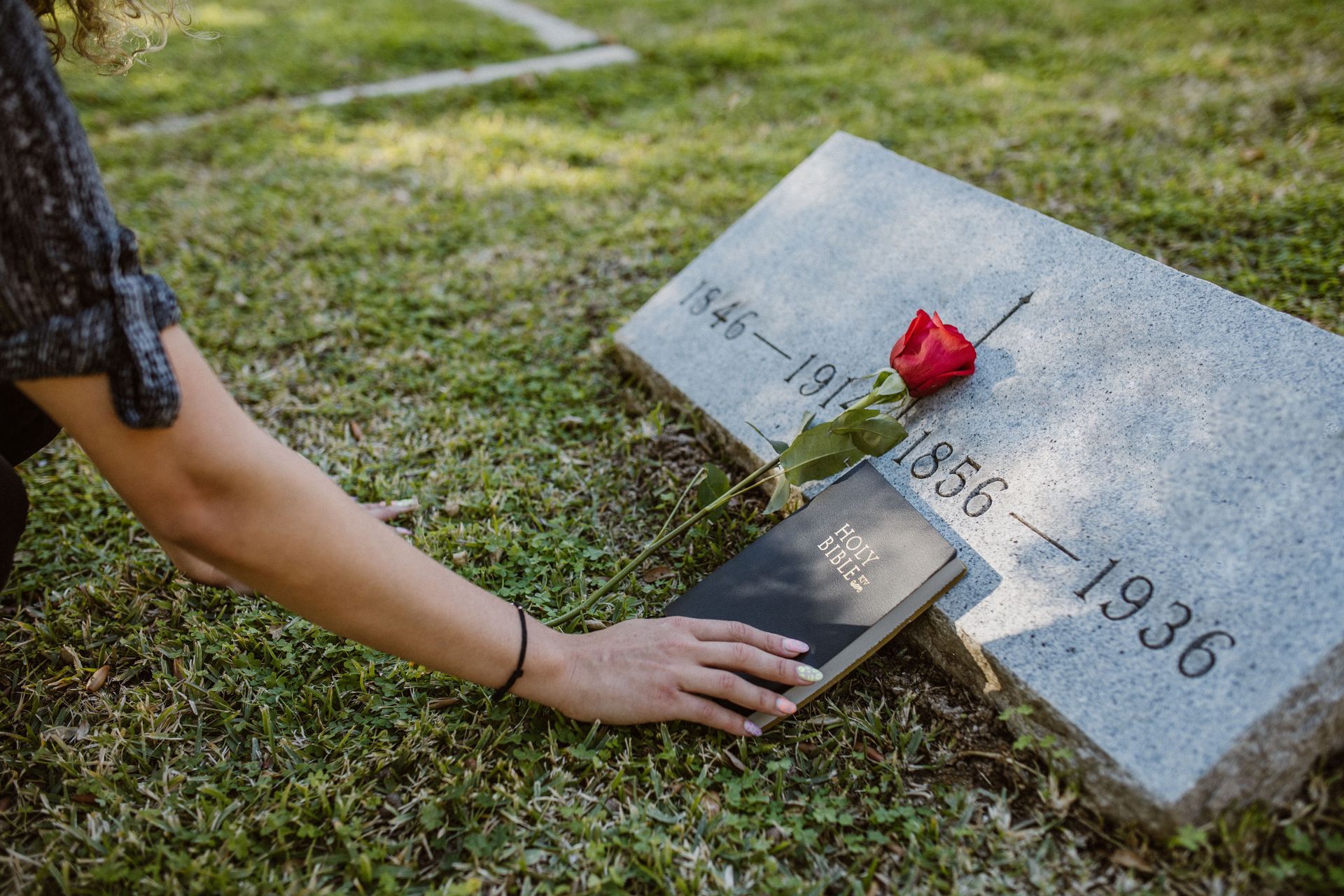
Choosing to arrange cremation services does not prevent a family from selecting a traditional cemetery resting place. A grave provides a specific location where family and friends can gather, reflect and leave flowers, offering a permanent place to visit.
Burying cremated remains also maintains a connection with other relatives. Ashes may sometimes be interred near or within the same plot as family members. For many, religious or cultural traditions favour permanent interment.
Furthermore, cemetery burial reduces the chance that an urn will be misplaced, damaged, or forgotten after a home changes hands, thereby securing long-term protection. Families may also be able to add a grave marker, plaque or inscription. Cemetery records can help future generations locate the final resting place. Ultimately, a graveside memorial service can provide a meaningful transition and offer emotional closure after the cremation.
Where Can Cremated Ashes Be Buried?
If you are wondering where ashes can be buried, the available options depend on the cemetery’s property, by-laws and available interment rights.
A Dedicated Cremation Plot
A cremation plot is a grave designed specifically for one or more urns. It generally requires less space than a traditional casket grave. The cemetery dictates the number of urns allowed, approved urn materials, marker or monument options, opening and closing requirements and whether an urn vault or outer container is needed.
An Existing Family Grave
Some cemeteries allow an urn to be added to a grave that already contains a casket or another urn. This depends on available space, cemetery by-laws, the original interment agreement, permission from the current interment rights holder and opening and closing requirements. Not every existing grave can accommodate another urn.
An Urn Garden
An urn garden is a cemetery area designed specifically for cremated remains. It may include smaller plots, thoughtful landscaping, shared monuments or individual markers.
A Green or Natural Burial Section
Some cemeteries may allow cremated remains to be buried in biodegradable urns within a designated natural burial area. You should confirm whether the cemetery accepts cremation ashes in its green burial section and whether a vault is prohibited or optional.
Can You Bury Cremated Ashes on Private Property in Ontario?
Can ashes be buried on private property in Ontario? No, families generally cannot bury human cremated remains in a backyard, garden, cottage property or other private land in Ontario unless that land has been formally established and licensed as a cemetery.
Burial and scattering are legally different practices. Burial involves placing the remains underground. Human and cremated human remains must be buried in a licensed cemetery. On the other hand, scattering ashes involves dispersing the remains without creating a burial site. Scattering may be permitted on private property with the landowner’s consent and in certain other locations, subject to local rules. Always check current provincial, municipal and cemetery requirements before making arrangements.
How to Bury Cremated Ashes in a Cemetery
Understanding how to bury cremated ashes helps families navigate cemetery procedures smoothly. While the exact process varies by cemetery, most cremation burial options follow several basic steps.
Confirm the Deceased’s Wishes
Review any will, pre-arrangement, cemetery contract or written instructions. Where no written wishes exist, discuss the decision with close family members and the person legally authorized to make arrangements.
Contact a Licensed Cemetery
Ask about available cremation plots, urn gardens, existing family graves and any relevant religious or cultural sections.
Review the Cemetery’s By-Laws and Price List
Check who holds the interment rights and how many urns may be placed in the selected grave. Determine what urn materials are accepted, whether an urn vault is required, permitted monuments and markers, opening and closing fees, administrative or documentation fees and rules for graveside ceremonies.
Select an Appropriate Urn
Choose an urn that meets the cemetery’s size and material requirements. Wait to purchase an urn until you have confirmed the cemetery rules.
Arrange the Interment Date
Coordinate the burial date with the cemetery operator and any family members, funeral professionals, religious leaders or celebrants who will attend.
Plan the Graveside Ceremony
The family may hold a formal service, a small private gathering or a brief moment of remembrance.
Keep the Burial Records
Retain the cemetery contract, interment rights certificate, cremation certificate and the grave or plot location in a secure family file.
Do You Need an Urn or Urn Vault to Bury Ashes?
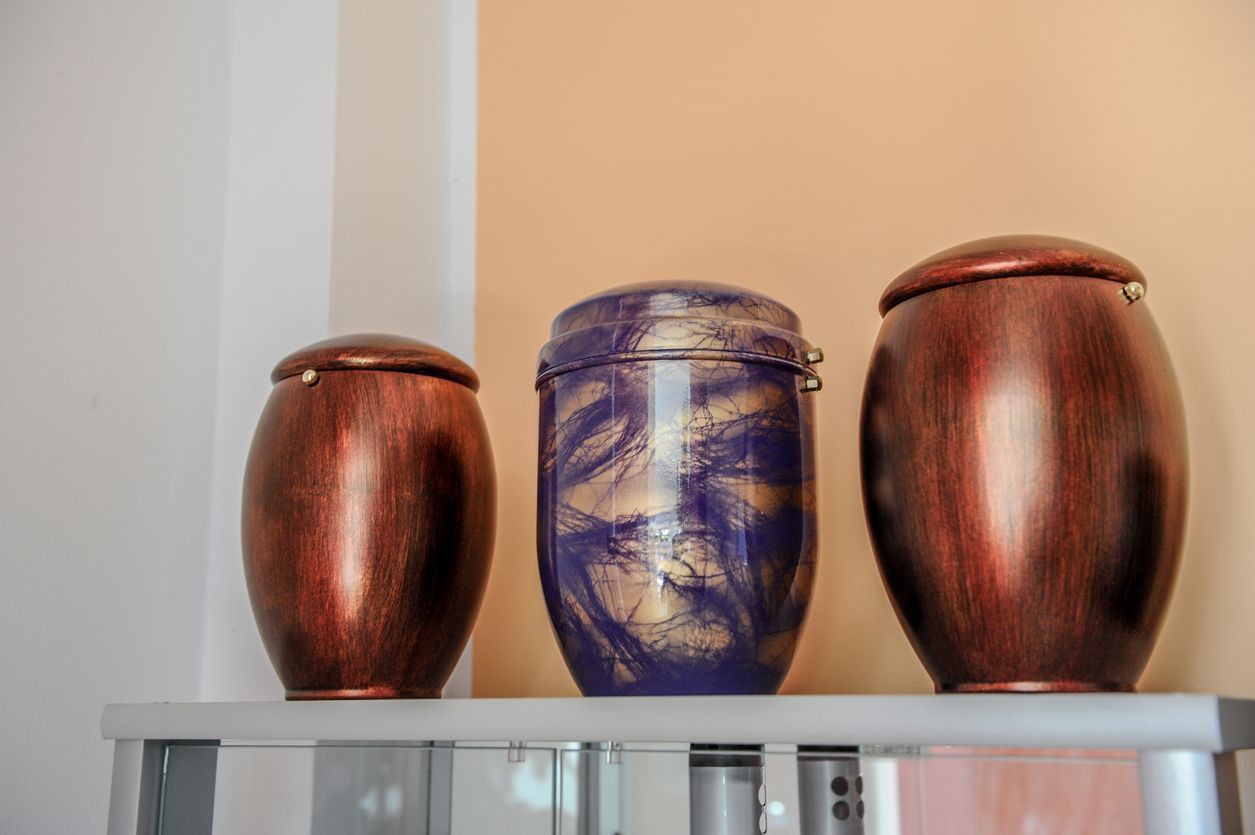
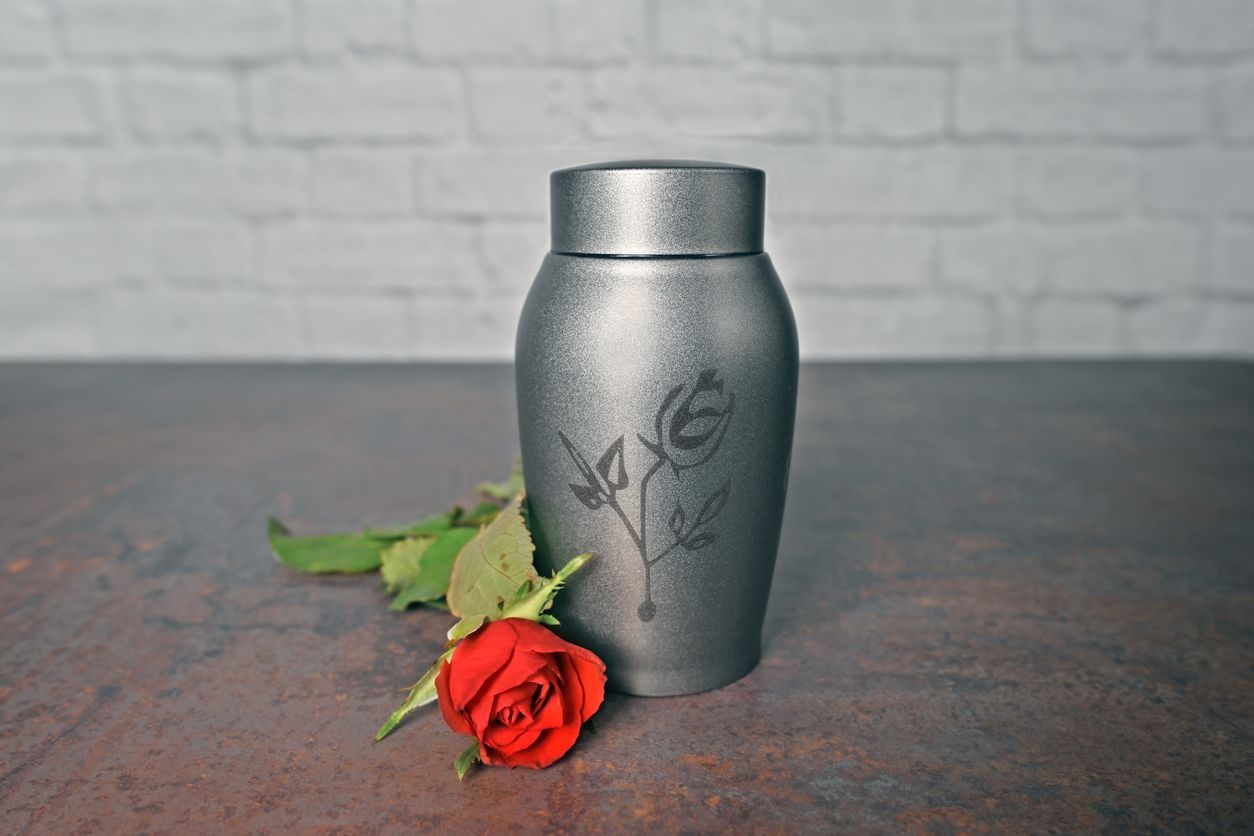
Do you need an urn to bury ashes? Cremated remains are typically placed in a cremation urn or another secure container before burial, though specific requirements vary by cemetery.
Some cemeteries accept biodegradable, wooden, metal, stone, ceramic or composite urns. Certain cemeteries may recommend or require an urn vault in specific areas. A vault protects the urn and may help support the surrounding soil.
Ontario law does not make an urn vault universally mandatory. However, cemetery by-laws may contain location-specific requirements based on soil, water tables, grading or burial depth. Families should ask whether there is a section where a vault is not required. The Bereavement Authority of Ontario explains that vaults cannot be made mandatory in every situation, although cemetery by-laws may require them in specific sections for safety reasons.
How Deep Are Cremated Ashes Buried?
Families often ask, "How deep are cremated ashes buried?" Ontario does not have one province-wide statutory burial depth for cremated remains.
Burial depth depends on cemetery by-laws, the type and size of urn, whether an urn vault is used, the number of interments in the grave, soil and drainage conditions, the cemetery section and future interment plans.
Families should follow the cemetery operator’s instructions rather than relying on a general measurement found online. The Bereavement Authority of Ontario confirms that the Funeral, Burial and Cremation Services Act, 2002 does not establish a required depth for cremated-remains interment. Cemetery operators address depth in their own by-laws.
Can Ashes Be Buried in an Existing Grave?
Can ashes be buried in an existing grave? An urn may sometimes be buried in a grave already containing a casket or another urn.
Approval depends on cemetery capacity rules, available space in the grave, the number and depth of previous interments and cemetery by-laws. You will need permission from the interment rights holder and should review the family’s existing cemetery contract. Additional opening and closing charges usually apply.
Owning interment rights is not the same as owning the cemetery land. Interment rights give the holder the right to place human or cremated human remains in a grave, crypt or niche. Ontario cemetery operators sell interment rights rather than the cemetery land itself. Contact the cemetery directly and provide the grave location and interment-rights information to learn more.
How Long After Cremation Can Ashes Be Buried?
Families do not normally have to bury the ashes immediately after cremation.
You may choose to wait until relatives can travel, until the weather improves, until a cemetery plot is selected, or until a meaningful anniversary occurs. Families might also pause while planning a graveside service, until another family member can be interred in the same location or until financial arrangements are finalized.
The urn should be stored securely and kept dry while the family makes its decision. Avoid rushing the process unless a particular cemetery contract or provider policy dictates a specific timeline.
How Much Does It Cost to Bury Cremated Ashes?
How much does it cost to bury ashes? Costs vary significantly between cemeteries and should not be presented as one fixed Ontario-wide amount.
Potential expenses include interment rights for a cremation grave or urn garden, opening and closing the grave, cemetery administration and consumer protection or regulatory fees. You will also factor in the cremation urn, an urn vault when selected or required, a grave marker, plaque or inscription and the installation of the marker. Further costs may involve graveside service support, religious or celebrant fees, flowers or memorial materials.
Request the cemetery price list before signing a contract. Licensed Ontario providers must provide their price lists before a contract is finalized.
How Can Families Plan an Ash Burial Ceremony?
An ash burial ceremony may be formal, religious, secular or completely private.
A ceremony typically includes a welcome or opening statement, followed by a prayer, a poem, or a meaningful reading. Families often incorporate music selected by the deceased or family. Relatives can spend time sharing memories, displaying photographs, placing flowers near the grave or adding handwritten notes.
A moment of silence, followed by lowering or placing the urn and a final blessing or farewell, brings the service to a close. Families may then gather afterward for refreshments or remembrance.
The family may hold the ceremony soon after cremation or much later. Always confirm cemetery rules regarding attendance, decorations, music, flowers and the permitted length of the ceremony.
Finding Comfort and Clarity in Final Resting Decisions
Many people bury cremated ashes because burial provides a permanent, protected and identifiable place of remembrance. Navigating an urn burial in a cemetery involves planning, but knowing your options brings peace of mind. Ontario families should arrange burial through a licensed cemetery and review the cemetery’s by-laws before purchasing an urn, vault, plot or marker.
Your final decisions should honour the deceased’s known wishes while considering family traditions, religious or cultural beliefs, accessibility for relatives, budget and long-term maintenance. Whether multiple family members may eventually share the plot is also an important factor to weigh. At Sensible Choice, we provide dignified cremation and aftercare guidance to ensure you feel supported during every step of the journey.
If you need help understanding cremation arrangements, urn options or aftercare considerations, please contact Sensible Choice.
Have you considered whether a dedicated cremation plot or a shared family grave better aligns with your family's traditions?
Recent Posts
A Sensible Approach