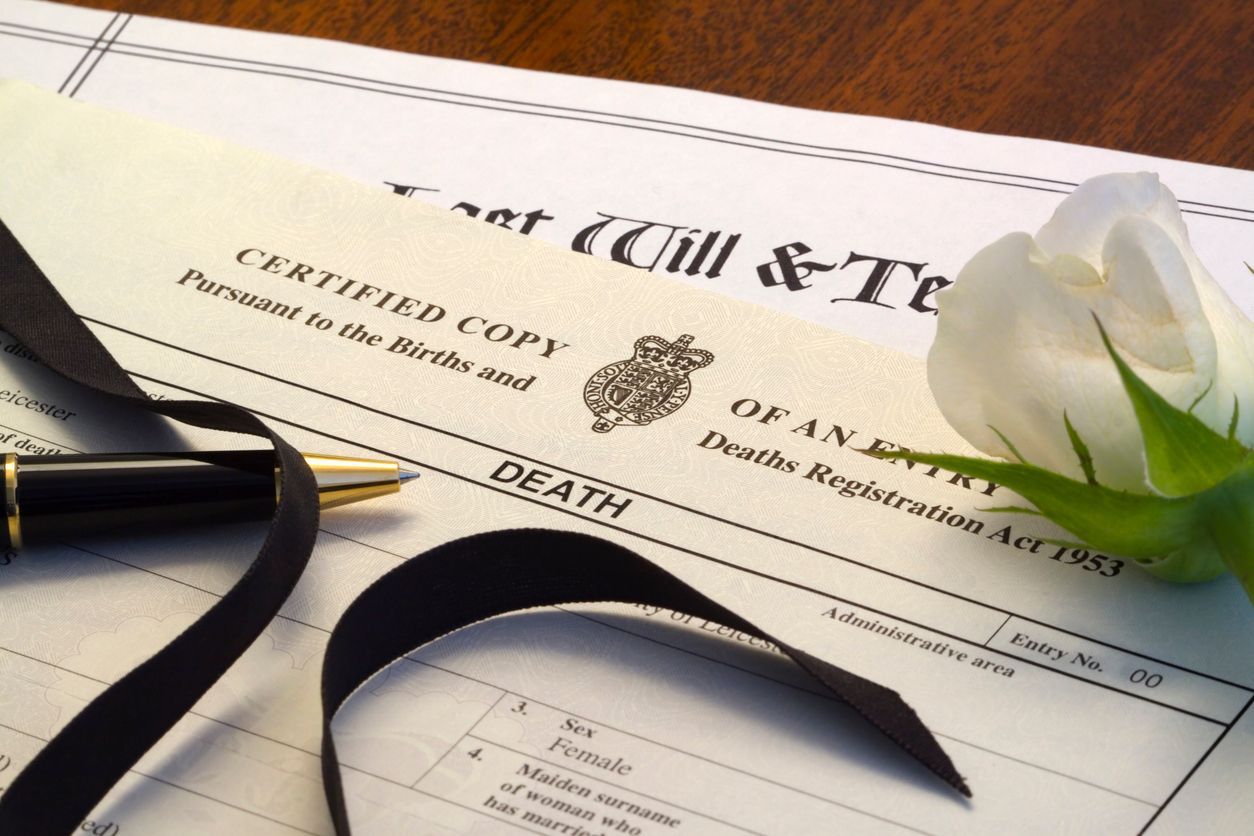
Do Cremated Ashes Decompose?

September 8, 2026

Share this article

funeral director and elderly couple going over processes

When a family faces the decision of what to do with a loved one's remains, a common question arises regarding long-term stability and what to expect over time. The straightforward answer is no: cremated ashes do not decompose biologically in the same way that a body, plant material, or other organic matter does. Cremated remains are primarily bone minerals and can remain stable when stored in a dry, secure container. While the remains themselves do not rot or expire like organic material, their appearance, texture, or mineral condition can be affected by moisture, humidity, soil, water exposure, and the condition of the urn or inner container. Finding out if cremated ashes decompose brings peace of mind to families who need extra time to plan a fitting memorial.

Key Takeaways

  • Cremated remains consist of inorganic bone minerals that do not biologically decay, giving families flexibility in memorial planning.
  • Moisture and environmental factors can cause physical changes like clumping, but this is a structural change, not decomposition.
  • Properly sealed and stored remains can last for decades without significant alteration to their mineral state.
  • The durability of the storage container plays the most vital role in protecting the ashes over time.
  • Families can take their time deciding on final arrangements, whether in Toronto or elsewhere, without worrying about the remains expiring.

What Are Cremated Ashes Made Of?

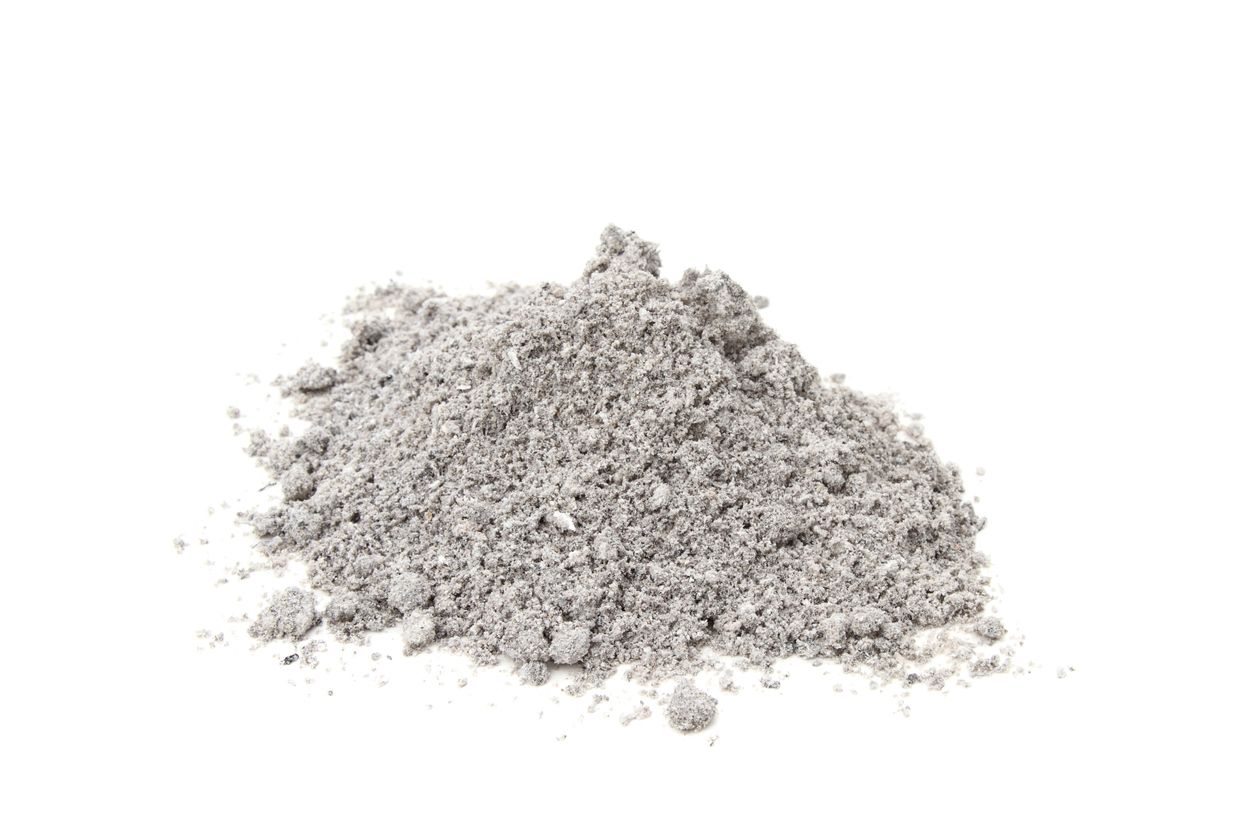
Although the term "ashes" is commonly used in everyday conversation, the material returned to the family is more accurately described as cremated remains or cremains. Understanding their exact composition helps clarify why families ask, Do human ashes decompose?

During cremation, intense heat removes the body’s moisture and combustible organic material. The remaining bone fragments are then cooled and carefully processed into a coarse, granular consistency.

To provide a clearer picture, cremated remains primarily contain:

  • Calcium phosphates
  • Calcium compounds
  • Other stable bone minerals
  • Small amounts of trace minerals


These cremains are distinctly different from wood ash or fireplace soot. This specific mineral composition explains why they do not rot, spoil, or undergo normal biological decomposition, offering a sense of stability for families as they navigate their options.

Why Don’t Cremated Ashes Decompose?

To understand the enduring nature of cremains, it helps to distinguish between organic decomposition and physical or chemical change. People planning for the future often wonder, Do cremated remains decompose? or Do ashes expire? The answer lies in the absence of organic matter.

Organic decomposition occurs when microorganisms break down tissues and other living materials. Because most organic tissue has already been removed during cremation, what remains is primarily inorganic bone mineral. Microorganisms cannot break this material down in the same way they process organic tissue.

Consider this clear distinction:

  • Decomposition: Biological decay caused by bacteria, fungi, and other living organisms.
  • Physical or chemical change: Shifting physical states, such as clumping, compacting, scattering, mixing with soil, mineral alteration, or reacting to moisture.


When buried or scattered, cremated remains may gradually interact with their surroundings. However, this process should not be described as the ashes rotting or expiring. It is important to note that environmental conditions will still influence their physical state over the years.

What Happens to Cremated Ashes After 10, 20 or 50 Years?

Families making long-term memorial arrangements frequently ask, What happens to cremated ashes over time? When properly protected, cremated remains can stay physically recognizable for many decades, though there is no universal timeline for change.

What Matters More Than the Exact Year

The passage of time is far less important than the conditions surrounding the container. Variables such as moisture exposure, the durability of the urn and inner bag, temperature fluctuations, handling, and the overall storage environment matter much more than whether 10, 20, or 50 years have passed. Knowing how long cremated ashes last depends almost entirely on these external factors.

When Ashes Are Kept Dry and Secure

When ashes are stored in a sealed inner bag and placed within a secure urn, they show little noticeable change over many years. If any deterioration occurs over the decades, it is typically more likely to affect the outer container itself rather than the mineral remains inside.

When the Container or Environment Changes

Wood, cardboard, fabric, and specifically designed biodegradable containers will deteriorate at varying rates depending on their surroundings. Exposure to moisture, soil, and water can cause clumping, mineral changes, or dispersal of the cremains. Ultimately, cremated remains have no standard expiration date, allowing families the flexibility to make choices at a pace that feels right to them.

Can Cremated Ashes Change Over Time?

While it is clear that they do not biologically decay, families still naturally want to know: Do cremated ashes deteriorate? The remains may experience physical or chemical changes when exposed to different elements, even without biological decomposition.

The most common changes include:

  • Clumping: Humidity or direct water exposure may cause the particles to stick together.
  • Hardening: Wet ashes may dry into firmer clusters or compacted solid material.
  • Compaction: Movement, vibration, or long-term storage may cause the remains to settle tightly inside the urn.
  • Colour variation: Ashes naturally range from white to grey. Slight colour variations over time do not necessarily indicate damage.
  • Odour: Families occasionally ask, Can cremated ashes grow mould? A musty or unusual odour around the container is more likely to come from moisture, mould, or deterioration affecting the urn, bag, or surrounding organic material than from the cremated bone minerals themselves.
  • Container damage: Cardboard, untreated wood, fabric, and some biodegradable materials may deteriorate before the ashes change significantly.


It is vital to remember that clumping or hardening simply represents a physical reaction to moisture, not biological decay.

How Long Do Cremated Ashes Last in an Urn?

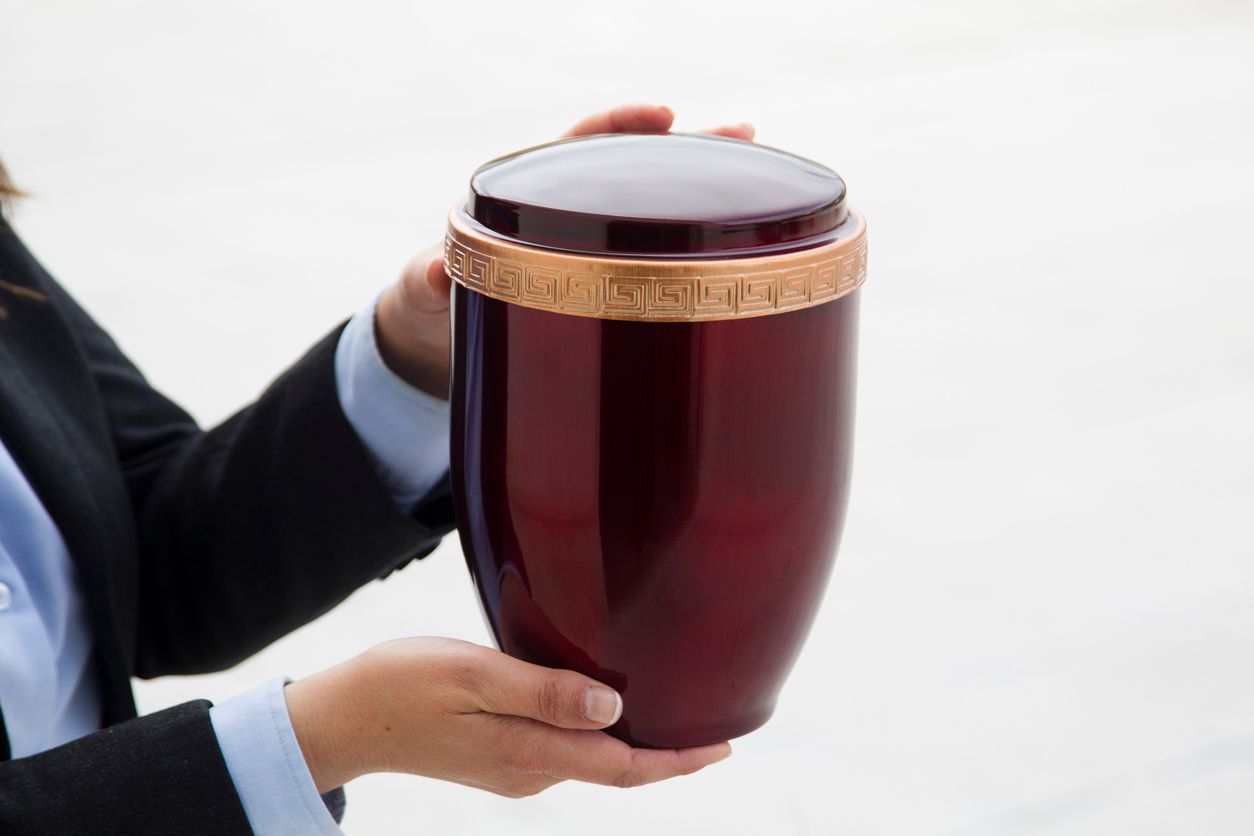
When deciding on a final resting place, understanding what happens to ashes in an urn is an important step in the planning process. Cremated remains can generally be kept in an urn for many decades when the urn is protected from moisture and stored in a secure, durable container. Knowing how long ashes can be kept in an urn comes down to the quality of the container, the inner packaging, and the storage environment.

A temporary cardboard container is intended primarily for short-term handling and safe transportation. A durable urn provides much better long-term protection. Many quality urns contain a sealed plastic inner bag that protects the remains from moisture. This closure should always be checked before moving or transporting the urn. Because the cremains are stable, families do not have to make an immediate decision about burial or scattering. You can ask a cremation provider for help transferring the ashes if the current container appears damaged.

How Should Cremated Ashes Be Stored?

Learning how to store cremated ashes properly protects both the remains and their chosen container. A thoughtful approach to cremated remains storage ensures peace of mind for the family and preserves the integrity of the memorial piece.

For successful long-term storage of ashes, consider the following practical recommendations:

  • Seal the bag: Keep the ashes securely inside a sealed and clearly labelled inner bag.
  • Choose a secure outer vessel: Place the inner bag safely inside a secure urn or durable container.
  • Monitor the climate: Store the urn in a dry, temperature-stable area of the home.
  • Avoid damp areas: Basements, garages, sheds, and other areas vulnerable to flooding.
  • Protect from elements: Keep the urn away from direct sunlight if its exterior material may fade or warp.
  • Ensure stability: Place the container on a stable surface where it is unlikely to fall.
  • Limit exposure: Avoid repeatedly opening the inner bag.
  • Inspect periodically: Check wooden, ceramic, biodegradable, or temporary containers periodically for damage.
  • Organize paperwork: Keep official cremation documentation with the urn or in a secure family file.
  • Communicate: Tell a trusted family member exactly where the ashes and documents are stored.


Families may choose to keep ashes at home while taking their time to consider their long-term memorial options, feeling confident that the remains are safe.

Guiding Families Through Long-Term Memorial Decisions

Ultimately, cremated ashes do not biologically decompose or expire like organic material. They can remain stable for decades when protected from moisture and stored in a durable container. When considering what happens when cremated ashes are buried, or whether they dissolve in water, it helps to know that the remains may disperse or undergo physical and chemical changes, but they do not rot like organic matter.

We encourage families to take the time they need when deciding whether to keep, divide, inter, or scatter the remains. Providing this clarity is part of Sensible Choice Cremation's commitment, where we focus on delivering dignified cremation services, securely returning the ashes, and offering compassionate aftercare guidance to families navigating these difficult transitions.

If you have questions about storing, handling, or making arrangements for cremated remains, please contact Sensible Choice Cremation for dedicated support and guidance.

Recent Posts

A Sensible Approach

By Kinship Admin September 1, 2026
Many Ontario funeral homes publish obituary listings directly on their websites for public access. This article serves as a practical guide to help you search obituaries efficiently across the province of Ontario. Specifically, we focus on how to locate service details and search obituary listings through Sensible Choice Cremation & Funeral Services, ensuring you can find memorial information and offer support to grieving families.
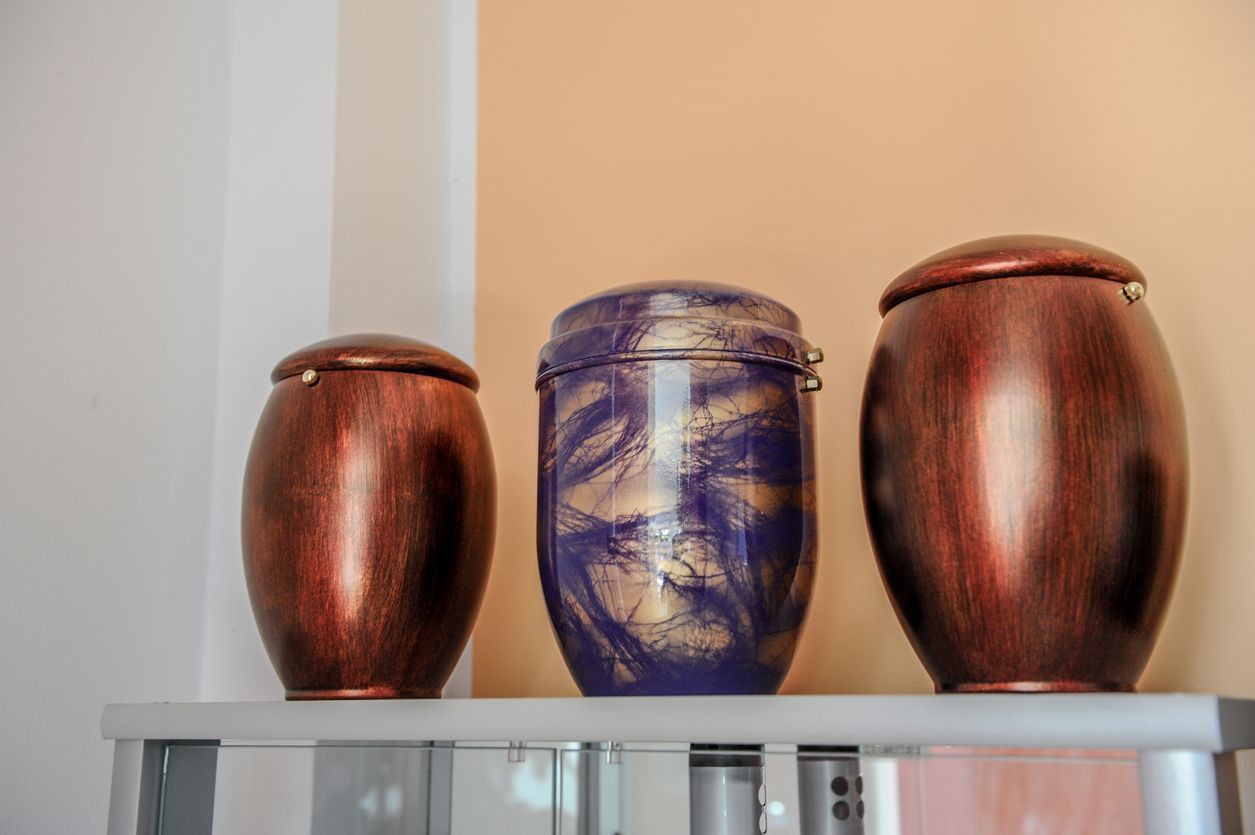
By Kinship Admin August 25, 2026
Can cremated ashes be divided? Yes. Learn about the legal and practical steps for separating remains to create respectful, personal memorials for your loved ones.
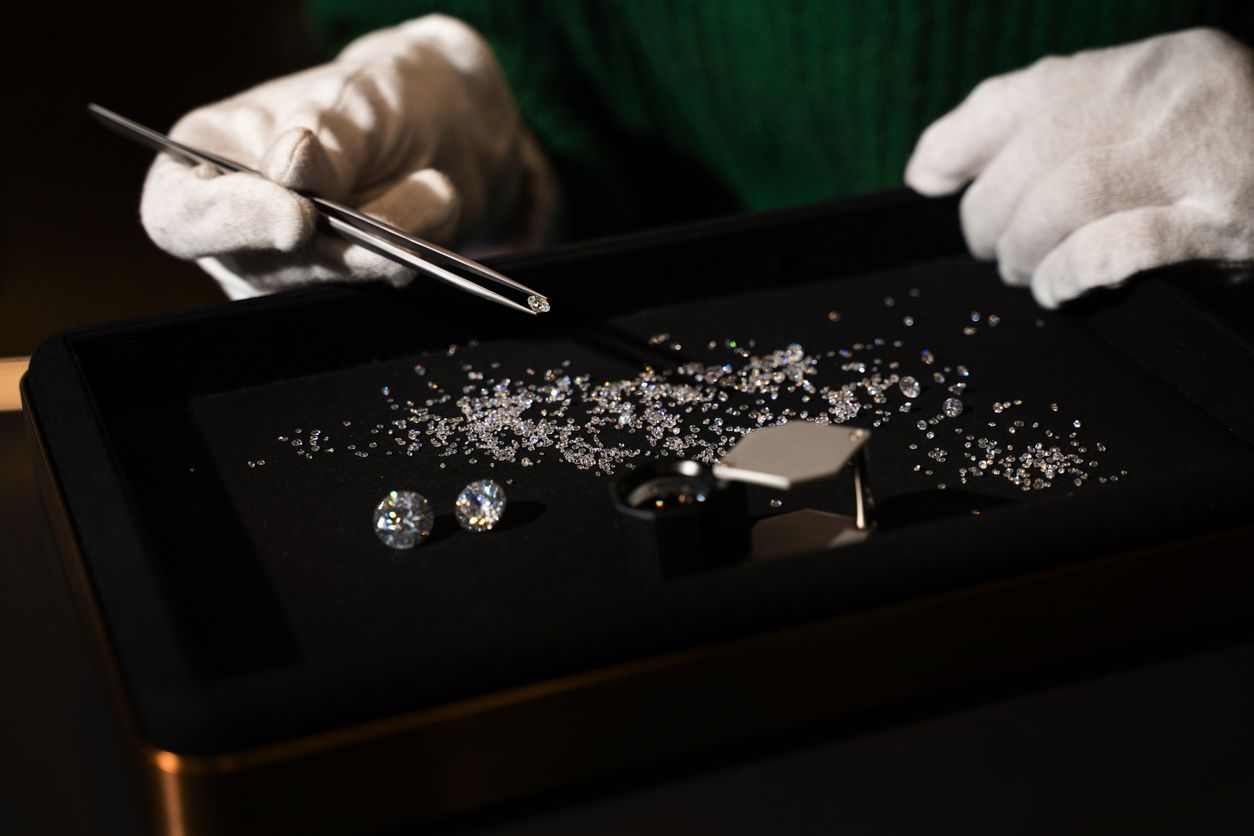
Gemologist holds a small diamond with tweezers for precise inspection and sorting
By Kinship Admin August 18, 2026
Thinking of turning cremated ashes into diamonds? Learn about the process, how to verify provider claims, and key considerations for Canadian families.

By Kinship Admin August 11, 2026
Wondering if you can spread ashes in the ocean in Canada? Learn about the legal requirements, planning steps, and environmental best practices for a meaningful water memorial.

By Kinship Admin July 30, 2026
Can you travel internationally with ashes? Yes, you can. Bringing a loved one to their final resting place across borders is a meaningful step. It is possible provided you follow the specific guidelines set by airport authorities, airlines, and your destination country. Navigating international travel with ashes requires careful preparation. You must verify CATSA (Canadian Air Transport Security Authority) screening requirements, airline baggage policies, and the entry rules of any connecting countries. Approval is never guaranteed simply by arriving at the departure gate. Planning ahead is the best way to ensure a smooth journey out of Toronto or any other Canadian departure city.

By Kinship Admin July 2, 2026
Cremation is a carefully managed process where the deceased is identified, prepared, placed in an approved cremation container or casket, and then cremated in a specialized chamber using high heat. Afterward, the remaining bone fragments are cooled, processed into cremated remains, and placed in a temporary container or urn for the family. Many families choose cremation because it is simple, flexible, and often more affordable than traditional burial. While the procedure can feel unfamiliar, every step is handled with dignity, legal oversight, and strict identification procedures to ensure peace of mind.
By Kinship Admin June 25, 2026
When exploring end-of-life arrangements, many families ask, “What is direct cremation?” Direct cremation is a simple cremation option where the deceased is cremated without a traditional funeral service, viewing, visitation, or mourners present. The provider handles transportation, the required legal paperwork, the cremation process, and the return of the ashes to the family. Families can then hold a memorial, celebration of life, or private gathering at a later time. Often referred to as simple cremation, unattended cremation, or a cremation without a funeral service, this straightforward option gives families total flexibility. It provides an affordable and practical solution, separating the physical disposition from the memorialization. This means loved ones can honour the person in a meaningful way on a date and at a location that feels most appropriate.
By Kinship Admin June 24, 2026
No, a cremation certificate is not the same as a death certificate. A death certificate is an official legal record that confirms a person has died, while a cremation certificate confirms that the cremation has been completed. Families navigating the loss of a loved one often hear both terms during the arrangement process. This overlap can easily create confusion. Each document serves a distinct purpose and will be needed at different stages of managing an estate and finalizing arrangements.
By Kinship Admin June 10, 2026
Yes, you can often send cremated ashes through the mail, but they must be packaged securely and shipped in accordance with the postal service's rules and the destination country's regulations. Families should never place ashes in a regular envelope or standard parcel without first checking the mailing requirements. Because rules differ in Canada, the United States, and international destinations, families should confirm all specific requirements before mailing cremated remains. Whether you are sending them to a loved one in Toronto, across the province, or overseas, understanding the exact protocols ensures a safe and respectful journey.
elderly couple meeting with a woman at a laptop
By Kinship Admin May 14, 2026
Find out if social services pay for cremation in Canada. This guide covers eligibility for low-income assistance , what essential costs are included , and how to apply for provincial funeral benefits to ensure a dignified farewell.
urn arrangement setup at a table
By Kinship Admin May 12, 2026
Learn what to expect at a cremation service , from ceremony steps and proper etiquette to attire and duration. This guide helps first-time attendees participate meaningfully while focusing on honouring the memory of their loved one.
Close up of an airplane
By Kinship Admin May 10, 2026
Understand the legal requirements for transporting cremated remains in Canada. While a permit is typically not required for domestic travel , this guide covers essential documentation , airline X-ray rules for urn containers , and the specific permits needed for international transport.
Show More