A Sensible Approach
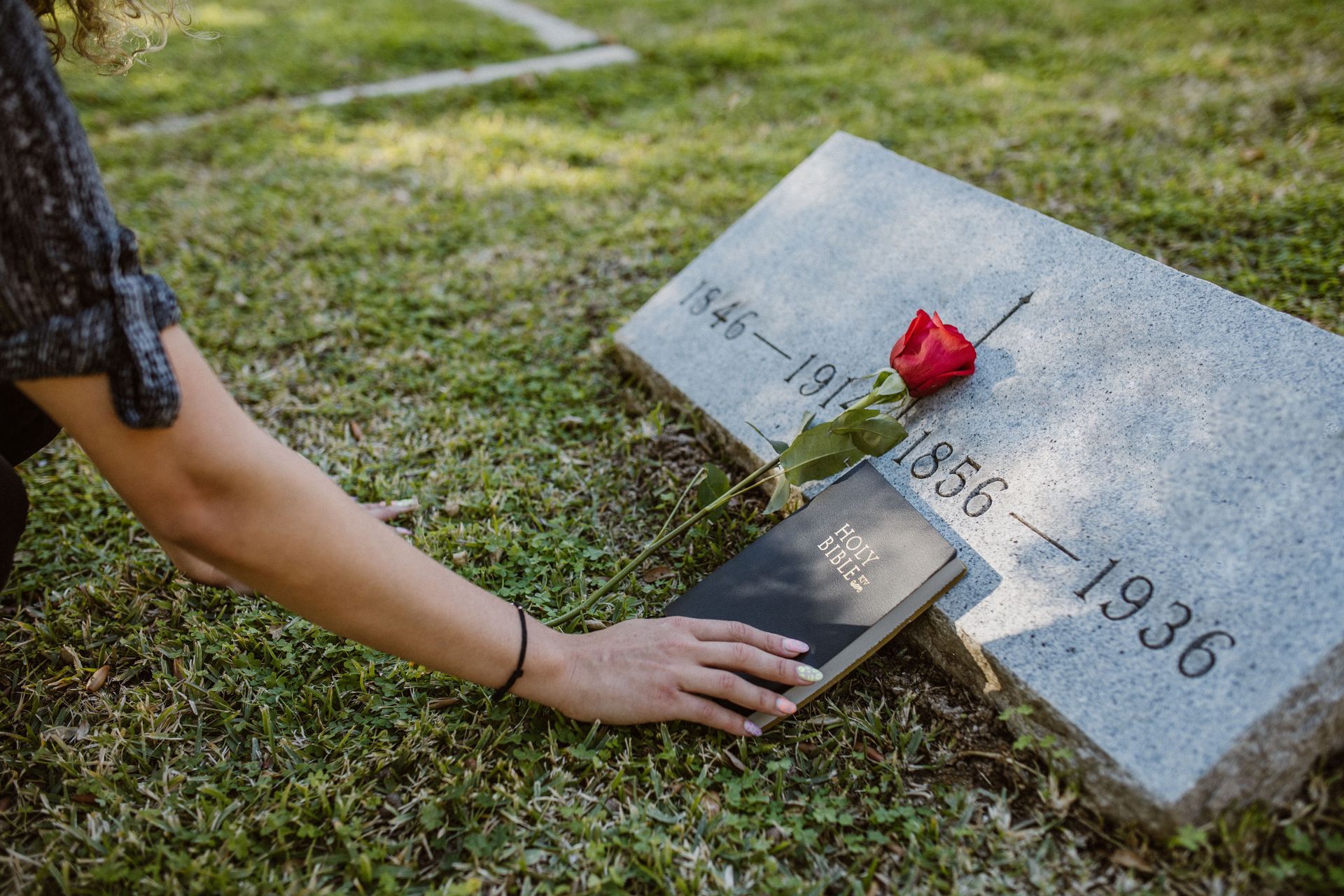
Yes, many people bury cremated ashes. Cremated remains can be interred in a cemetery plot, placed in a dedicated urn garden or buried in an existing family grave when permitted by the cemetery. Families often ask, do people bury cremated ashes? The answer is a reassuring yes, as burying ashes gives families a permanent and identifiable place to visit, remember and honour their loved one. In Ontario, the burial of human remains, including cremated remains, is not permitted outside a licensed cemetery. This means families generally cannot bury an urn in a residential backyard or on other private land unless the property has formally been established as a licensed cemetery.
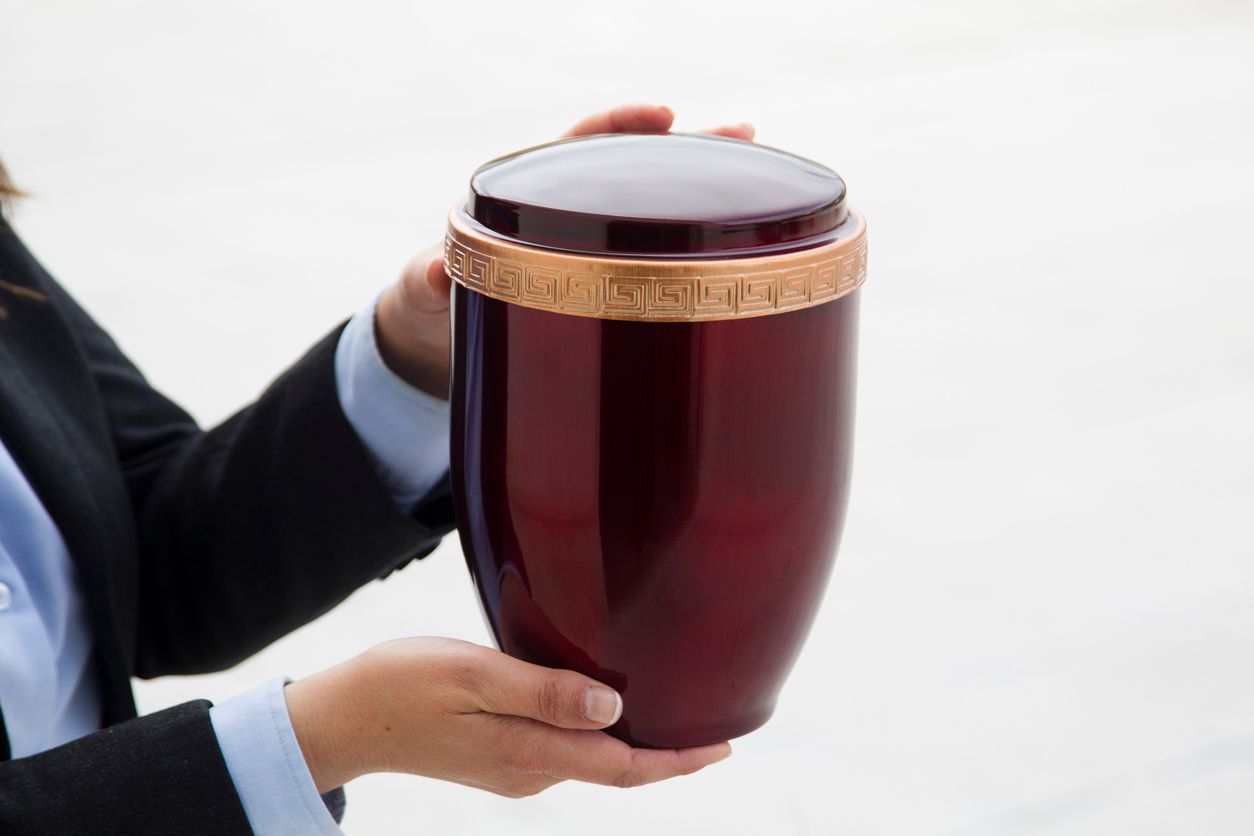
One of the most common questions families ask after a cremation is: how heavy are ashes after cremation? Whether you are choosing an urn, planning a memorial, arranging transportation, or simply trying to understand what to expect, knowing the typical weight of cremated remains can help you make informed decisions during an already difficult time. In most cases, adult cremated remains weigh between 1.5 and 3 kilograms (approximately 3 to 7 pounds), with many adults falling closer to the 2 to 2.5 kilogram range. However, several factors can influence the final weight. Understanding those factors can make selecting an urn, transporting remains, and planning memorial options much easier.

Choosing a cremation service in Ontario? Discover how to verify BAO licensing, compare transparent pricing, and ensure compassionate care for your loved one.
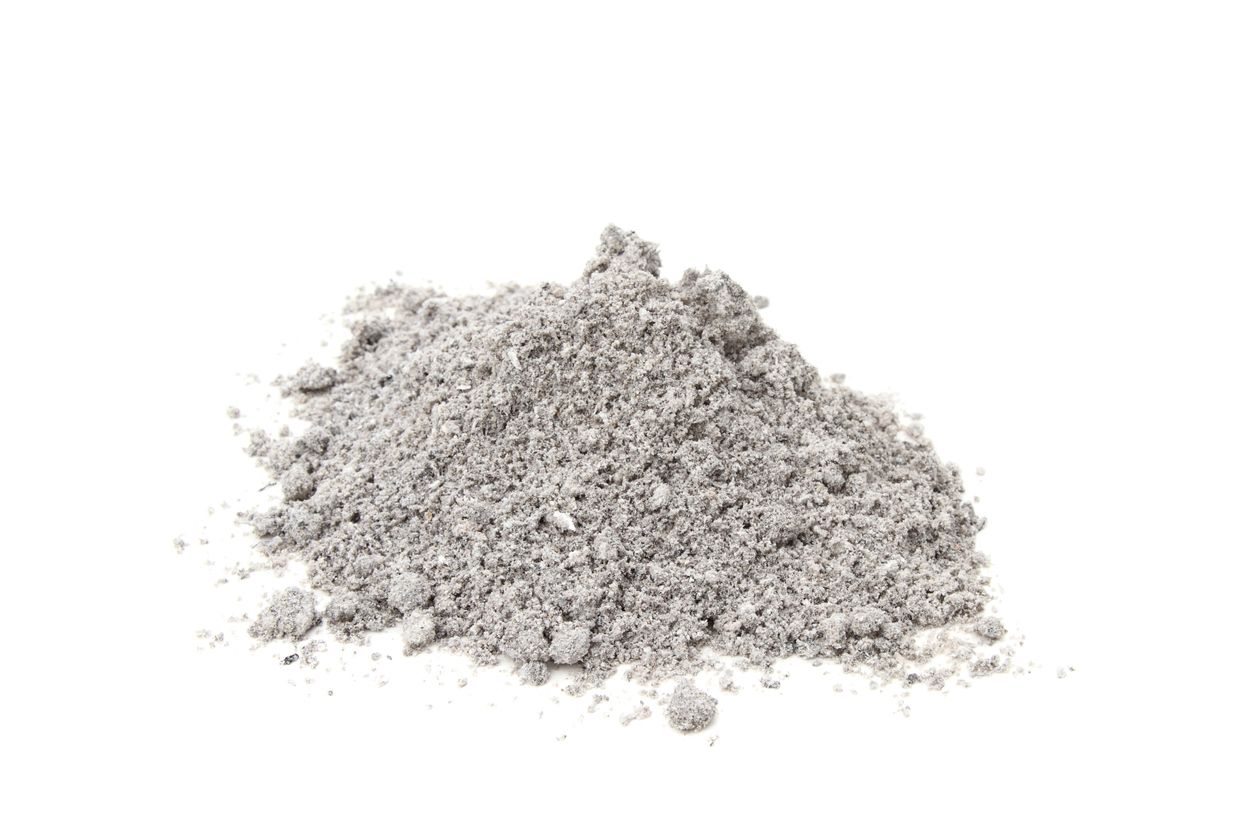
Do cremated ashes decompose? Learn why they don't biologically decay, how to store them properly, and how environmental factors impact cremated remains over time.
Many Ontario funeral homes publish obituary listings directly on their websites for public access. This article serves as a practical guide to help you search obituaries efficiently across the province of Ontario. Specifically, we focus on how to locate service details and search obituary listings through Sensible Choice Cremation & Funeral Services, ensuring you can find memorial information and offer support to grieving families.
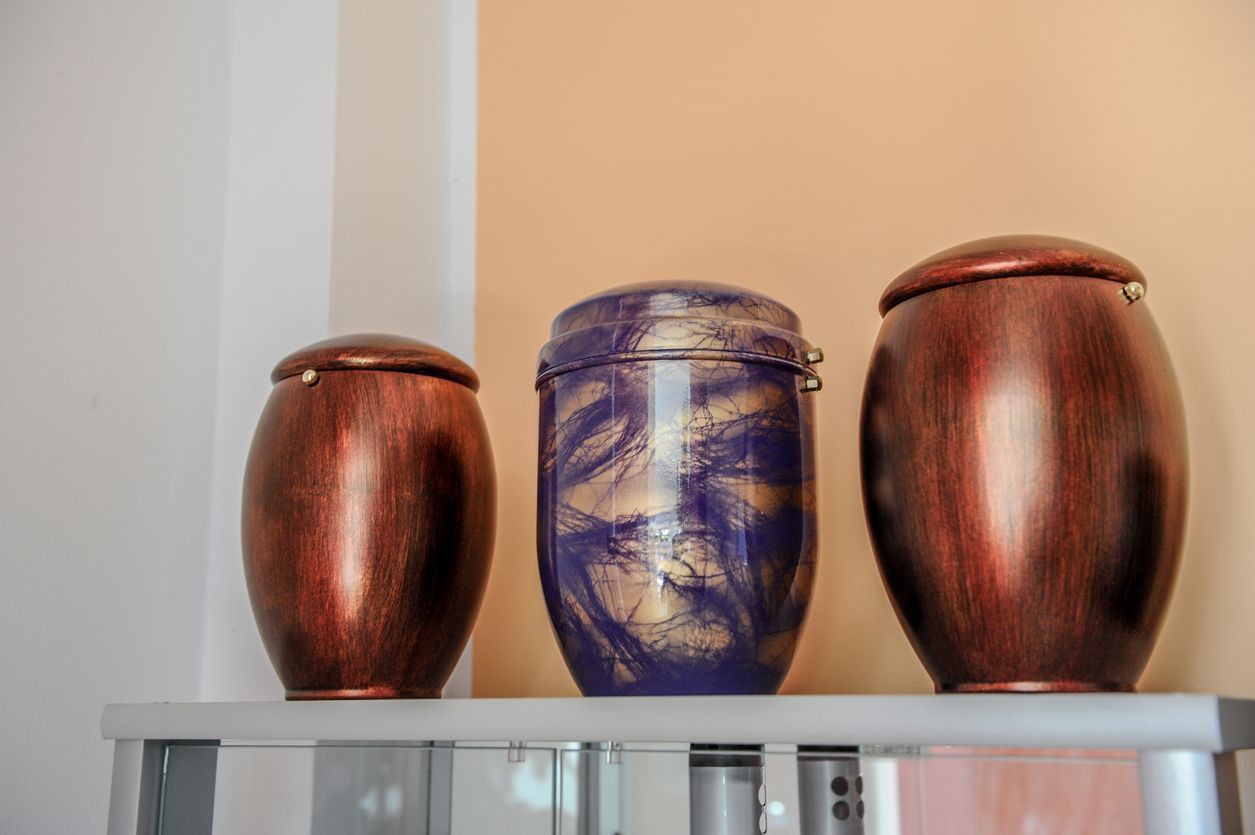
Can cremated ashes be divided? Yes. Learn about the legal and practical steps for separating remains to create respectful, personal memorials for your loved ones.
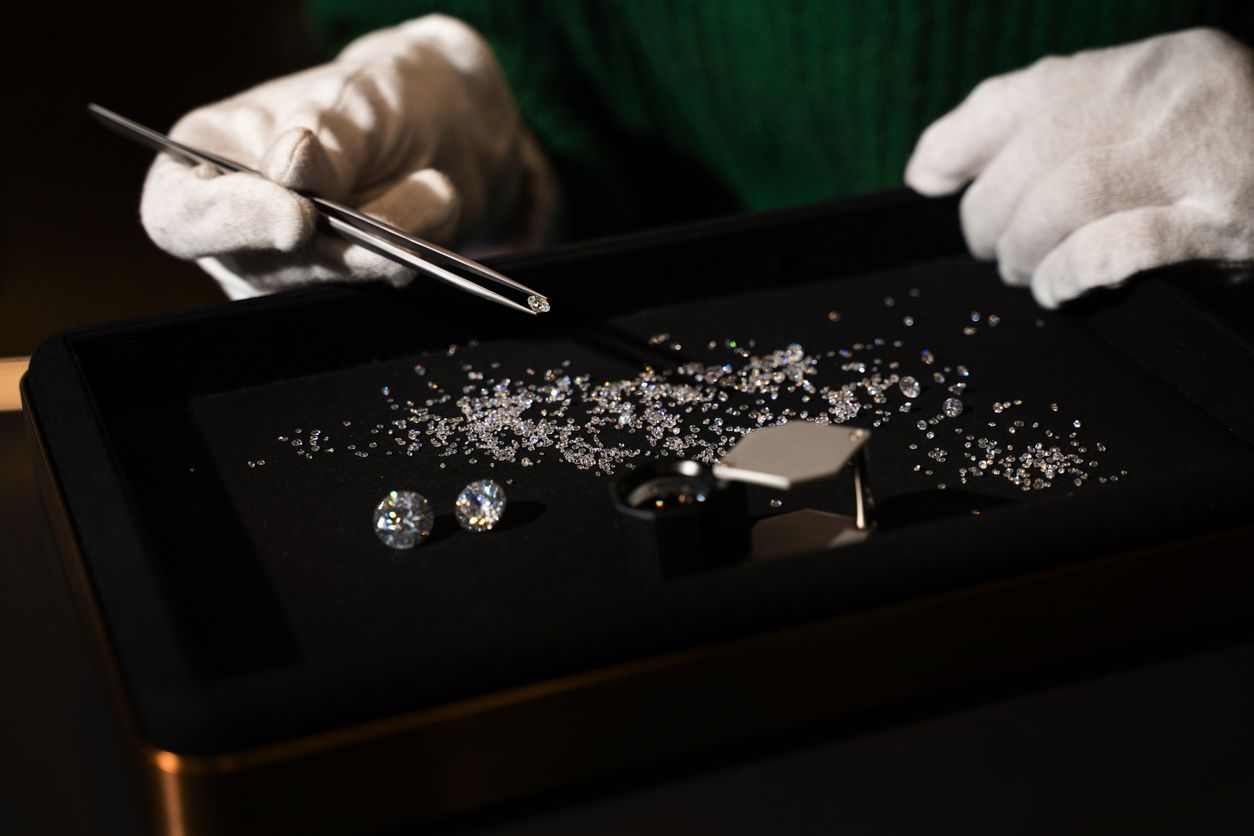
Thinking of turning cremated ashes into diamonds? Learn about the process, how to verify provider claims, and key considerations for Canadian families.

Wondering if you can spread ashes in the ocean in Canada? Learn about the legal requirements, planning steps, and environmental best practices for a meaningful water memorial.

Can you travel internationally with ashes? Yes, you can. Bringing a loved one to their final resting place across borders is a meaningful step. It is possible provided you follow the specific guidelines set by airport authorities, airlines, and your destination country. Navigating international travel with ashes requires careful preparation. You must verify CATSA (Canadian Air Transport Security Authority) screening requirements, airline baggage policies, and the entry rules of any connecting countries. Approval is never guaranteed simply by arriving at the departure gate. Planning ahead is the best way to ensure a smooth journey out of Toronto or any other Canadian departure city.
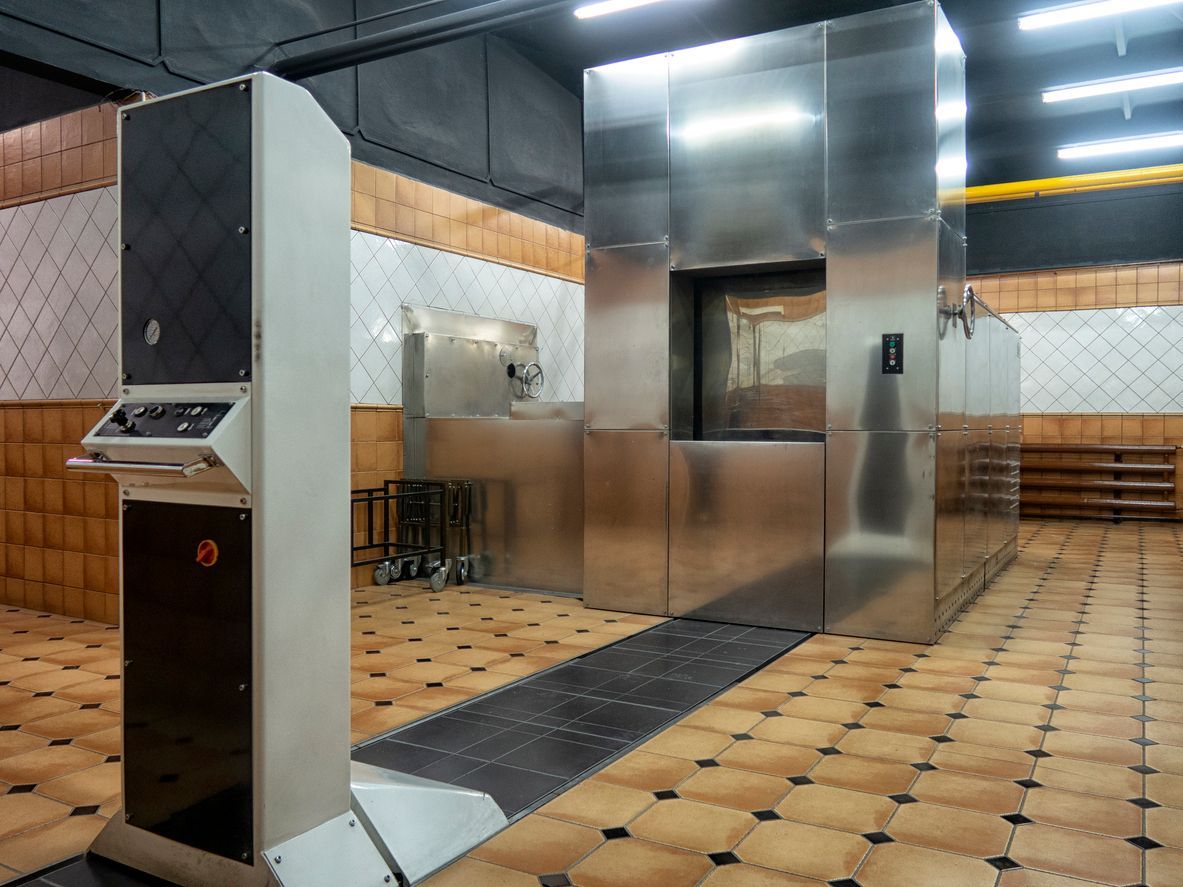
Cremation is a carefully managed process where the deceased is identified, prepared, placed in an approved cremation container or casket, and then cremated in a specialized chamber using high heat. Afterward, the remaining bone fragments are cooled, processed into cremated remains, and placed in a temporary container or urn for the family. Many families choose cremation because it is simple, flexible, and often more affordable than traditional burial. While the procedure can feel unfamiliar, every step is handled with dignity, legal oversight, and strict identification procedures to ensure peace of mind.
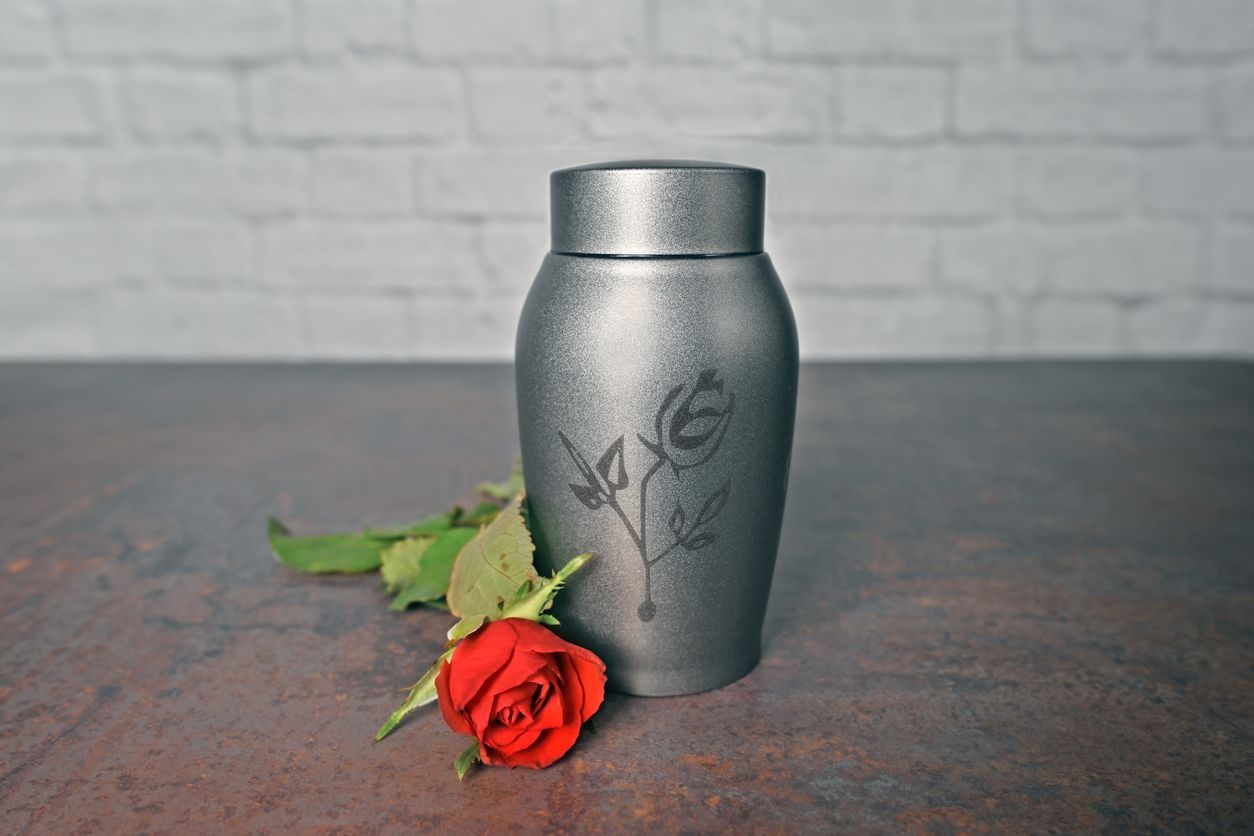
When exploring end-of-life arrangements, many families ask, “What is direct cremation?” Direct cremation is a simple cremation option where the deceased is cremated without a traditional funeral service, viewing, visitation, or mourners present. The provider handles transportation, the required legal paperwork, the cremation process, and the return of the ashes to the family. Families can then hold a memorial, celebration of life, or private gathering at a later time. Often referred to as simple cremation, unattended cremation, or a cremation without a funeral service, this straightforward option gives families total flexibility. It provides an affordable and practical solution, separating the physical disposition from the memorialization. This means loved ones can honour the person in a meaningful way on a date and at a location that feels most appropriate.
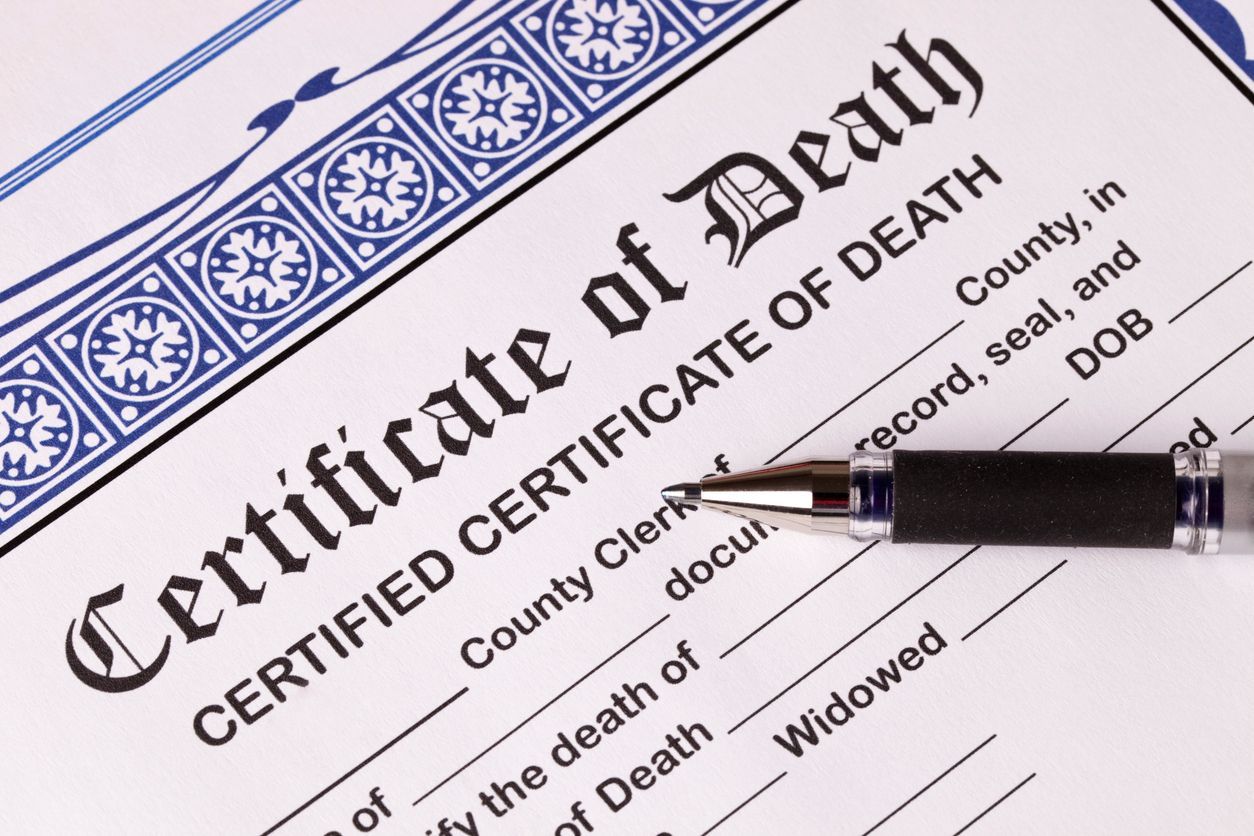
No, a cremation certificate is not the same as a death certificate. A death certificate is an official legal record that confirms a person has died, while a cremation certificate confirms that the cremation has been completed. Families navigating the loss of a loved one often hear both terms during the arrangement process. This overlap can easily create confusion. Each document serves a distinct purpose and will be needed at different stages of managing an estate and finalizing arrangements.