
Do You Need a Cremation Certificate to Bury Ashes in Ontario?

October 21, 2026

Share this article

funeral director and elderly couple going over processes

If you have received a loved one’s cremated remains and are planning a burial, cemetery interment, scattering ceremony, or transportation, you may be wondering whether a cremation certificate is actually required in Ontario. The short answer is: often yes, depending on what you plan to do with the remains.

While a cremation certificate is not always needed simply to possess cremated remains, cemeteries, airlines, border authorities, and some memorial locations may request documentation before allowing interment, transportation, or certain scattering activities. Understanding which documents serve which purpose can help avoid delays and provide peace of mind during an already challenging time.

Key Takeaways

• A Certificate of Cremation confirms that cremation was legally performed by a licensed provider.

• Cemeteries commonly require cremation documentation before an interment can take place.

• A cremation certificate is different from a death certificate and burial permit.

• Some airlines, border authorities, and scattering locations may request supporting documentation.

• Scattering ashes in Ontario generally does not require a provincial permit, but location-specific rules may apply.

What is a cremation certificate (Certificate of Cremation)?

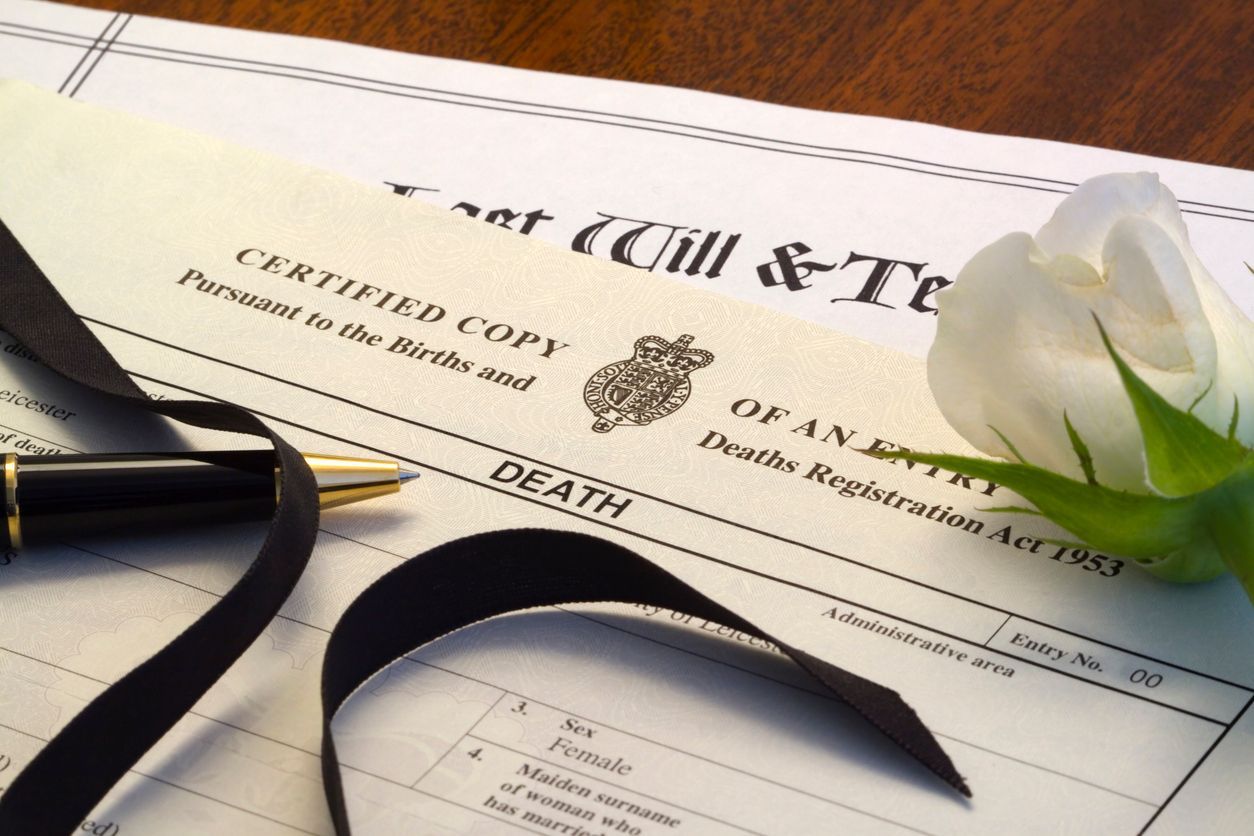
A certificate of cremation is a document issued by the licensed cremation provider confirming that the cremation has been carried out in accordance with Ontario's legal requirements. It serves as an official record that the cremation took place and identifies the individual whose remains were cremated.

One common misconception is that a cremation certificate and a death certificate are the same document. They are not.

A death certificate records the death and is often used for estate administration, financial matters, insurance claims, and government notifications. A cremation certificate in Ontario relates specifically to the cremation process itself.

It is also different from the coroner-issued authorization required before a cremation can legally proceed in Ontario. Ontario law requires a cremation certificate to be issued before cremation can occur, while the Certificate of Cremation is provided after the cremation has been performed.

For families, keeping all documentation together can make future arrangements much simpler, particularly if interment or transportation will occur months or years later.

When is a cremation certificate required?

The answer depends on what you intend to do with the cremated remains.

One of the most common situations is cemetery interment. Many cemeteries require documentation confirming the origin and identity of the cremated remains before they will permit burial or placement in a columbarium niche. Having the Certificate of Cremation available helps streamline that process.

Documentation may also be requested when transporting ashes between provinces or internationally. Airlines, customs authorities, and destination countries can have different requirements, and a cremation certificate is often one of the documents recommended or requested during travel.

Some scattering locations may also require documentation. While there is no province-wide requirement to obtain a permit before scattering ashes in Ontario, certain parks, conservation areas, cemeteries, and managed memorial properties may have their own rules or administrative requirements. Verifying requirements before making plans can help prevent unexpected complications.

A Simple Decision Checklist

You should have your Certificate of Cremation readily available if you plan to:

• Bury cremated remains in a cemetery.

• Place remains in a columbarium or mausoleum.

• Transport ashes by air.

• Cross provincial or international borders with ashes.

• Scatter ashes at a location that has specific site rules or permissions.

If you are unsure whether documentation will be required, contacting the cemetery, airline, park authority, or memorial property in advance is often the easiest next step.

Scattering Ashes in Ontario: Do You Need a Permit?

Many families researching laws around scattering ashes in Ontario are relieved to learn that there is generally no provincial permit required to scatter cremated remains on private property that you own or have permission to use.

Similarly, scattering cremated remains in many waterways is permitted, provided local restrictions, environmental considerations, and property rights are respected. However, provincial parks, national parks, conservation areas, and municipally managed properties may have their own policies. Before arranging a scattering ceremony, it is a good idea to confirm any location-specific requirements directly with the authority responsible for that site.

A common mistake is assuming that rules are identical everywhere. In reality, the location often determines whether advance permission, notification, or documentation is needed. That is why families benefit from checking requirements before finalizing plans rather than arriving on the day of the ceremony and discovering restrictions.

Sensible Choice provides the Certificate of Cremation

For families arranging cremation services, documentation is an important part of the process, even if it is not something most people think about until they need it.

As part of Sensible Choice's cremation arrangements, families receive the documentation associated with the cremation, including the Certificate of Cremation issued following the process. Having these records readily available can make future decisions involving burial, cemetery placement, transportation, or memorial planning much easier.

Many families do not know in advance whether they will eventually inter cremated remains, divide them among family members, transport them to another province, or plan a scattering ceremony. Keeping cremation documentation in a safe location helps ensure that future arrangements can proceed smoothly when those decisions are made.

Families seeking guidance about cremation planning can also learn more about Sensible Choice's cremation services and the support available throughout the arrangement process.

Understanding the Requirements for Burying Ashes in Ontario

A cremation certificate in Ontario serves an important purpose long after the cremation itself is finished. Whether you are planning a cemetery interment, transporting ashes, or considering a scattering ceremony, having the proper documentation available can help avoid delays and uncertainty. When questions arise, the best approach is to verify the specific requirements of the cemetery, carrier, or location involved and ensure your Certificate of Cremation is readily accessible when needed.

Recent Posts

A Sensible Approach

By Kinship Admin • October 14, 2026
Discover how ashes are collected and processed after cremation in Ontario. Learn about chamber cooling, identification tracking, and receiving cremains.

funeral director close up with hands folded
By Kinship Admin • October 7, 2026
Learn how to choose a licensed funeral home or cremation provider in Ontario. Compare BAO licensing, services, and direct cremation options with confidence.
cremation urn being delivered
By Kinship Admin • September 29, 2026
Unsure if you must pick up cremated remains? Discover your options, including delivery, temporary holding, Ontario regulations, and final resting place choices.
By Kinship Admin • September 24, 2026
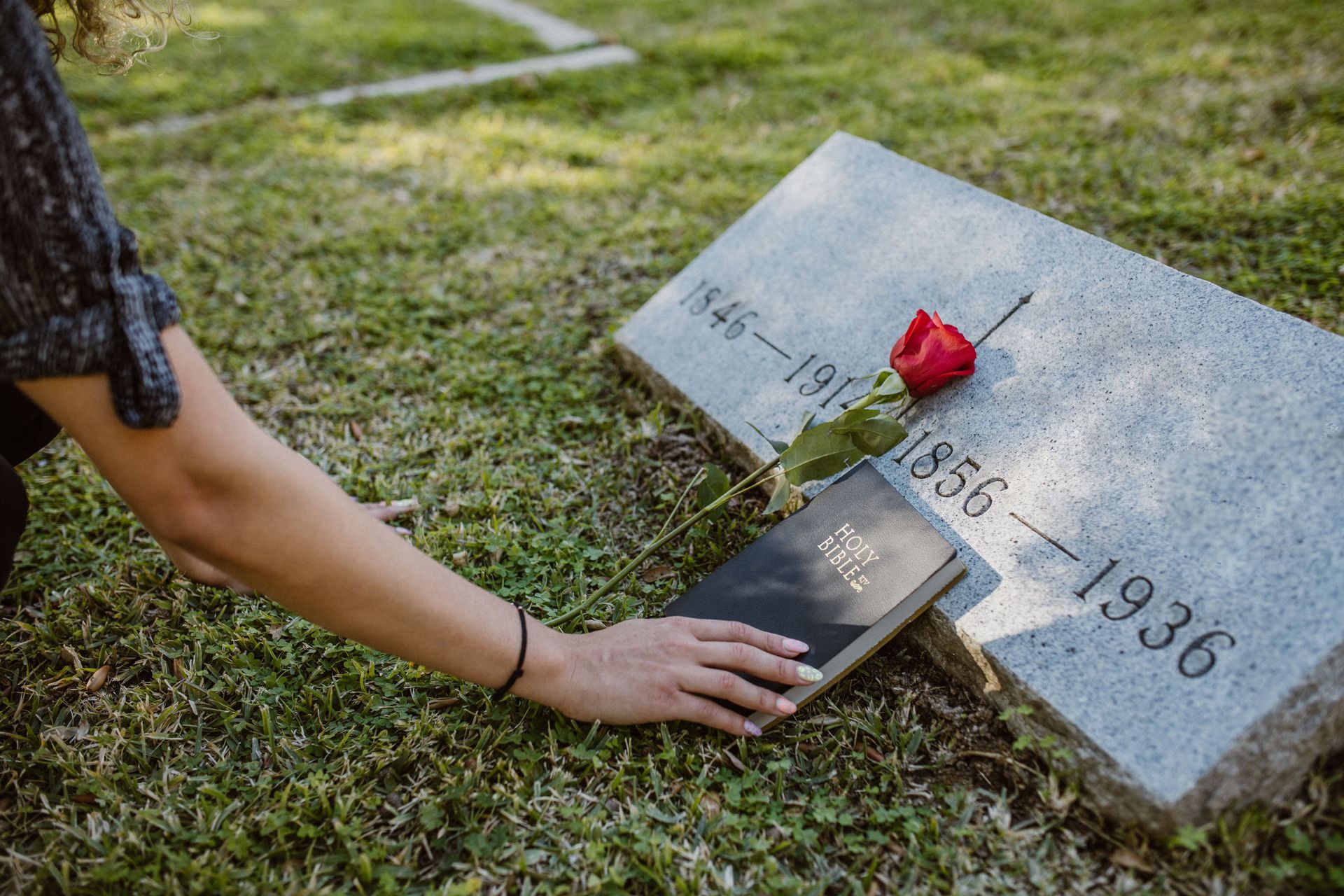
Yes, many people bury cremated ashes. Cremated remains can be interred in a cemetery plot, placed in a dedicated urn garden or buried in an existing family grave when permitted by the cemetery. Families often ask, do people bury cremated ashes? The answer is a reassuring yes, as burying ashes gives families a permanent and identifiable place to visit, remember and honour their loved one. ​ In Ontario, the burial of human remains, including cremated remains, is not permitted outside a licensed cemetery. This means families generally cannot bury an urn in a residential backyard or on other private land unless the property has formally been established as a licensed cemetery.
By Kinship Admin • September 17, 2026
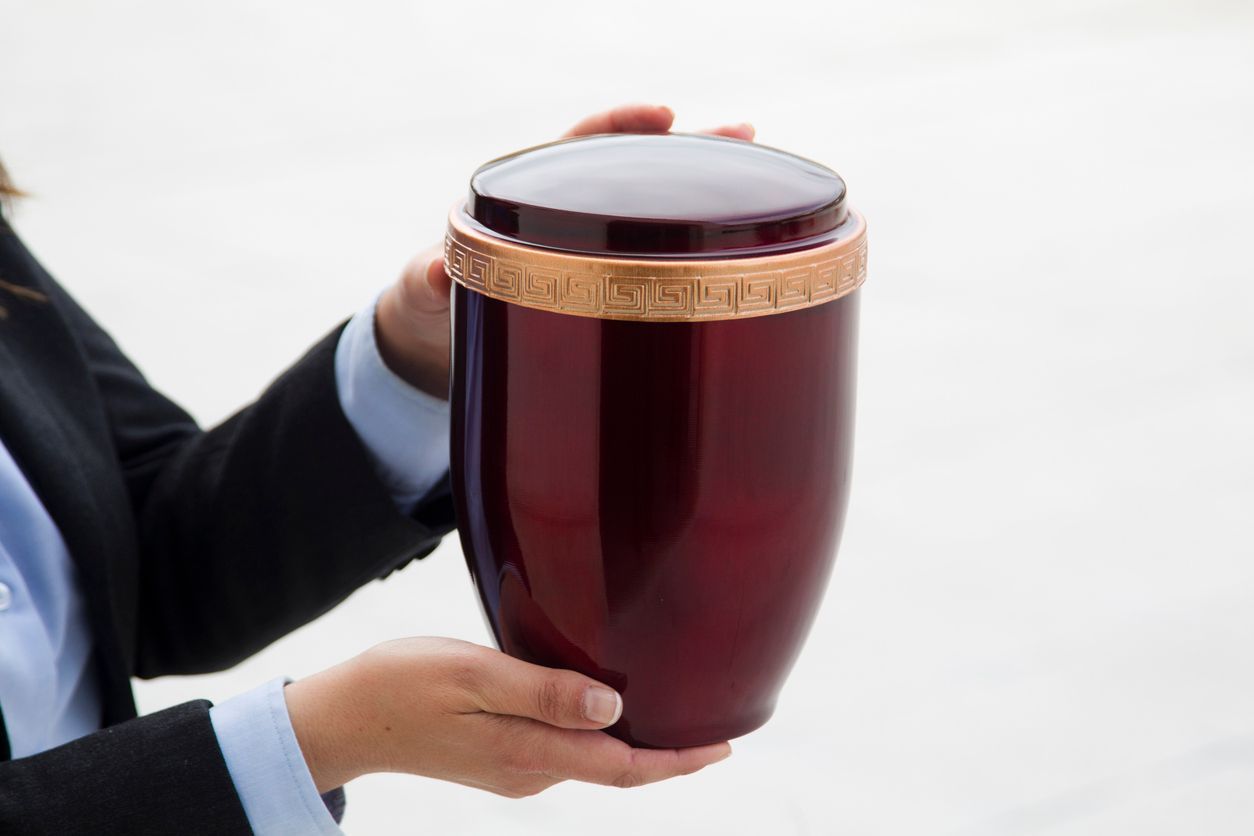
One of the most common questions families ask after a cremation is: how heavy are ashes after cremation? Whether you are choosing an urn, planning a memorial, arranging transportation, or simply trying to understand what to expect, knowing the typical weight of cremated remains can help you make informed decisions during an already difficult time. In most cases, adult cremated remains weigh between 1.5 and 3 kilograms (approximately 3 to 7 pounds), with many adults falling closer to the 2 to 2.5 kilogram range. However, several factors can influence the final weight. Understanding those factors can make selecting an urn, transporting remains, and planning memorial options much easier.

cremation service 5 star review
By Kinship Admin • September 10, 2026
Choosing a cremation service in Ontario? Discover how to verify BAO licensing, compare transparent pricing, and ensure compassionate care for your loved one.
cremated ashes in a pile on a white background
By Kinship Admin • September 8, 2026
Do cremated ashes decompose? Learn why they don't biologically decay, how to store them properly, and how environmental factors impact cremated remains over time.

By Kinship Admin • September 1, 2026
Many Ontario funeral homes publish obituary listings directly on their websites for public access. This article serves as a practical guide to help you search obituaries efficiently across the province of Ontario. Specifically, we focus on how to locate service details and search obituary listings through Sensible Choice Cremation & Funeral Services, ensuring you can find memorial information and offer support to grieving families.
By Kinship Admin • August 25, 2026
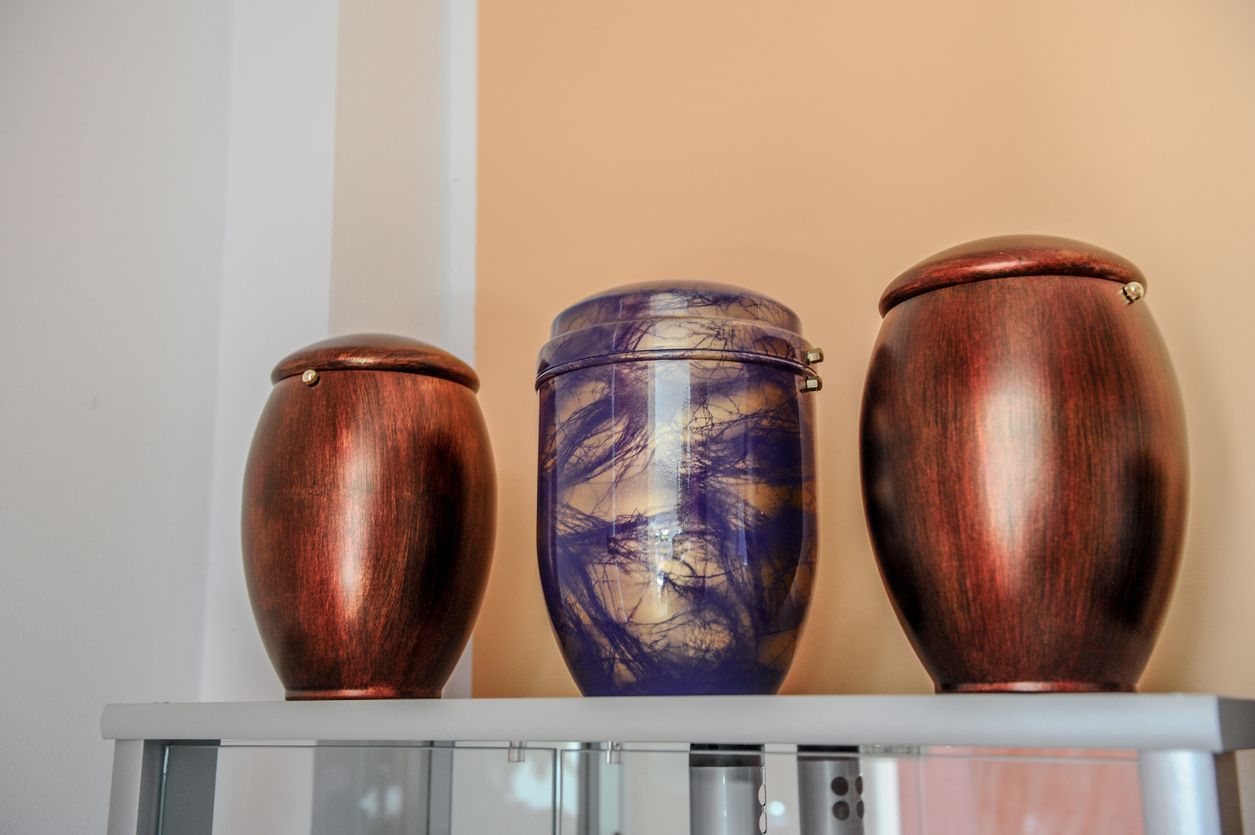
Can cremated ashes be divided? Yes. Learn about the legal and practical steps for separating remains to create respectful, personal memorials for your loved ones.

Gemologist holds a small diamond with tweezers for precise inspection and sorting
By Kinship Admin • August 18, 2026
Thinking of turning cremated ashes into diamonds? Learn about the process, how to verify provider claims, and key considerations for Canadian families.

By Kinship Admin • August 11, 2026
Wondering if you can spread ashes in the ocean in Canada? Learn about the legal requirements, planning steps, and environmental best practices for a meaningful water memorial.

By Kinship Admin • July 30, 2026
Can you travel internationally with ashes? Yes, you can. Bringing a loved one to their final resting place across borders is a meaningful step. It is possible provided you follow the specific guidelines set by airport authorities, airlines, and your destination country. Navigating international travel with ashes requires careful preparation. You must verify CATSA (Canadian Air Transport Security Authority) screening requirements, airline baggage policies, and the entry rules of any connecting countries. Approval is never guaranteed simply by arriving at the departure gate. Planning ahead is the best way to ensure a smooth journey out of Toronto or any other Canadian departure city.
Show More