Can Cremated Ashes Be Made Into Diamonds?

When exploring unique ways to remember a loved one, many Toronto families ask: can
cremated ashes be made into diamonds? The direct answer is that specialist memorial
companies claim to create laboratory-grown diamonds from carbon derived from cremated
remains, hair, or other personal sources. Before choosing this option, families need to compare
providers; methods, understand carbon sources, and review documentation alongside chain-of-
custody procedures. It is essential to research these claims carefully rather than accepting
provider marketing as independently proven facts.
Key Takeaways
- Specialist memorial companies state they extract carbon from ashes or hair to grow a memorial stone.
- Processing methods differ significantly, and some providers supplement personal carbon with laboratory-grade carbon.
- A gemmological report confirms that the finished stone is a laboratory-grown diamond but does not verify the origin of the carbon.
- Canadian families must carefully verify shipping protocols, customs requirements, and provider unused-material policies before sending remains.
Can Ashes Really Be Turned Into Diamonds?
The phrase "ashes into diamonds" is a simplified phrase used in marketing. In reality, carbon is
a naturally occurring element in the human body, but the intense heat of cremation alters its
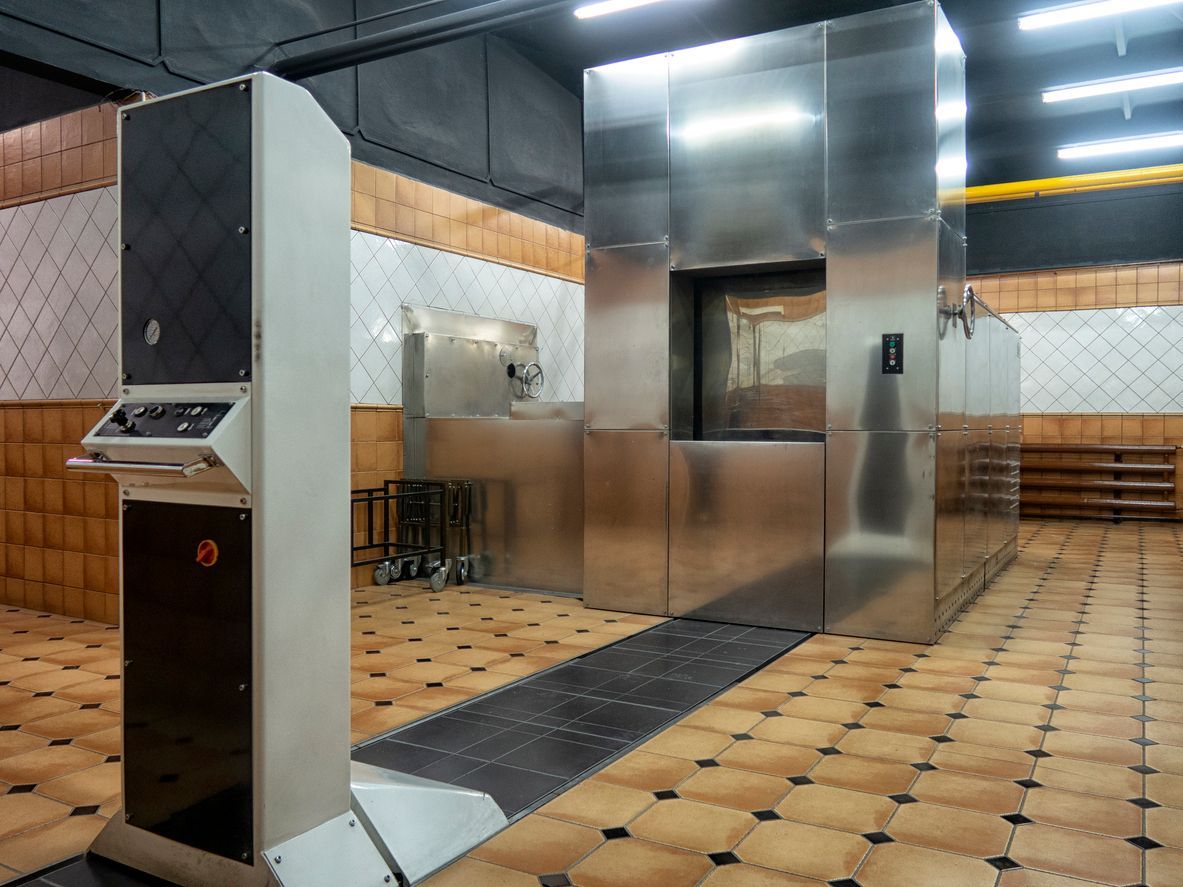
structure. To better understand this environment, it helps to know how a cremation service is
done. The remaining material requires extensive laboratory processing to isolate any residual
carbon. Specialist providers describe various extraction techniques prior to the growth phase.
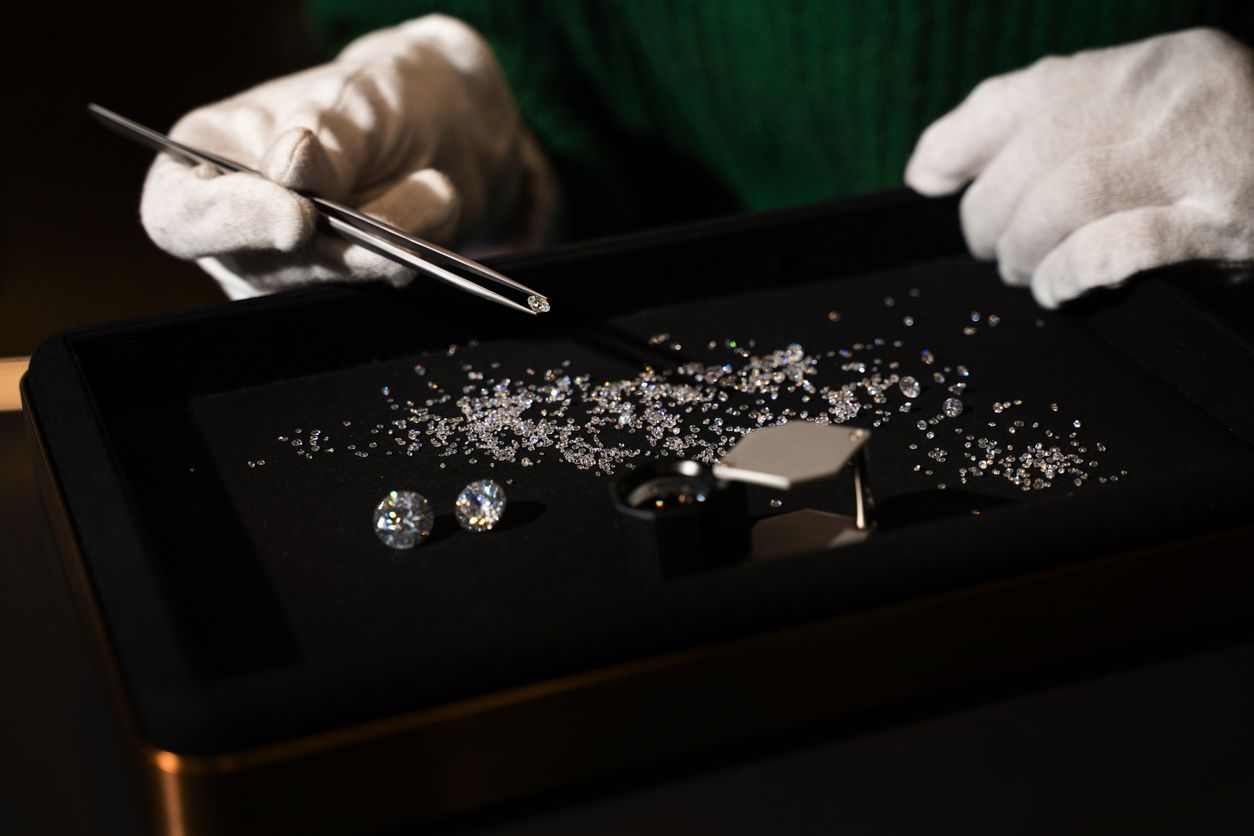
Families must distinguish between a few different memorial options. A memorial diamond is a
stone created from submitted ashes or hair in a laboratory setting. Ash-holding jewellery
features a physical compartment for storing cremated remains. Memorial glass or resin contains
visible ash particles suspended securely within the piece. Finally, a standard laboratory-grown
diamond contains no personal carbon at all.
How Are Memorial Diamonds Created?
When looking into how ashes are turned into diamonds, providers commonly describe a multi-
stage process. Families should note that specific methods and carbon sources vary between
companies.
1. Collection and Identification
The journey begins with submission, packaging, and identification. Families should ask
providers to explain their specific receipt and tracking procedures. Clear records and a unique
reference number are crucial elements for maintaining a secure chain of custody from the
moment the package leaves your hands.
2. Carbon Processing
During the carbon extraction and carbon purification stage, facilities aim to isolate carbon from
the submitted material, often converting it into graphite. Because methods vary significantly
across the industry, families should explicitly ask if the provider adds laboratory-grade carbon to
the mix to facilitate growth.
3. Diamond Growth
The controlled laboratory growth stage mimics natural conditions on Earth. A laboratory-grown
diamond is commonly produced using a high-pressure, high-temperature process or chemical
vapour deposition methods. Providers may use a diamond seed to start the crystallization. It is
vital to recognize that submitted ashes are not simply compressed into a gemstone. The
provider's disclosed process dictates exactly how the stone forms over time.
4. Cutting, Polishing, and Assessment
Once rough growth finishes, the cutting and polishing stages begin. Available carat size, cut,
and colour vary by provider and the unique characteristics of each finished stone. Some
providers arrange an assessment by an independent gemmological laboratory for official
diamond grading.
Are Cremation Diamonds Real Diamonds?
Families frequently wonder, are cremation diamonds real? A memorial stone may qualify as a
laboratory-grown diamond, meaning it shares the identical optical, physical, and chemical
properties of mined stones. This fact distinguishes a laboratory-grown diamond from simulants
like cubic zirconia. When a stone is assessed, a gemmological report confirms its clarity, cut,
colour, and carat. However, it is important to clarify that this report describes only the finished
stone's characteristics. It does not provide evidence supporting the claimed source of the
carbon. Always treat claims about personal carbon content as provider-reported unless backed
by independent, scientific verification.
How Much Ash is Needed, How Long Does it Take, and What Does it Cost?
Understanding how much ash is needed to make a diamond, how long it takes to make a
diamond from ashes, and how much it costs to turn ashes into a diamond requires careful
research. Ash requirements, production timelines, and prices are not universal standards.
Factors affecting these variables include the selected carat size, cut, colour, laboratory location,
assessment fees, jewellery setting choices, shipping, insurance, taxes, and custom design
elements.
To make an informed decision, obtain the following details in writing:
- The exact required weight or volume of ashes.
- Whether hair may be used instead of or in addition to the remains.
- Whether additional carbon is added during the process.
- The estimated production timeline from start to finish.
- A detailed quote in Canadian dollars.
- A breakdown of exactly what the price includes.
- The policy detailing what happens if growth is unsuccessful.
If you are unsure about the volume of remains you have available, reviewing how much ash is
left after cremation provides practical context for your decision.
What Happens to Unused Ashes or Carbon?
Families must request a written unused-material policy before sending irreplaceable remains.
Ask specific questions about how much material is processed and whether unused ashes or
extracted carbon are returned to you. You should also verify if anything is stored at their facility,
the exact retention periods, and the terms regarding cancellation or unsuccessful production. A
reputable provider will offer transparent answers to all of these inquiries.
Memorial Diamond Provider Checklist
When comparing memorial diamond options in Canada, transparency and respectful handling
are paramount. Use the table below as a checklist when evaluating providers for ashes-to-
diamonds Canada services.
| Evaluation Area | What to Verify |
|---|---|
| Laboratory Location | Confirm the country and exact facility address. |
| Required Material | Note the volume needed and specific packaging instructions. |
| Additional Carbon | Ask if they supplement with non-personal carbon. |
| Chain of Custody | Review their tracking, documentation, and security procedures. |
| Documentation | Check for independent gemmological documentation. |
| Pricing and Timing | Ensure a written timeline and total price in Canadian dollars. |
| Unused-Material Policy | Confirm return or safe disposal procedures for unused ashes. |
| Guarantees | Check the remake, refund, and cancellation terms. |
| Shipping and Security | Verify shipping, tracking, insurance, and signature requirements. |
Always compare cremation diamond providers in Canada based on documentation,
transparency, and security rather than focusing on price alone.
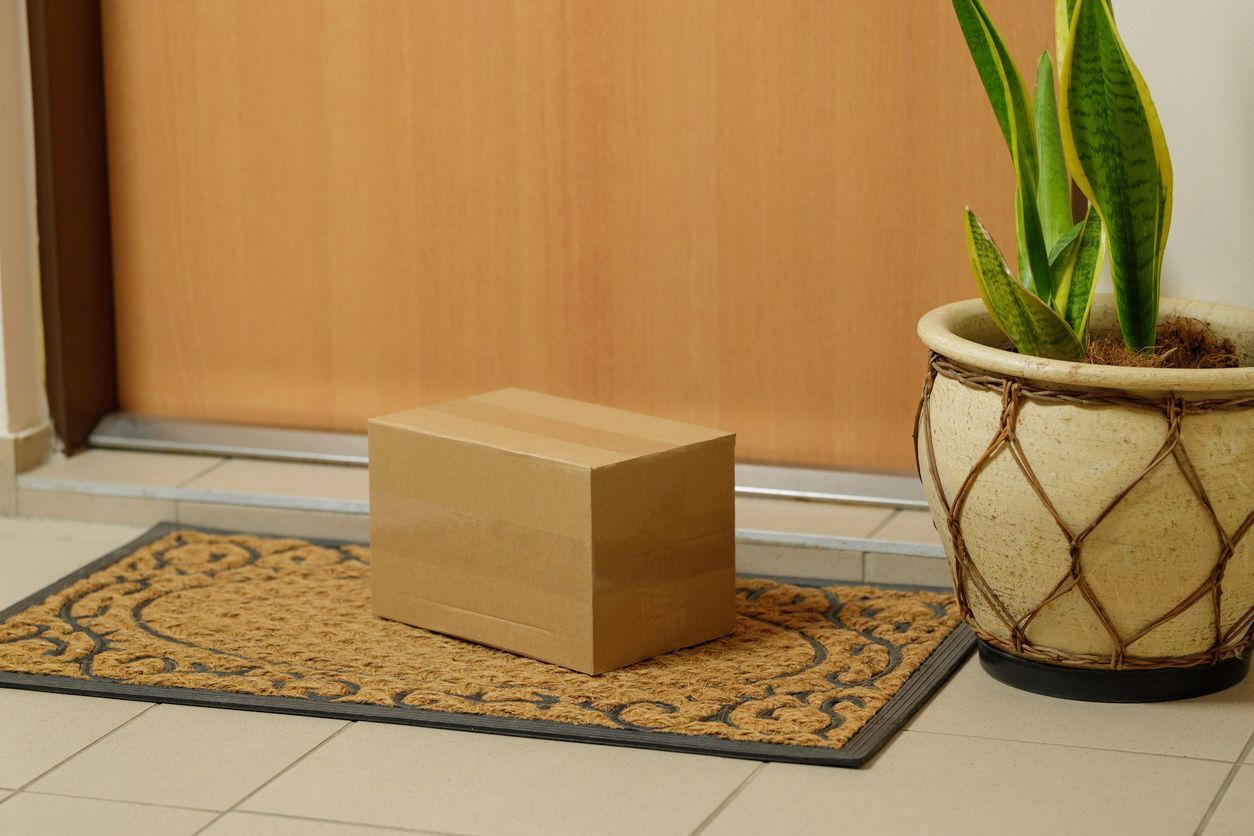
What Should Canadian Families Know Before Sending Ashes?
Ordering diamonds made from cremated ashes often involves working with laboratories located
outside of the country. Canadian families must verify specific ordering, shipping, and customs
requirements before proceeding. Start by checking the provider's eligibility for Canadian orders.
You must also determine permitted carriers, specific packaging rules, and required customs
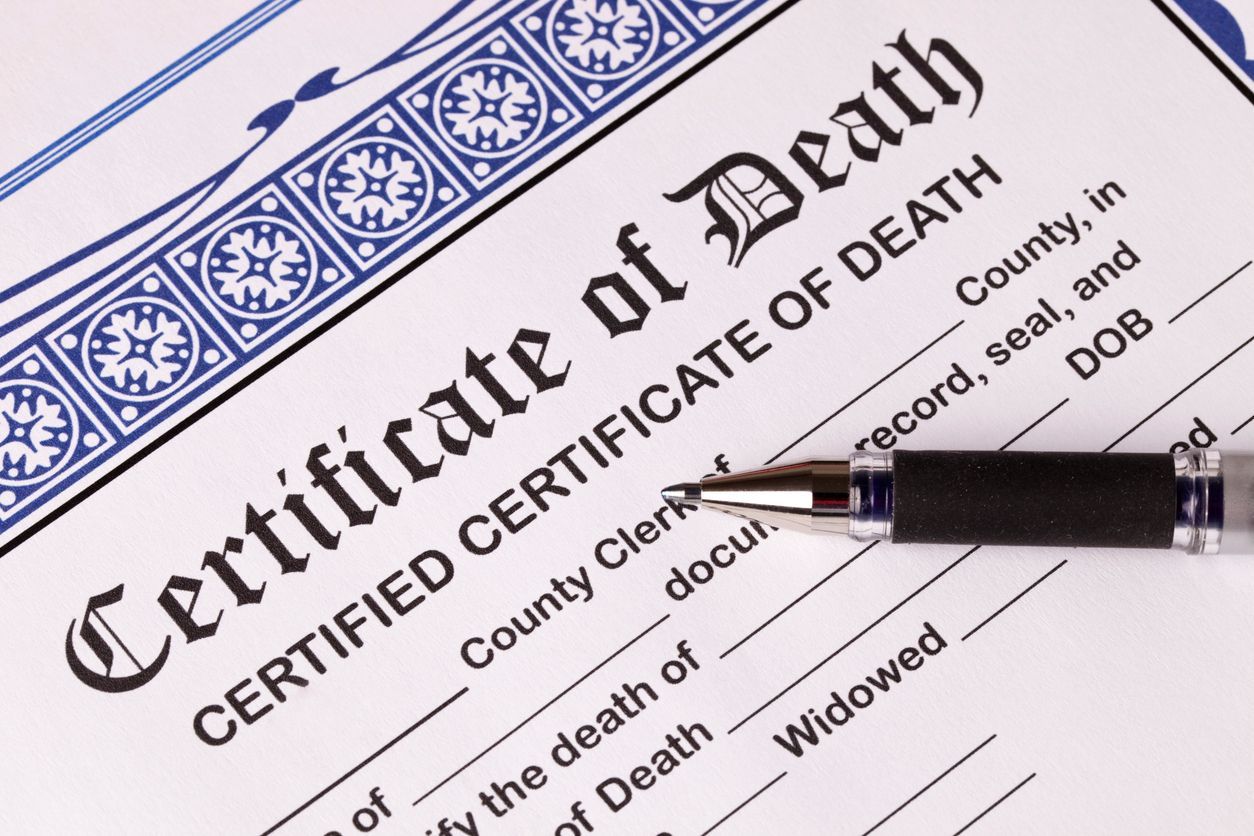
documentation. Many international borders require a valid cremation certificate for transport.
Never send remains in an ordinary envelope or an unapproved parcel. Focus on rigorous
tracking, adequate insurance, and understanding who covers applicable duties, taxes, and
return shipping. For safe transit guidelines, review the rules on mailing cremated ashes to ensure compliance with current regulations.
Memorial Diamonds vs Jewellery That Holds Ashes
When looking into memorial jewellery made from ashes, there are several distinct choices
available to honour a loved one. Understanding these differences helps in selecting the most
appropriate tribute.
- Memorial diamonds are created through a laboratory-growth process using extracted carbon.
- Pendants, rings, or bracelets physically hold a small amount of ashes within a secure chamber.
- Memorial glass contains visible ash particles fused directly into the glass piece.
- Fingerprint jewellery features an engraving of your loved one's print but does not normally contain ashes.
- Keepsake urns allow families to share small portions of remains among multiple relatives.
If you wish to better understand the nature of the remains used in these options, it is helpful to
read about what happens during cremation.
Is a Memorial Diamond Right for Your Family?
Choosing whether to invest in memorial diamonds from ashes is a deeply personal decision.
Families must weigh several practical and emotional factors. Consider the emotional comfort it
may bring against your budget and the amount of remains you are willing to submit. Discuss
expected timelines and ensure there is general family agreement before moving forward.
Shipping concerns, especially across international borders, also play a vital role.
Remember that exploring if ashes can be turned into diamonds is just one avenue of
remembrance. A memorial diamond serves a specific purpose, just as an urn, a scattering
ceremony, a traditional burial, or other forms of memorial jewellery serve theirs. Choose the
path that brings your family the most peace and closure.
Should You Speak With a Cremation Provider First?
Before making a final decision on memorial personalization, it is wise to consult a professional.
A cremation provider can offer valuable general guidance regarding your options. They can
share information about proper packaging, available documentation, and the safe separation of
a portion of the ashes.
While Sensible Choice Cremation does not manufacture diamonds, operate a laboratory, or
hold an approved memorial-diamond partner, we are here to discuss practical aftercare options.
You can speak with a cremation expert to ensure you have the correct certificates and guidance
to confidently manage your loved one's remains.
Navigating Your Memorial Choices: A Summary of Ashes to Diamonds
Finding a meaningful way to keep a loved one close is an important step in the grieving process.
For those asking whether cremated ashes can be made into diamonds, it is clear that
specialized services exist to facilitate this request. However, due diligence is necessary.
Families must carefully review provider claims regarding carbon extraction, chain of custody,
and Canadian shipping protocols. By asking the right questions about pricing, timelines, and
unused-material policies, you ensure a transparent and respectful process that properly honours
your loved one's memory.
Recent Posts
A Sensible Approach