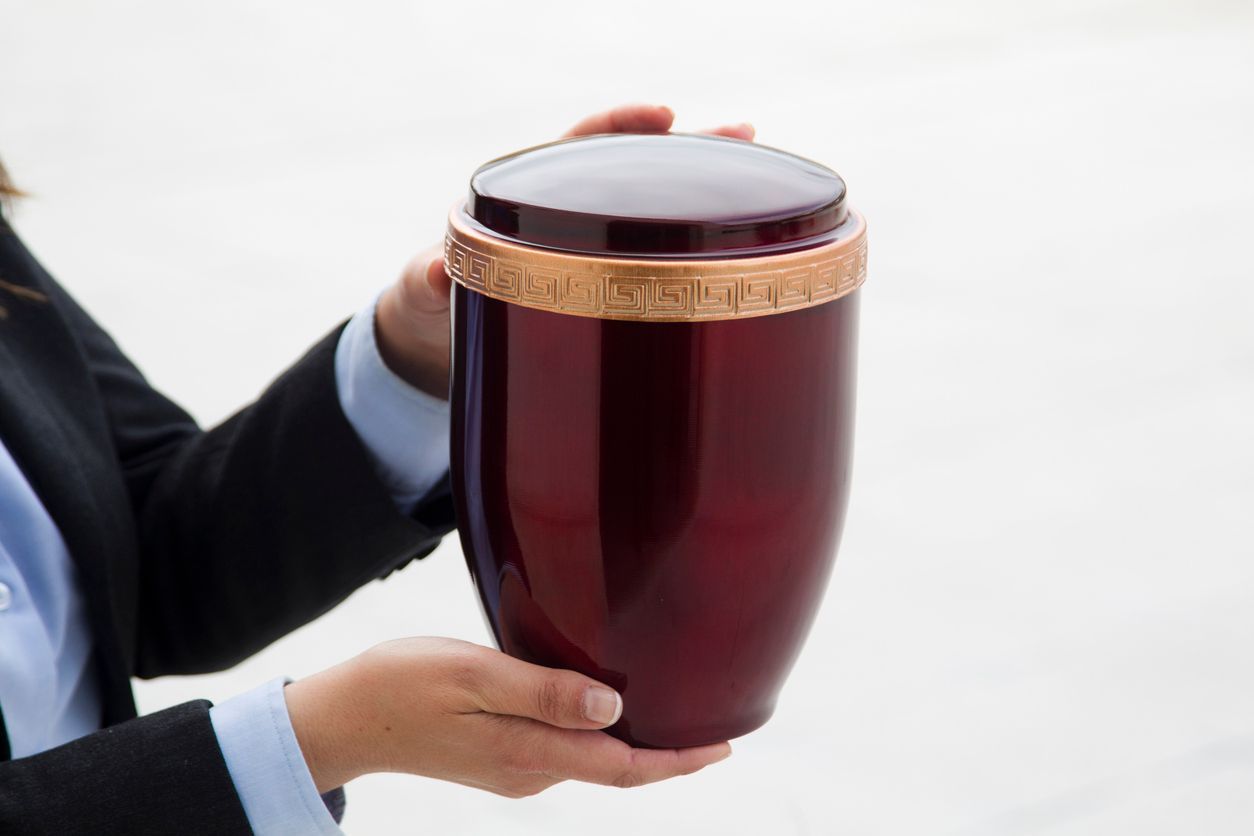
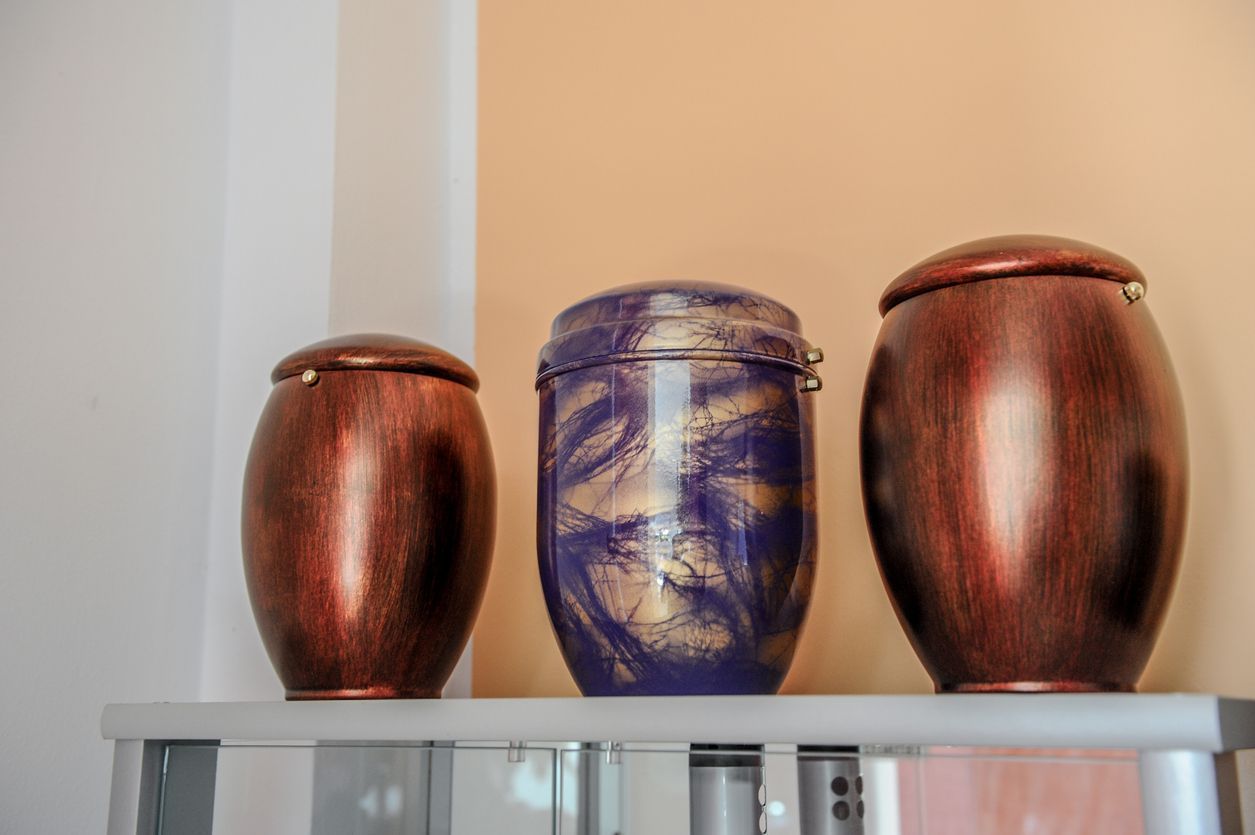
One of the most common questions families ask after cremation is: how deep are cremated ashes buried? The answer depends on where the remains will be placed. In Ontario, there is no single province-wide burial depth for cremated remains. Cemeteries set their own interment requirements, while private property burial and scattering may involve different considerations altogether.
For many Ontario families, the decision goes beyond depth. It also involves choosing a meaningful location, understanding cemetery policies, selecting an appropriate urn, and ensuring any applicable rules are followed. Understanding these factors can help you make a choice that honours your loved one while avoiding unexpected complications later.
Key Takeaways
• Most Ontario cemeteries typically bury cremated remains at a depth of approximately 18 to 24 inches, but requirements vary by cemetery.
• Cemetery interment policies may include specific rules for urns, vaults, markers, and memorialization.
• Burying ashes on private property is generally not prohibited provincially, but municipal bylaws may apply.
• Biodegradable urns offer a natural option for families who prefer an environmentally conscious burial approach.
• Scattering ashes is a popular alternative in Ontario and follows different rules than burial.
Cemetery Interment in Ontario
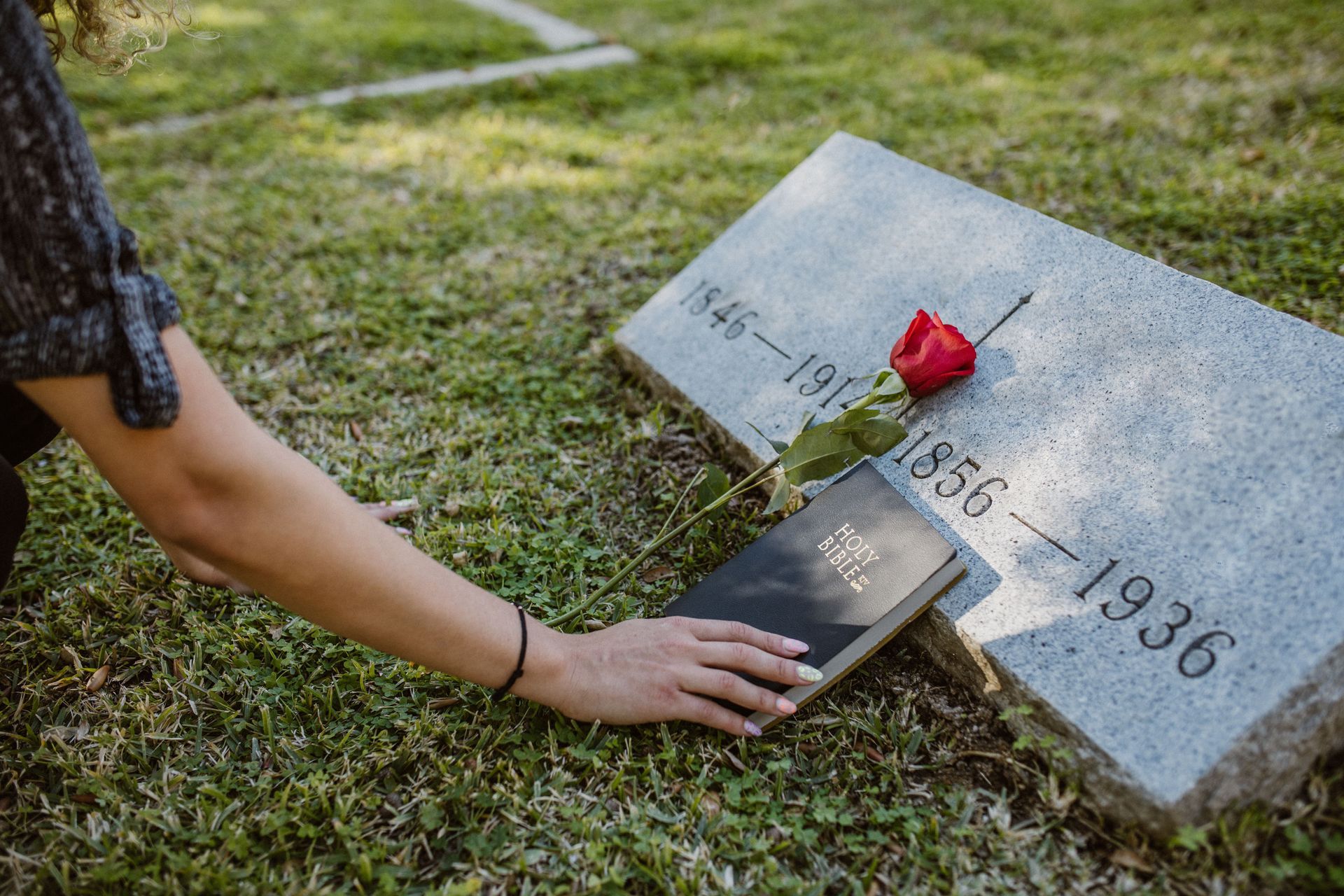
When families ask about how deep to bury ashes in Ontario, the most accurate answer is to check with the cemetery where the interment will take place. Many Ontario cemeteries commonly place cremated remains at depths ranging from approximately 18 to 24 inches, although individual cemetery bylaws and operational practices may differ.
The Funeral, Burial and Cremation Services Act governs cemetery operations in Ontario, and cemetery operators establish their own interment requirements and procedures. Before purchasing an urn or arranging a burial, it is a good idea to confirm the cemetery's current policies regarding depth, container requirements, and marker options.
Because cemetery rules vary, families should avoid assuming that one cemetery's requirements apply everywhere. A quick conversation with the cemetery can prevent delays and ensure the interment process for cremated remains proceeds smoothly.
Urn, Vault and Container Requirements
The depth of a cremation urn burial is only one consideration. Cemeteries may also have specific requirements regarding the type of container used.
Some cemeteries permit direct burial of a sealed urn, while others may require an outer container or vault for protection and long-term site maintenance. Memorial marker requirements can also differ depending on the section of the cemetery and the type of interment rights purchased.
Because policies vary, families should always confirm container requirements before making final arrangements. This is especially important when selecting specialty urns, custom memorial products, or considering an urn vault in Ontario.
Burial on Private Property
Many families wonder whether they can bury ashes in a backyard in Ontario. In most situations, Ontario does not specifically prohibit the burial or scattering of cremated remains on private property. Provincial guidance permits scattering on private land with the consent of the property owner.
However, that does not mean every property is automatically suitable. Municipal bylaws may contain provisions that affect private property burial, particularly within urban areas or certain residential zones. Homeowners should contact their local municipality before proceeding.
There are also practical considerations to think about. Future property sales, landscaping projects, and long-term family access to the site can all influence whether a private burial remains the right choice over time.
A simple planning framework can help:
• Confirm municipal bylaws.
• Ensure the property owner consents.
• Record the burial location.
• Consider future ownership of the property.
• Select an appropriate container for long-term placement.
Taking these steps can help families avoid uncertainty while preserving a meaningful memorial location.
Biodegradable Urns
A biodegradable urn offers a middle-ground option between traditional burial and scattering. These urns are typically made from materials such as compressed paper, bamboo, natural fibres, salt, or other environmentally conscious materials.
Many families choose biodegradable urns when they want a more natural form of cremated remains burial. Rather than remaining permanently in the ground, the container is designed to break down over time according to its material composition and environmental conditions.
If you are considering a biodegradable urn for cemetery interment, private property burial, or a natural memorial setting, review both the manufacturer's recommendations and any cemetery requirements before making a final decision.
Scattering as an Alternative to Burial
For many Ontario families, scattering ashes is an appealing alternative to burial. Unlike burial, scattering does not involve a depth requirement.
Ontario permits the scattering of cremated remains in several situations, including on private property with the landowner's consent, on certain Crown lands where no restrictions apply, and on some municipally owned properties where local bylaws permit it.
When considering scattering ashes rules in Ontario, it is important to verify the permissions associated with the chosen location. Public parks, conservation areas, waterfronts, and other public spaces may have their own regulations. Water scattering may also involve additional considerations depending on the location.
Because requirements can vary by landowner and jurisdiction, checking ahead helps ensure the memorial takes place respectfully and without complications.
Documentation to Keep
Whether you choose burial or scattering, maintaining accurate records can save confusion later.
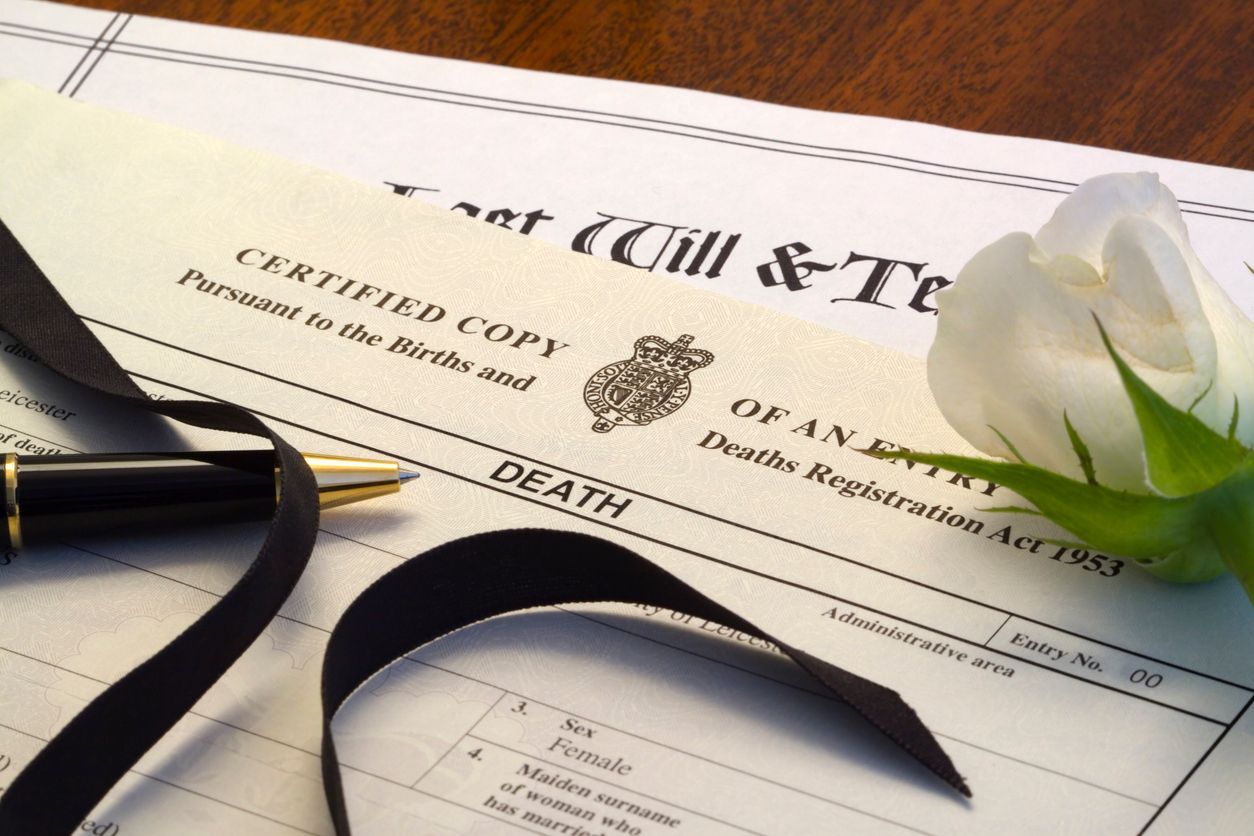
Families should keep copies of any relevant cremation documentation, including the cremation certificate or paperwork provided by the cremation provider. It is also helpful to maintain written records showing:
• The date of burial or scattering.
• The exact location.
• Any cemetery interment information.
• Written permissions from landowners when applicable.
• Details about memorial markers or urn placement.
Good recordkeeping creates a lasting reference for future generations and helps preserve the significance of the chosen memorial location.
Understanding Your Options for Burying Cremated Ashes
When asking how deep cremated ashes are buried, the most important takeaway is that there is no single Ontario-wide standard. Cemetery interment depths, container requirements, private-property considerations, and scattering options can all vary depending on the location and circumstances. If you are exploring your options for cremation and memorial planning, Sensible Choice can provide guidance on arranging cremation services in Ontario
while helping you understand the questions to ask before making final interment decisions. Always confirm the specific rules that apply to your chosen cemetery, property, or memorial site before proceeding.