

How Are Ashes Collected After Cremation?

October 14, 2026

Share this article

funeral director and elderly couple going over processes

How Are Ashes Collected After Cremation?

Families often ask how ashes are collected after cremation, particularly when they are planning ahead or waiting to receive a loved one's remains. The process is carefully controlled and involves several important stages, including cooling, collection, processing, packaging, and identification tracking. What many people refer to as "ashes" are actually cremated remains that are collected from the cremation chamber, known as a retort, and then processed before being returned to the authorized recipient.

Understanding what happens after cremation can provide reassurance and help families know what to expect when arrangements are being made in Ontario.

Key Takeaways

• Cremated remains are primarily processed bone fragments, not ash in the traditional sense.

• After cremation, the remains are cooled, collected, processed, and placed in a container for return to the family.

• Identification tracking is maintained throughout the cremation process to ensure proper handling.

• Certain medical devices, such as pacemakers, must be removed before cremation for safety reasons.

• Families may choose to receive cremated remains in a temporary container or a selected urn.

What Are Cremated Remains Actually Made Of?

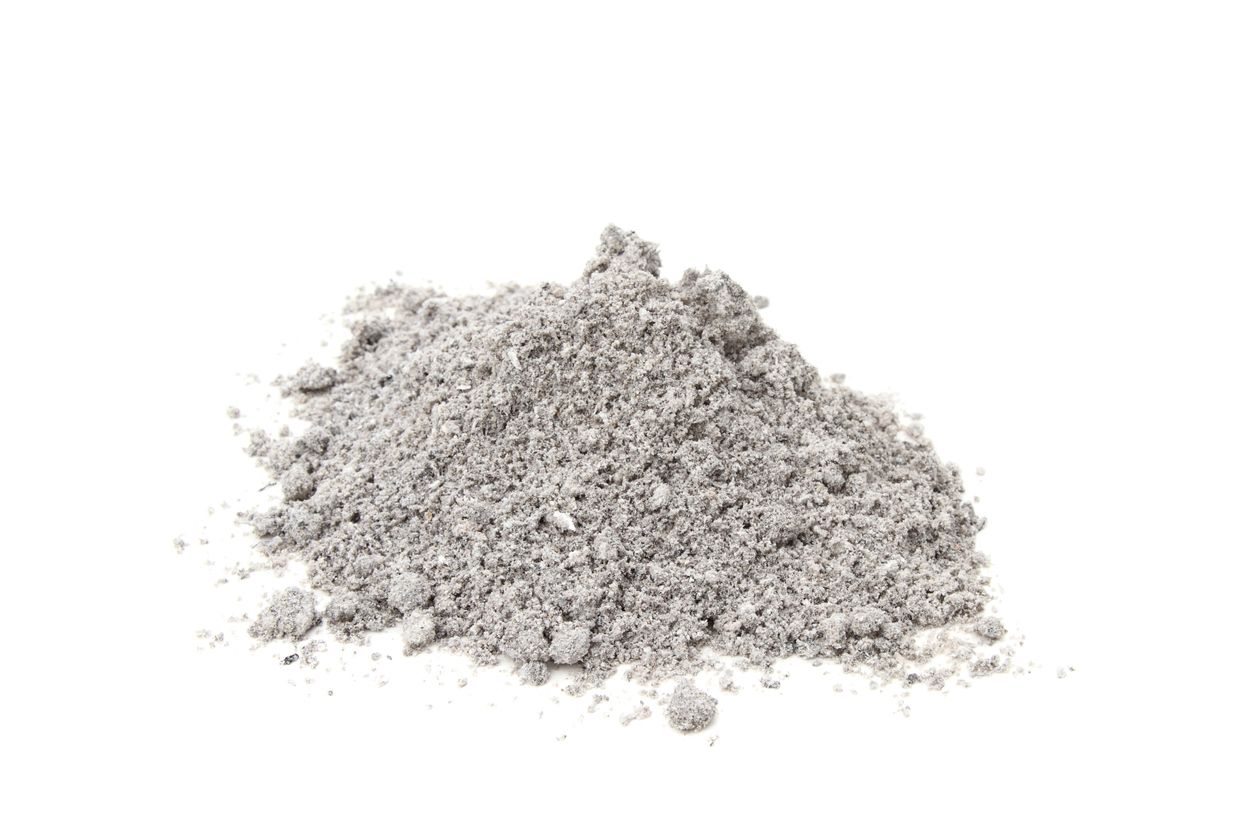
Although most people use the term "ashes," cremated remains are not the same as the ash left behind after burning wood or paper. During cremation, soft tissues are reduced through heat, while the mineral components of the skeleton remain.

The material collected after cremation consists primarily of processed bone fragments containing naturally occurring minerals such as calcium and phosphate. These fragments originate from the body after the cremation process has taken place within the retort, the specialized chamber used for cremation.

Once collected, the remaining bone fragments are further processed using a machine called a cremulator, which reduces larger fragments into the finer, uniform texture families typically recognize as cremated remains.

Because every individual is different, the appearance and texture of cremated remains may vary slightly. These natural differences do not indicate a problem with the cremation process.

What Happens During the Post-Cremation Collection Process?

The answer to how ashes are collected after cremation involves several carefully managed steps.

First, after cremation is finished, the retort and its contents must cool before the cremated remains can be safely handled. Once the cooling period is complete, trained personnel carefully collect the remaining bone fragments from the chamber.

At this stage, any non-combustible materials that remain are separated from the cremated remains. Depending on the individual and any medical history, this may include certain metal components associated with surgical implants that did not combust during cremation.

The collected bone fragments are then processed through a cremulator. This equipment reduces larger fragments into the fine, consistent material most families expect to receive.

Equally important is identification tracking. Ontario cremation providers follow established identification procedures to ensure remains remain properly associated with the deceased throughout the process. Many crematories use an identification disc or similar tracking system that accompanies the deceased through cremation and post-cremation handling.

Once processing is complete, the cremated remains are placed into an appropriate temporary container or into a permanent urn if one has been selected in advance.

One misconception families sometimes have is that cremated remains are simply swept out and immediately returned. In reality, the collection and processing stages are deliberate procedures designed to ensure respectful handling, accurate identification, and proper preparation before release.

How Are Cremated Remains Returned to the Family in Ontario?

After processing is finished, cremated remains are released according to the authorization and arrangements made during the cremation process.

The remains are typically placed in a temporary container unless a permanent urn has been selected beforehand. If a family has chosen an urn, the cremated remains may be transferred into that container prior to release, depending on the arrangements that have been made.

Documentation and identification procedures help ensure the cremated remains are properly associated with the deceased before they are released to the authorized individual.

For families arranging cremation services, understanding how the return process works can remove uncertainty and make planning easier. Working with an experienced crematorium serving Ontario can help ensure families receive clear guidance regarding documentation, timelines, and available options throughout the process.

What Must Be Removed Before Cremation?

Before cremation can take place, certain medical devices must be identified and addressed for safety reasons.

Pacemakers and implantable cardioverter-defibrillators (ICDs) require removal before cremation because they can react to high temperatures and create safety risks for personnel and equipment. Information about these devices is typically gathered during the authorization and preparation stages before cremation occurs.

It is important to understand that not every implant requires removal. Some medical implants, prosthetic components, and joint replacements may remain in place during cremation and can later be separated from the cremated remains during post-cremation processing if necessary.

This distinction is important because many families mistakenly believe that all implants are removed beforehand. The actual requirements depend on the specific device and applicable safety considerations.

By reviewing medical information before cremation begins, providers can identify any devices that require special handling and ensure the process proceeds safely and appropriately.

Understanding the Cremated Remains Collection Process

Understanding how ashes are collected after cremation can provide reassurance during a difficult time. The process involves much more than simply removing material from a cremation chamber. From cooling and collection to cremulator processing, identification tracking, and packaging, every step is designed to ensure respectful and accurate handling of the deceased's remains.

Families also have choices regarding temporary containers, permanent urns, and how cremated remains will be received following cremation. When questions arise about the process, documentation, or available options, Sensible Choice can provide guidance and support to help families make informed decisions with confidence.

Recent Posts

A Sensible Approach

funeral director close up with hands folded
By Kinship Admin • October 7, 2026
Learn how to choose a licensed funeral home or cremation provider in Ontario. Compare BAO licensing, services, and direct cremation options with confidence.
cremation urn being delivered
By Kinship Admin • September 29, 2026
Unsure if you must pick up cremated remains? Discover your options, including delivery, temporary holding, Ontario regulations, and final resting place choices.
By Kinship Admin • September 24, 2026
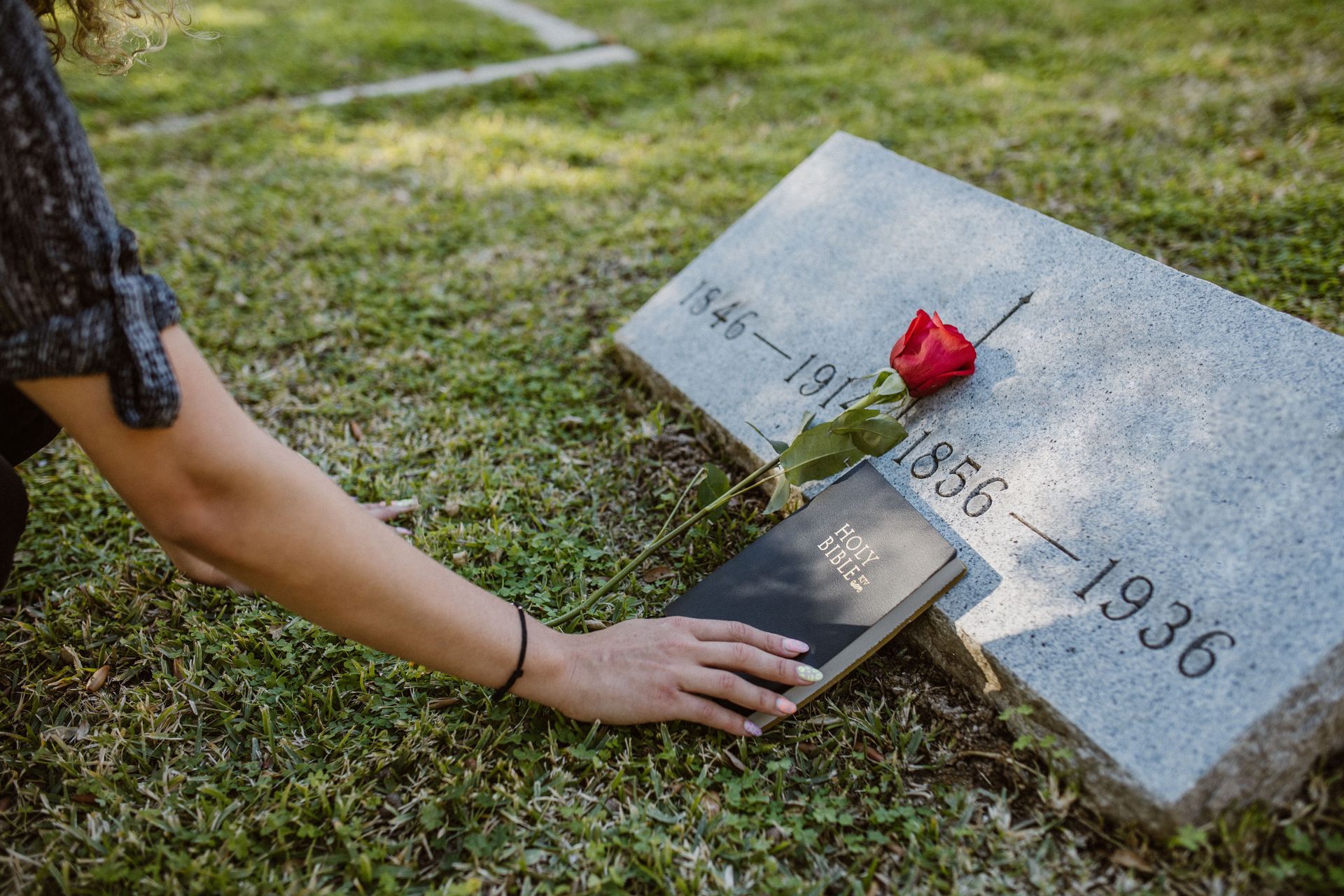
Yes, many people bury cremated ashes. Cremated remains can be interred in a cemetery plot, placed in a dedicated urn garden or buried in an existing family grave when permitted by the cemetery. Families often ask, do people bury cremated ashes? The answer is a reassuring yes, as burying ashes gives families a permanent and identifiable place to visit, remember and honour their loved one. ​ In Ontario, the burial of human remains, including cremated remains, is not permitted outside a licensed cemetery. This means families generally cannot bury an urn in a residential backyard or on other private land unless the property has formally been established as a licensed cemetery.
By Kinship Admin • September 17, 2026
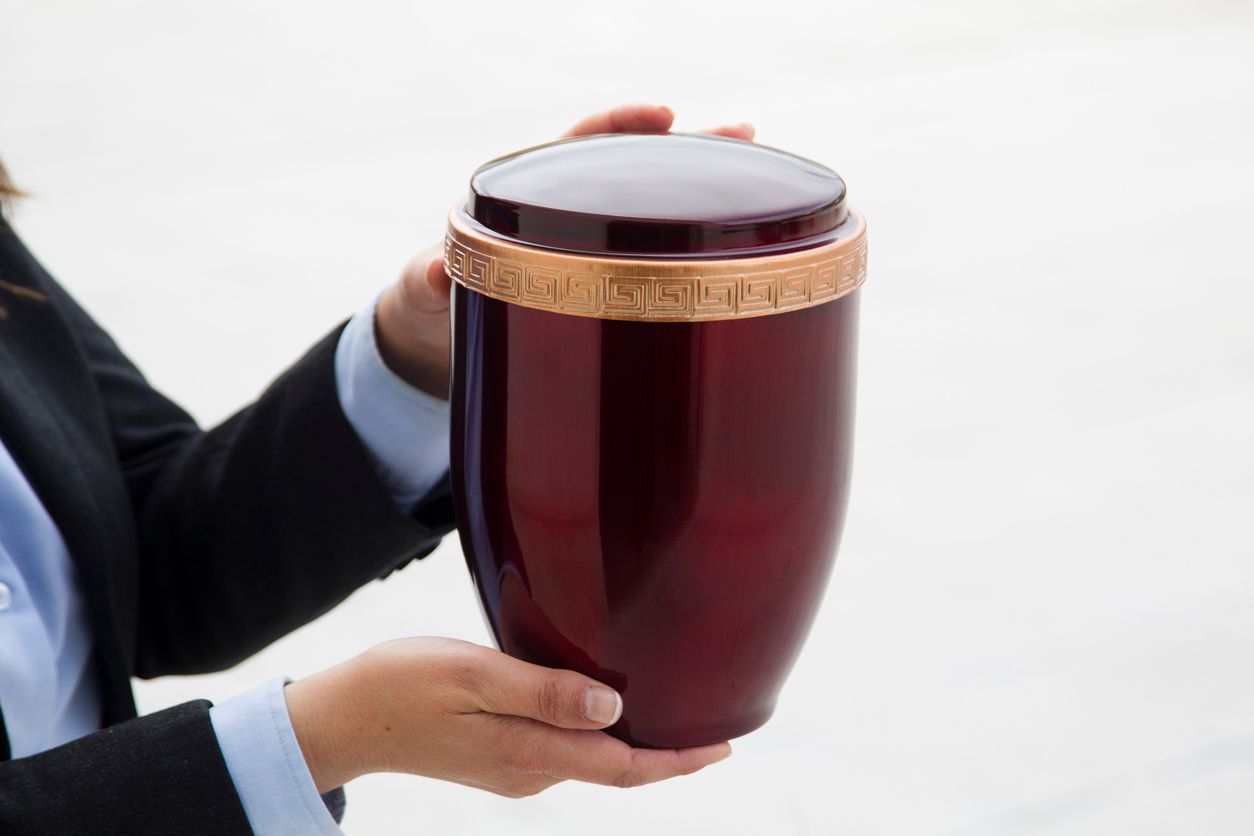
One of the most common questions families ask after a cremation is: how heavy are ashes after cremation? Whether you are choosing an urn, planning a memorial, arranging transportation, or simply trying to understand what to expect, knowing the typical weight of cremated remains can help you make informed decisions during an already difficult time. In most cases, adult cremated remains weigh between 1.5 and 3 kilograms (approximately 3 to 7 pounds), with many adults falling closer to the 2 to 2.5 kilogram range. However, several factors can influence the final weight. Understanding those factors can make selecting an urn, transporting remains, and planning memorial options much easier.

cremation service 5 star review
By Kinship Admin • September 10, 2026
Choosing a cremation service in Ontario? Discover how to verify BAO licensing, compare transparent pricing, and ensure compassionate care for your loved one.
cremated ashes in a pile on a white background
By Kinship Admin • September 8, 2026
Do cremated ashes decompose? Learn why they don't biologically decay, how to store them properly, and how environmental factors impact cremated remains over time.

By Kinship Admin • September 1, 2026
Many Ontario funeral homes publish obituary listings directly on their websites for public access. This article serves as a practical guide to help you search obituaries efficiently across the province of Ontario. Specifically, we focus on how to locate service details and search obituary listings through Sensible Choice Cremation & Funeral Services, ensuring you can find memorial information and offer support to grieving families.
By Kinship Admin • August 25, 2026
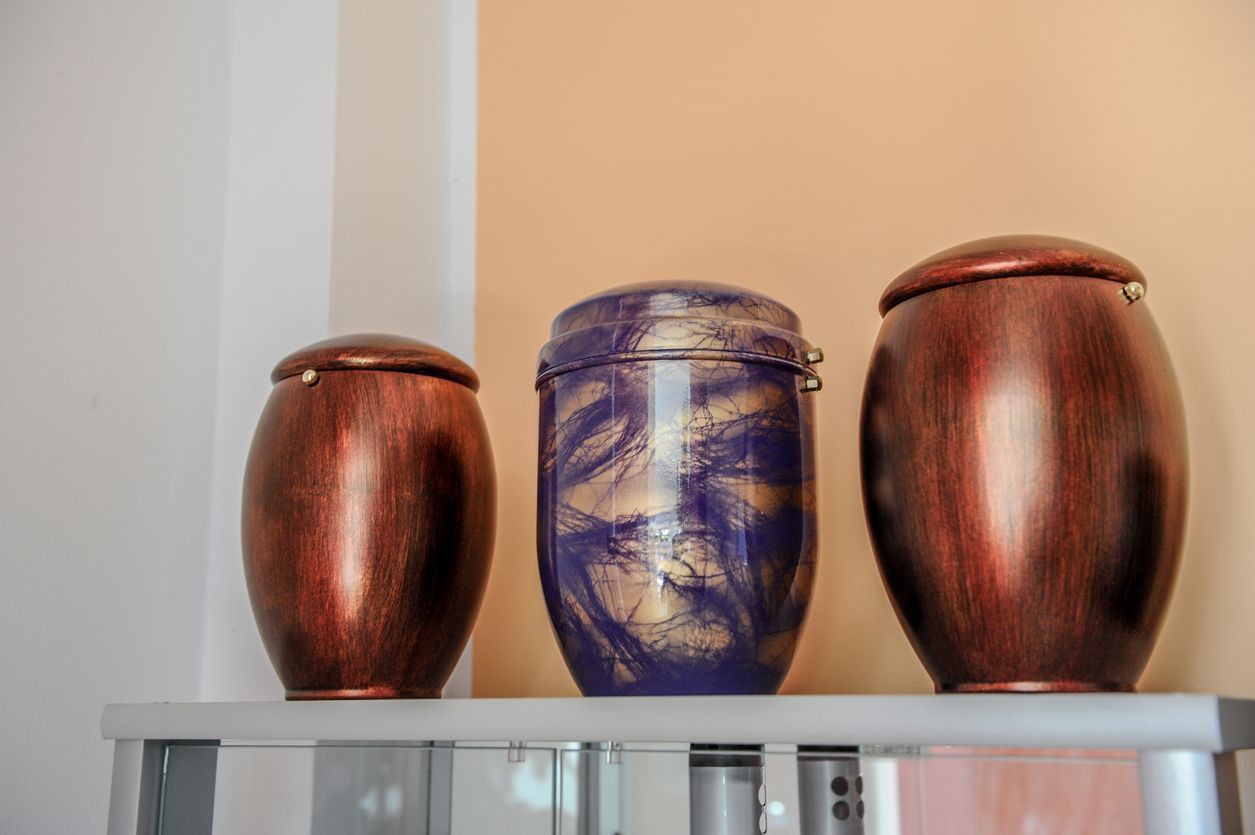
Can cremated ashes be divided? Yes. Learn about the legal and practical steps for separating remains to create respectful, personal memorials for your loved ones.
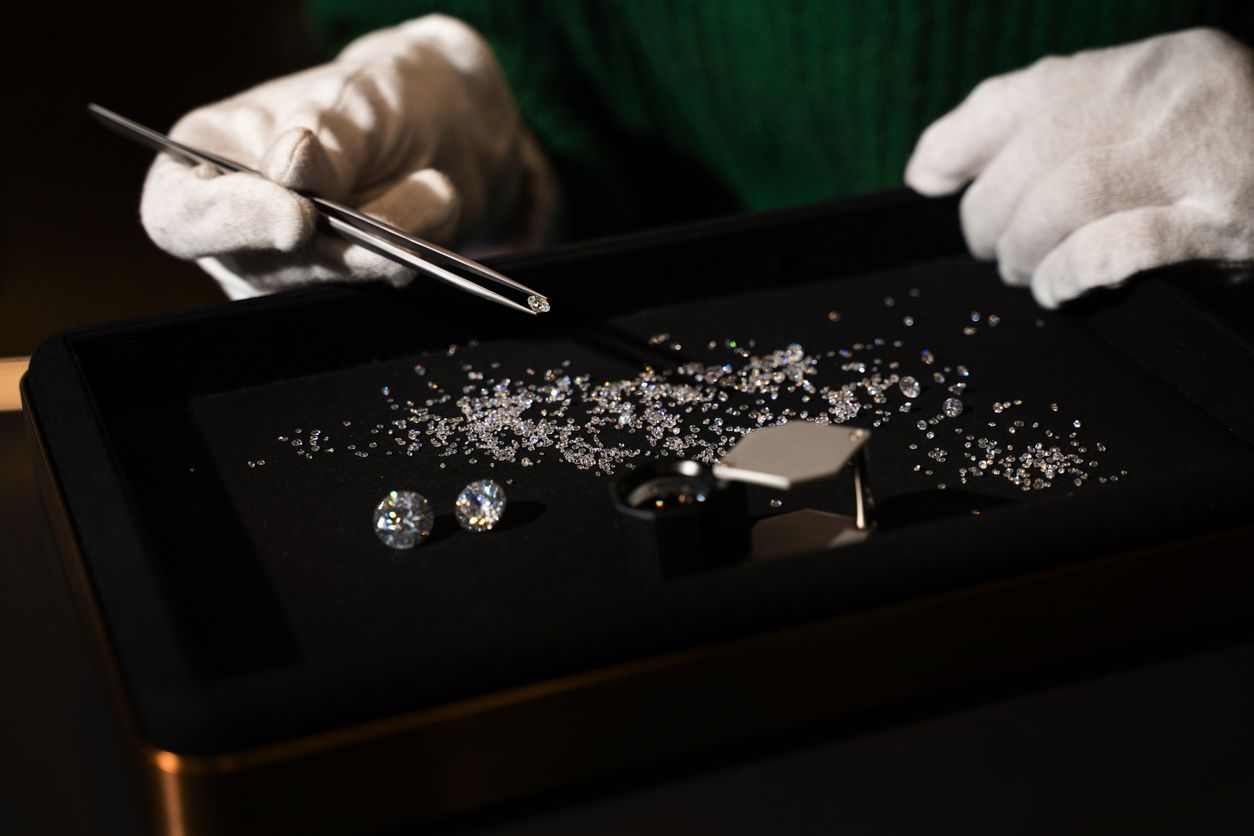
Gemologist holds a small diamond with tweezers for precise inspection and sorting
By Kinship Admin • August 18, 2026
Thinking of turning cremated ashes into diamonds? Learn about the process, how to verify provider claims, and key considerations for Canadian families.

By Kinship Admin • August 11, 2026
Wondering if you can spread ashes in the ocean in Canada? Learn about the legal requirements, planning steps, and environmental best practices for a meaningful water memorial.

By Kinship Admin • July 30, 2026
Can you travel internationally with ashes? Yes, you can. Bringing a loved one to their final resting place across borders is a meaningful step. It is possible provided you follow the specific guidelines set by airport authorities, airlines, and your destination country. Navigating international travel with ashes requires careful preparation. You must verify CATSA (Canadian Air Transport Security Authority) screening requirements, airline baggage policies, and the entry rules of any connecting countries. Approval is never guaranteed simply by arriving at the departure gate. Planning ahead is the best way to ensure a smooth journey out of Toronto or any other Canadian departure city.
By Kinship Admin • July 2, 2026
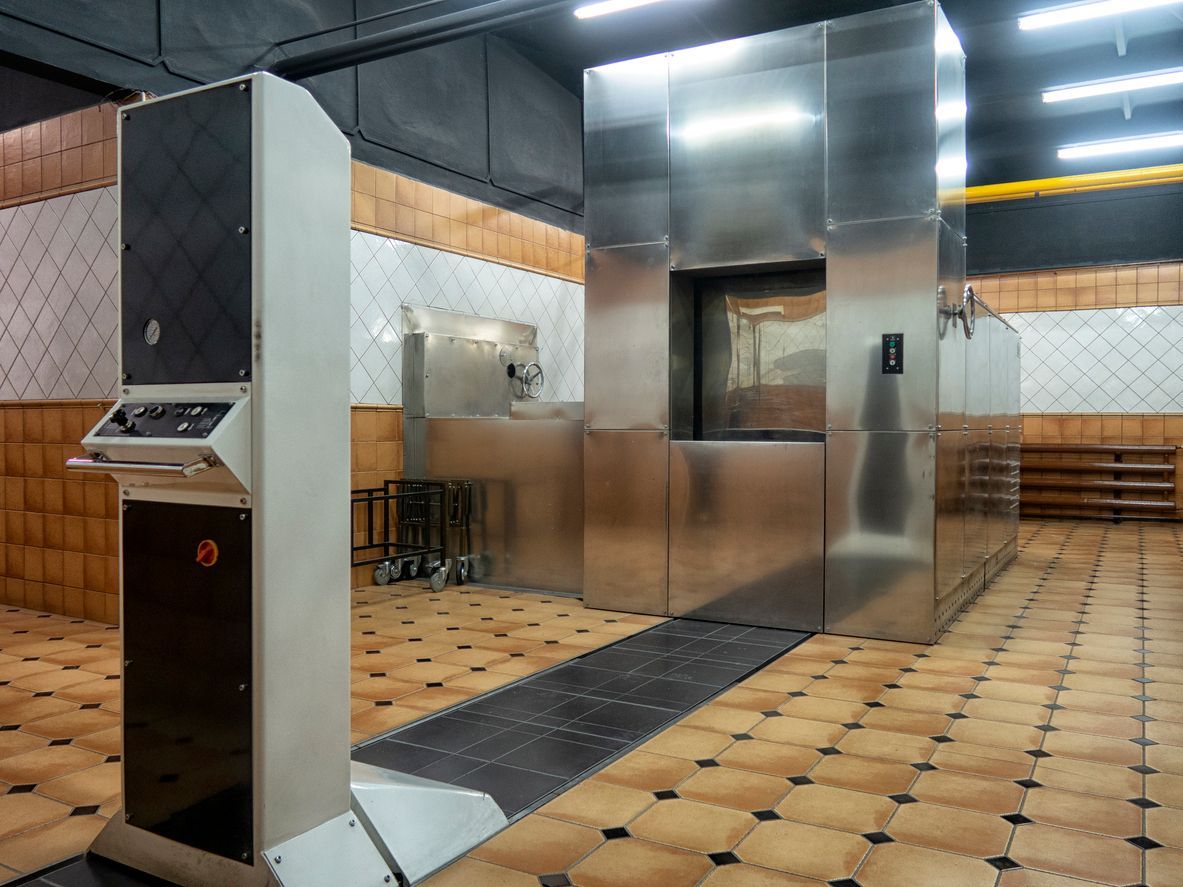
Cremation is a carefully managed process where the deceased is identified, prepared, placed in an approved cremation container or casket, and then cremated in a specialized chamber using high heat. Afterward, the remaining bone fragments are cooled, processed into cremated remains, and placed in a temporary container or urn for the family. Many families choose cremation because it is simple, flexible, and often more affordable than traditional burial. While the procedure can feel unfamiliar, every step is handled with dignity, legal oversight, and strict identification procedures to ensure peace of mind.

Show More