

How Heavy Are Ashes After Cremation?

September 17, 2026

Share this article

funeral director and elderly couple going over processes

One of the most common questions families ask after a cremation is: how heavy are ashes after cremation? Whether you are choosing an urn, planning a memorial, arranging transportation, or simply trying to understand what to expect, knowing the typical weight of cremated remains can help you make informed decisions during an already difficult time.


In most cases, adult cremated remains weigh between 1.5 and 3 kilograms (approximately 3 to 7 pounds), with many adults falling closer to the 2 to 2.5 kilogram range. However, several factors can influence the final weight. Understanding those factors can make selecting an urn, transporting remains, and planning memorial options much easier.

Key Takeaways

  • Adult cremated remains typically weigh between 1.5 and 3 kg (3 to 7 lbs).
  • Bone mass and bone density have a greater impact on cremated remains weight than overall body composition.
  • Cremated remains are primarily processed bone fragments, not ash in the traditional sense.
  • Standard urns often hold approximately 200 cubic inches, which suits many adults, but capacity should always be confirmed.
  • When travelling by air, cremated remains must pass security screening and be transported in an appropriate container.

Use This Quick Cremation Provider Checklist

When comparing options, creating a structured checklist of cremation providers helps keep details organized. You want to confirm their provincial licensing first, then request their pricing structure to ensure all costs are clear. Check exactly what each cremation package includes, covering everything from transfer coverage and the crematorium location to identification protocols and documentation. Review the timing expectations and the method for the return of remains. Knowing the right questions to ask a cremation provider ensures you understand the support available and the exact terms of the written contract. Do not sign any paperwork until unclear charges and responsibilities have been thoroughly explained.

Typical Weight of Adult Cremated Remains

For most adults, the cremated remains weight falls between 1.5 and 3 kilograms (3 to 7 pounds). A common average for adult cremated remains is around 2 to 2.5 kilograms.

Many people are surprised that the remains weigh more than expected. This is because cremation removes water and soft tissue, while the skeletal structure remains. After the cremation process, the remaining bone fragments are carefully processed into what families commonly refer to as ashes.

A practical rule of thumb often used within the funeral and cremation profession is that cremated remains may weigh approximately 3.5% of a person's body weight. For example, a person who weighed 180 pounds may produce roughly 6.3 pounds of cremated remains. While useful for planning purposes, this should be viewed as an estimate rather than an exact calculation.

What Affects the Weight

Several factors influence the final weight of cremated remains.

The most significant factor is skeletal size. Larger individuals generally have more bone mass, which means there is more material remaining after cremation. Bone density also plays an important role. People with denser bones often produce heavier cremated remains than those with lower bone density.


Age can affect the outcome as well. Older adults may have experienced natural bone density loss over time, which can slightly reduce the final weight. Medical implants are another consideration. Metal implants, such as joint replacements, are typically removed during post-cremation processing and therefore do not contribute to the final weight of the remains.


While families often focus on overall body weight, the amount and density of bone are generally more influential than soft tissue composition when determining how much ashes weigh after cremation.

Children and Infants

When cremation involves children or infants, the resulting remains are significantly lighter because of smaller skeletal development. In some infant cases, the weight may be only a few dozen grams. Families navigating these circumstances often receive guidance regarding appropriately sized keepsake urns, memorial jewellery, or other commemorative options based on the amount of remains returned.

What Cremated Remains Actually Are

Although the term "ashes" is widely used, cremated remains are not the same as the ash left behind by a fireplace or campfire.

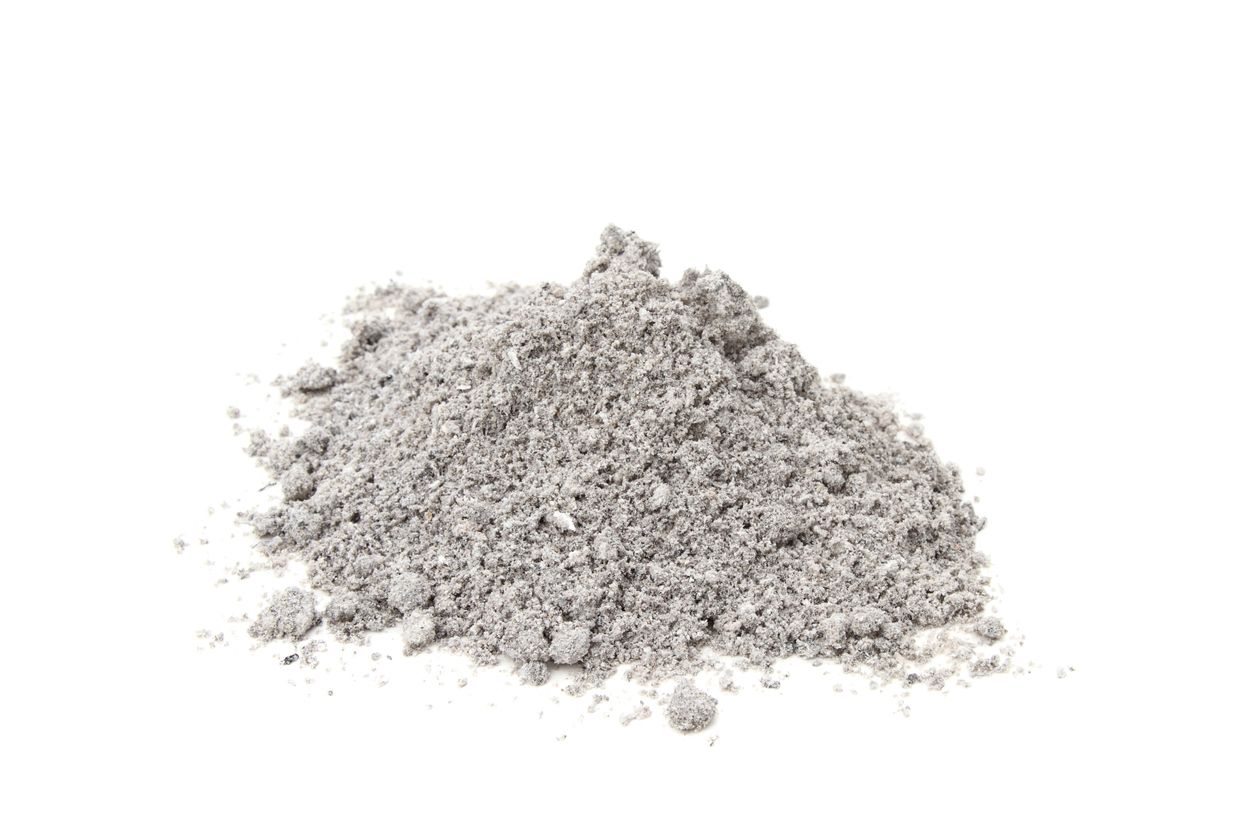
Following cremation, the remaining material consists primarily of calcified bone fragments and mineral compounds, including calcium phosphate. These fragments are cooled and then processed into a fine, uniform consistency. The resulting material is sometimes referred to as cremulated remains.

Understanding this distinction helps explain why the weight of ashes after a cremation in Canada is greater than many people expect. The remains are composed primarily of processed skeletal material rather than lightweight combustible ash.

For families who are unfamiliar with the cremation process, learning more about what to expect at a cremation service can provide additional clarity and reassurance during the arrangement process.

Choosing an Urn Size

Understanding urn capacity is often the practical reason people ask how heavy cremated remains are.

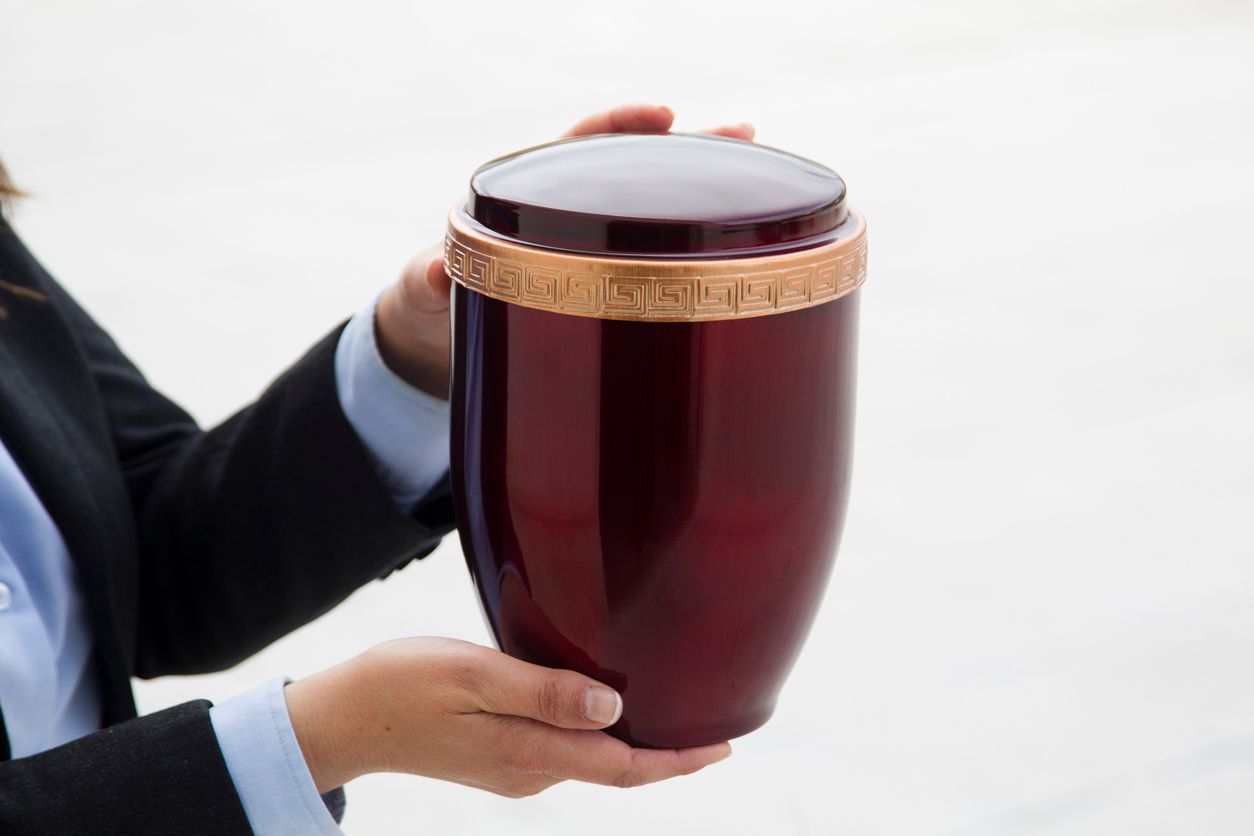
Urns are typically measured by volume rather than weight. A commonly cited guideline is that one pound of pre-cremation body weight requires approximately one cubic inch of urn space. As a result, many standard adult urns have a capacity of around 200 cubic inches, making them suitable for many adults weighing up to approximately 200 pounds.

However, every situation is unique. Individuals with greater skeletal mass may require a larger urn, while families choosing to divide remains among multiple family members may prefer several smaller containers. Rather than relying solely on general rules, it is always wise to confirm the required urn capacity with your funeral provider before making a purchase.

Transporting Cremated Remains

Families frequently need to travel with cremated remains, whether for a memorial service, burial, scattering ceremony, or relocation.

The good news is that the weight itself is rarely a concern. Even the heaviest cremated remains typically fall well within airline carry-on limits. The more important consideration is the container.


In Canada, CATSA requires cremated remains to pass security screening. Containers made from wood, cardboard, cloth, or plastic are generally easier to screen, while metal, ceramic, or stone containers may present challenges because screening officers cannot open the container for inspection.


Travellers should also carry relevant documentation, such as a cremation certificate or death certificate, when required by airlines or international destinations. Airline policies can vary, so it is important to review requirements before departure. CATSA notes that screening requirements apply regardless of supporting documentation.


Quick Travel Checklist

  • Confirm airline requirements before travel.
  • Use an X-ray-friendly container whenever possible.
  • Carry cremation and death-related documentation.
  • Check destination-country requirements for international travel.
  • Allow extra time at security screening.

Frequently Asked Questions

Can Cremated Remains Be Divided Between Family Members?

Yes. Many families choose to divide cremated remains among multiple urns, keepsake containers, or memorial jewellery. There is no single preferred approach. Families can select the option that best reflects their wishes and memorial plans.

How Much Space Do Cremated Remains Take Up?

The volume of cremated remains varies from person to person. While standard adult urns commonly provide approximately 200 cubic inches of capacity, actual volume depends on the specific remains. It is always best to verify capacity requirements before purchasing an urn.

Understanding Cremated Remains: Weight, Urns, Travel and Practical Planning

For most adults, the answer to how heavy ashes are after cremation is between 1.5 and 3 kilograms, though individual factors such as bone mass, bone density, age, and skeletal size can influence the final result. Understanding the typical weight of cremated remains helps families choose an appropriate urn, plan transportation, and make informed memorial decisions with greater confidence.

Get Guidance With Cremation Arrangements in Ontario

Questions about cremated remains often lead to broader decisions about cremation planning, documentation, memorial options, and final arrangements. If you need practical guidance, the team at Sensible Choice can help you understand your options and navigate the process with clarity and care at our experienced Ontario crematorium.

Recent Posts

A Sensible Approach

cremation service 5 star review
By Kinship Admin September 10, 2026
Choosing a cremation service in Ontario? Discover how to verify BAO licensing, compare transparent pricing, and ensure compassionate care for your loved one.
cremated ashes in a pile on a white background
By Kinship Admin September 8, 2026
Do cremated ashes decompose? Learn why they don't biologically decay, how to store them properly, and how environmental factors impact cremated remains over time.

By Kinship Admin September 1, 2026
Many Ontario funeral homes publish obituary listings directly on their websites for public access. This article serves as a practical guide to help you search obituaries efficiently across the province of Ontario. Specifically, we focus on how to locate service details and search obituary listings through Sensible Choice Cremation & Funeral Services, ensuring you can find memorial information and offer support to grieving families.
By Kinship Admin August 25, 2026
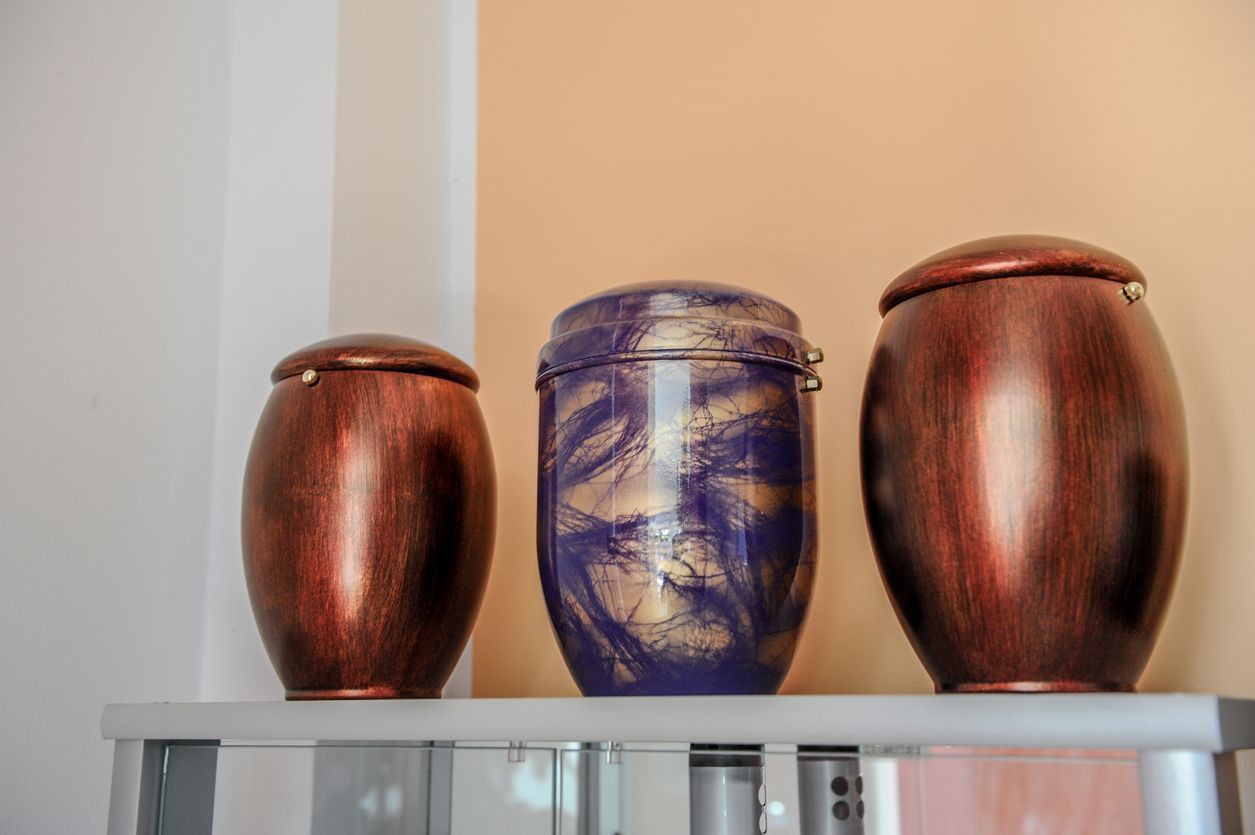
Can cremated ashes be divided? Yes. Learn about the legal and practical steps for separating remains to create respectful, personal memorials for your loved ones.
Gemologist holds a small diamond with tweezers for precise inspection and sorting
By Kinship Admin August 18, 2026
Thinking of turning cremated ashes into diamonds? Learn about the process, how to verify provider claims, and key considerations for Canadian families.

By Kinship Admin August 11, 2026
Wondering if you can spread ashes in the ocean in Canada? Learn about the legal requirements, planning steps, and environmental best practices for a meaningful water memorial.

By Kinship Admin July 30, 2026
Can you travel internationally with ashes? Yes, you can. Bringing a loved one to their final resting place across borders is a meaningful step. It is possible provided you follow the specific guidelines set by airport authorities, airlines, and your destination country. Navigating international travel with ashes requires careful preparation. You must verify CATSA (Canadian Air Transport Security Authority) screening requirements, airline baggage policies, and the entry rules of any connecting countries. Approval is never guaranteed simply by arriving at the departure gate. Planning ahead is the best way to ensure a smooth journey out of Toronto or any other Canadian departure city.
By Kinship Admin July 2, 2026
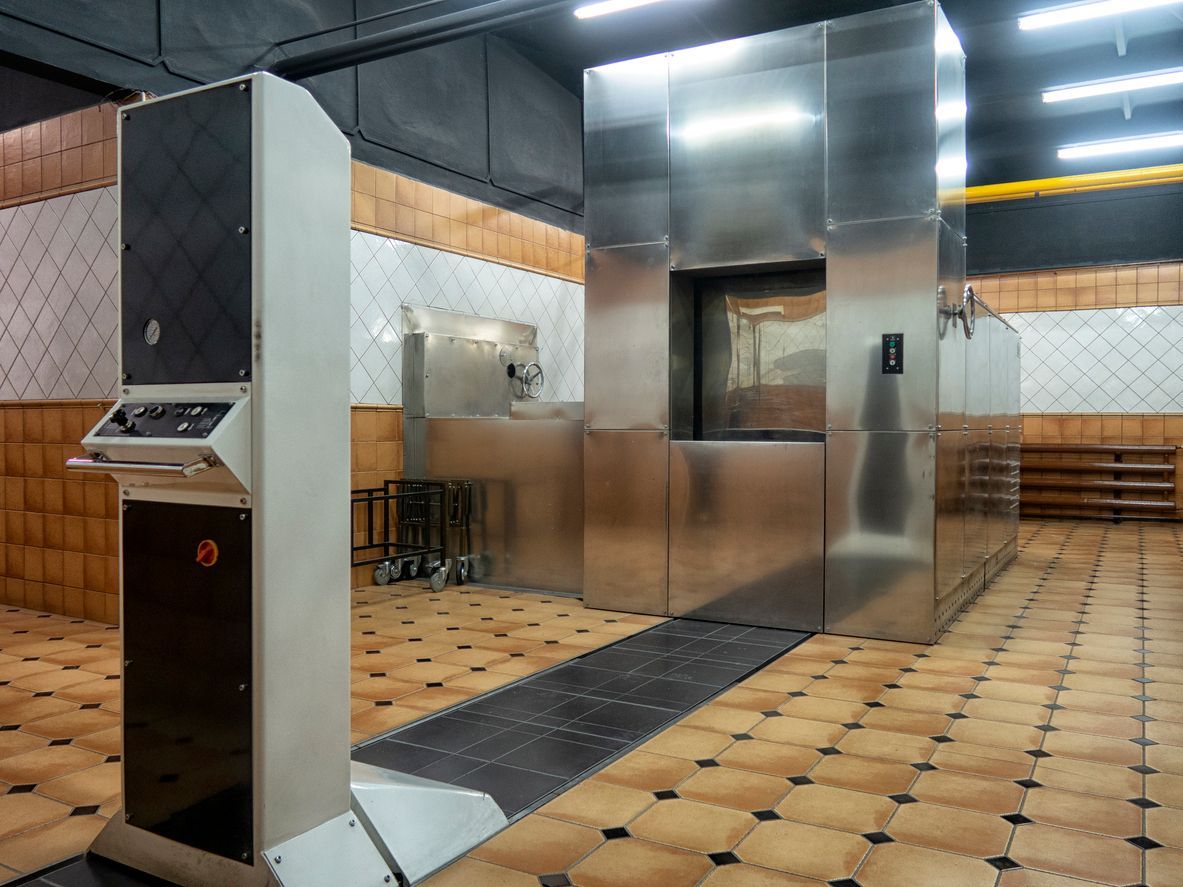
Cremation is a carefully managed process where the deceased is identified, prepared, placed in an approved cremation container or casket, and then cremated in a specialized chamber using high heat. Afterward, the remaining bone fragments are cooled, processed into cremated remains, and placed in a temporary container or urn for the family. Many families choose cremation because it is simple, flexible, and often more affordable than traditional burial. While the procedure can feel unfamiliar, every step is handled with dignity, legal oversight, and strict identification procedures to ensure peace of mind.
By Kinship Admin June 25, 2026
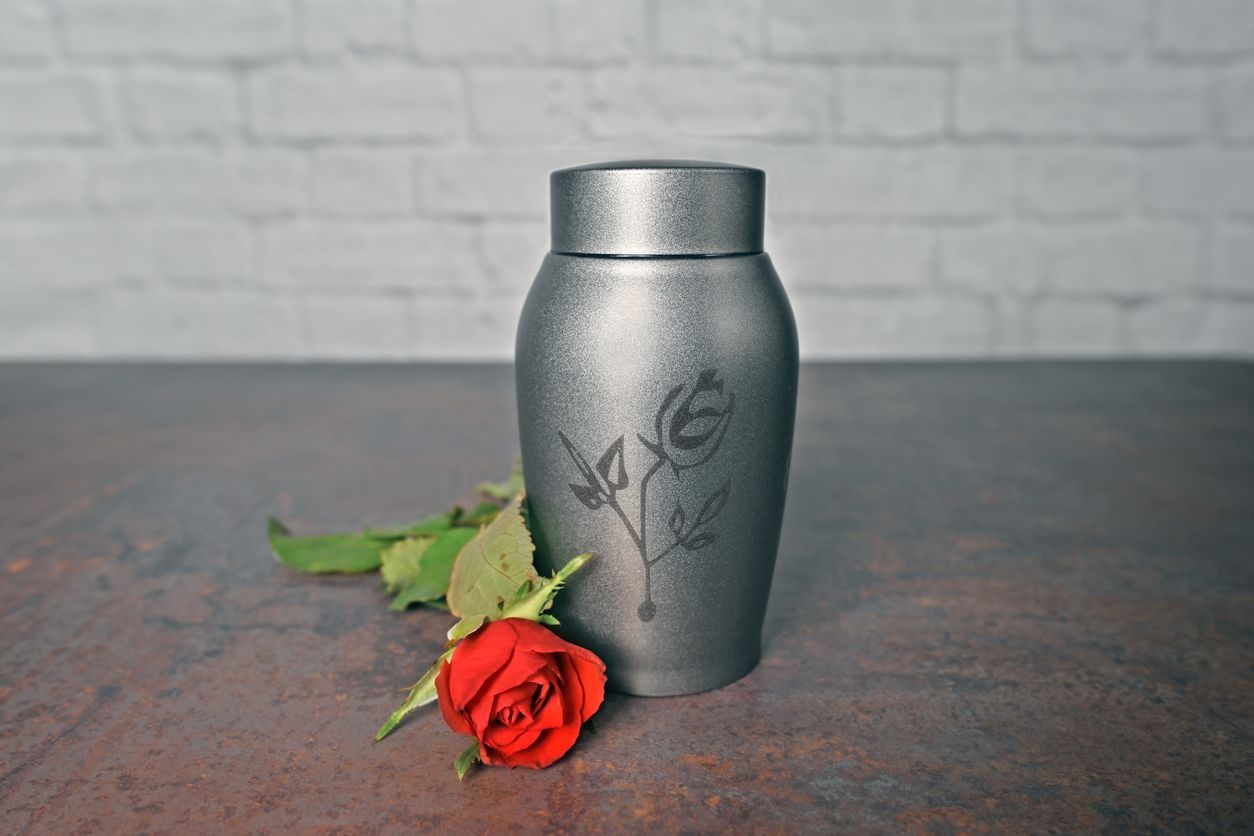
When exploring end-of-life arrangements, many families ask, “What is direct cremation?” Direct cremation is a simple cremation option where the deceased is cremated without a traditional funeral service, viewing, visitation, or mourners present. The provider handles transportation, the required legal paperwork, the cremation process, and the return of the ashes to the family. Families can then hold a memorial, celebration of life, or private gathering at a later time. Often referred to as simple cremation, unattended cremation, or a cremation without a funeral service, this straightforward option gives families total flexibility. It provides an affordable and practical solution, separating the physical disposition from the memorialization. This means loved ones can honour the person in a meaningful way on a date and at a location that feels most appropriate.
By Kinship Admin June 24, 2026
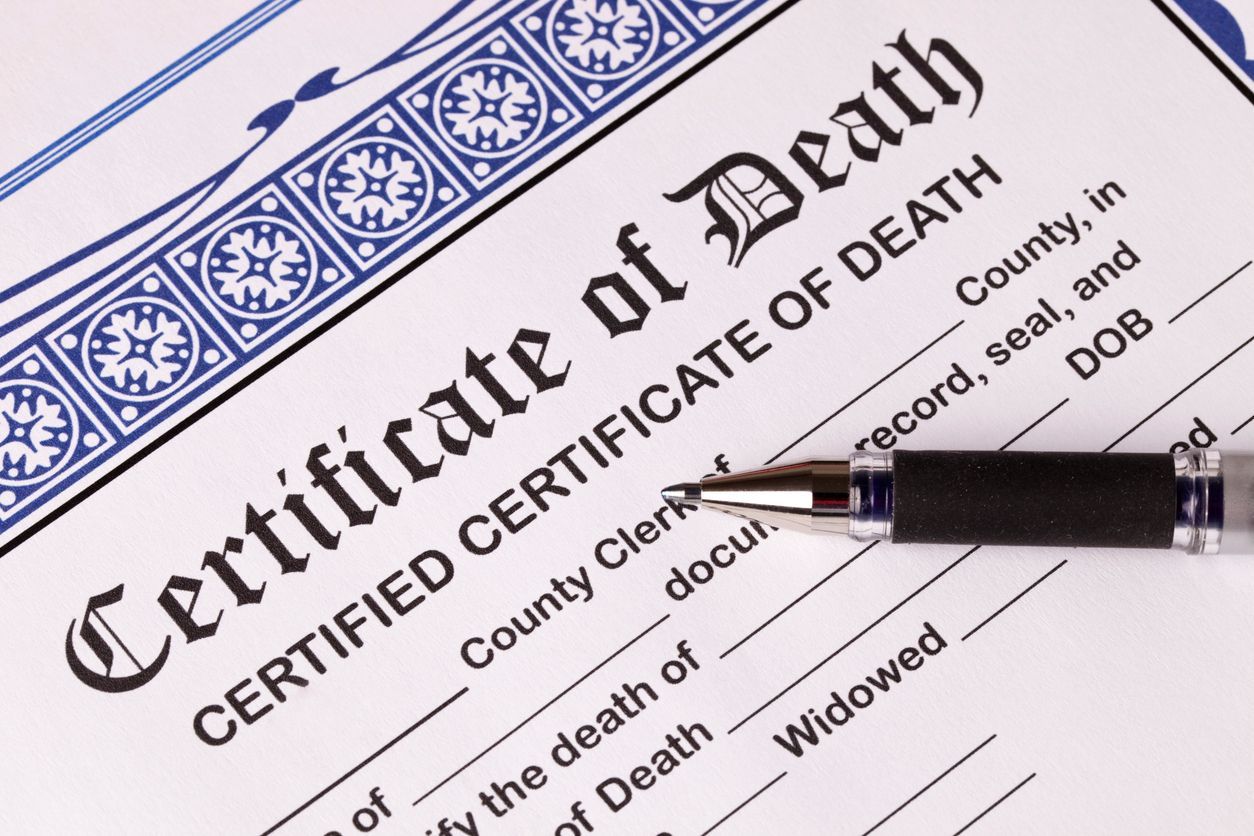
No, a cremation certificate is not the same as a death certificate. A death certificate is an official legal record that confirms a person has died, while a cremation certificate confirms that the cremation has been completed. Families navigating the loss of a loved one often hear both terms during the arrangement process. This overlap can easily create confusion. Each document serves a distinct purpose and will be needed at different stages of managing an estate and finalizing arrangements.
By Kinship Admin June 10, 2026
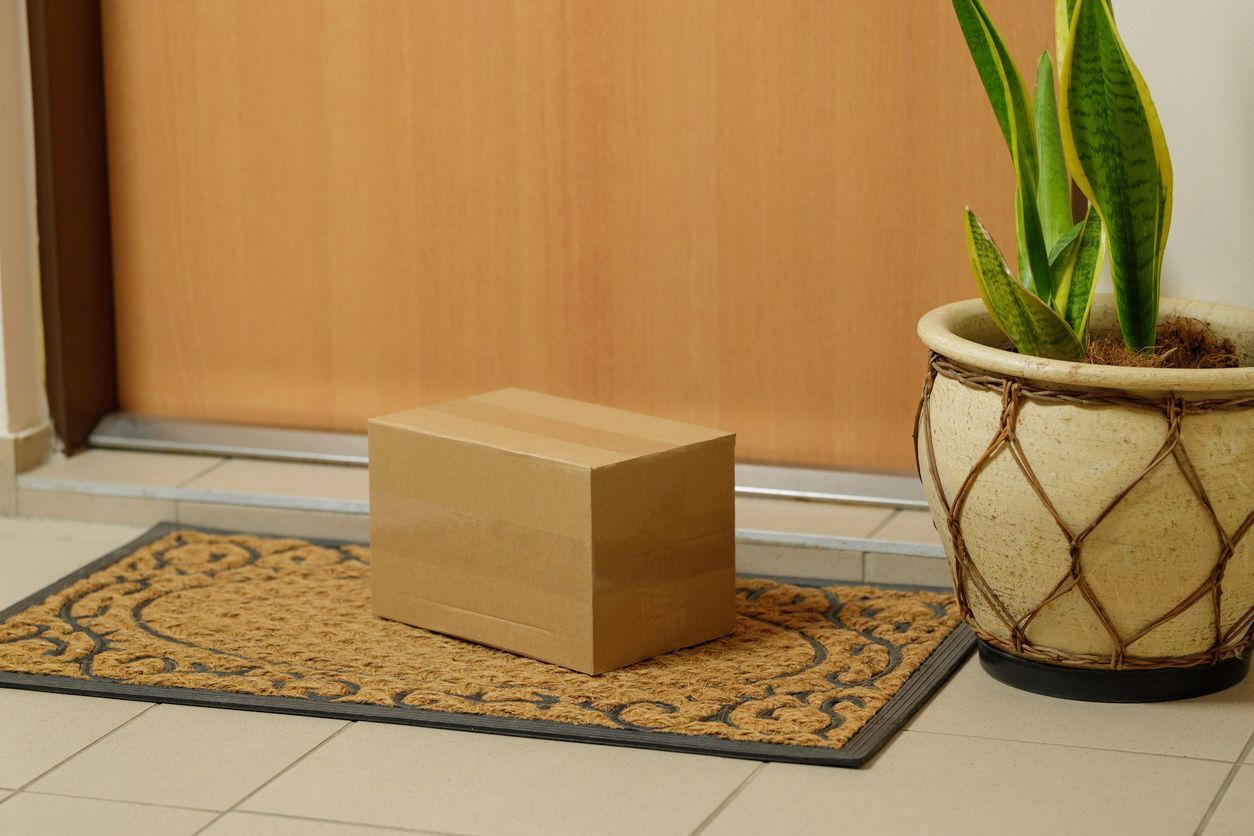
Yes, you can often send cremated ashes through the mail, but they must be packaged securely and shipped in accordance with the postal service's rules and the destination country's regulations. Families should never place ashes in a regular envelope or standard parcel without first checking the mailing requirements. Because rules differ in Canada, the United States, and international destinations, families should confirm all specific requirements before mailing cremated remains. Whether you are sending them to a loved one in Toronto, across the province, or overseas, understanding the exact protocols ensures a safe and respectful journey.

elderly couple meeting with a woman at a laptop
By Kinship Admin May 14, 2026
Find out if social services pay for cremation in Canada. This guide covers eligibility for low-income assistance , what essential costs are included , and how to apply for provincial funeral benefits to ensure a dignified farewell.
Show More