Can Cremated Ashes Be Divided?

August 25, 2026

Share this article

funeral director and elderly couple going over processes

When arranging a memorial for a loved one, many families ask, can cremated ashes be

divided? The direct answer is yes. Families can choose to separate cremated remains into

multiple portions to satisfy various memorial goals. This personal choice depends on the

deceased person's wishes, legal decision-making authority, family relationships, and specific

memorial preferences. Whether you choose to keep the remains together or share them across

different locations, the priority is finding a respectful path that brings comfort to those left behind.

Key Takeaways

  • Dividing cremated remains allows multiple family members to retain a personal memorial.
  • Legal authority in Ontario typically rests with the estate trustee, who guides final decisions.
  • Cultural and religious beliefs play a significant role in determining respectful memorial arrangements.
  • Professional cremation providers can assist with transferring portions into suitable containers.

Is It Okay to Divide Cremated Ashes?

Many families wonder if you can divide cremated ashes without being disrespectful. Presenting

a balanced approach is important because there is no universal moral answer. Keeping the

ashes together in a single resting place provides a centralized location for grieving, while

sharing ashes among family members allows multiple loved ones to feel a personal connection.

Family preferences often differ, and portions certainly do not need to be equal. Families should

take the necessary time before deciding, focusing on respectful handling and thoughtful

memorialization that honours the person who has passed away. Dividing ashes is a personal

memorial decision and is not automatically disrespectful.

Why Do Families Divide Cremated Ashes?

There are several practical, emotional, and logistical reasons why splitting cremated ashes is a

common practice for families in Toronto and beyond.

Several Relatives Want a Personal Memorial


It is very common for children, spouses, siblings, or other close relatives to each desire a

tangible connection to their loved one. By separating cremated remains, each family member

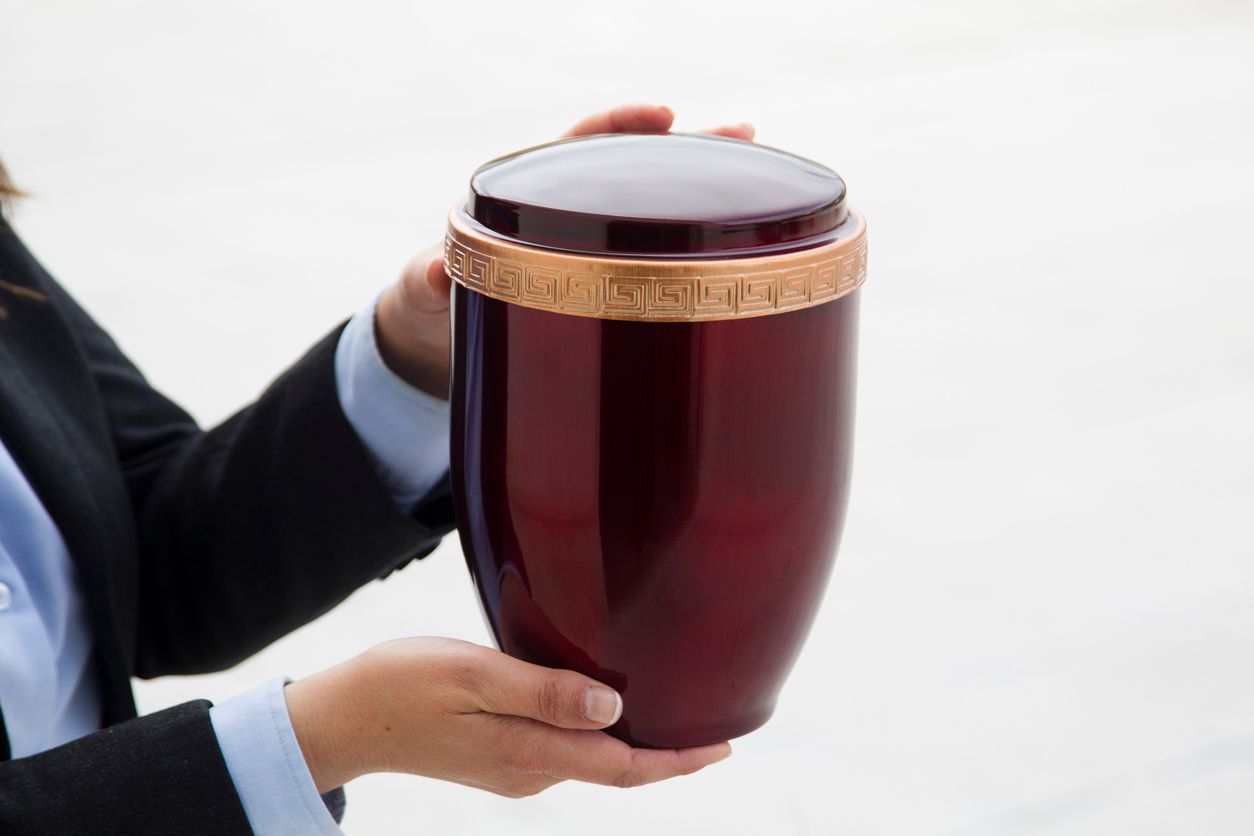
can receive a portion to keep in a keepsake urn or another approved memorial container,

allowing everyone to grieve and remember in their own way.

Family Members Live in Different Places

Distance between relatives can greatly affect memorial decisions. When families are spread

across Ontario, Canada, or internationally, a single physical memorial might not be accessible

to everyone. In these situations, families may choose to send portions to relatives in different

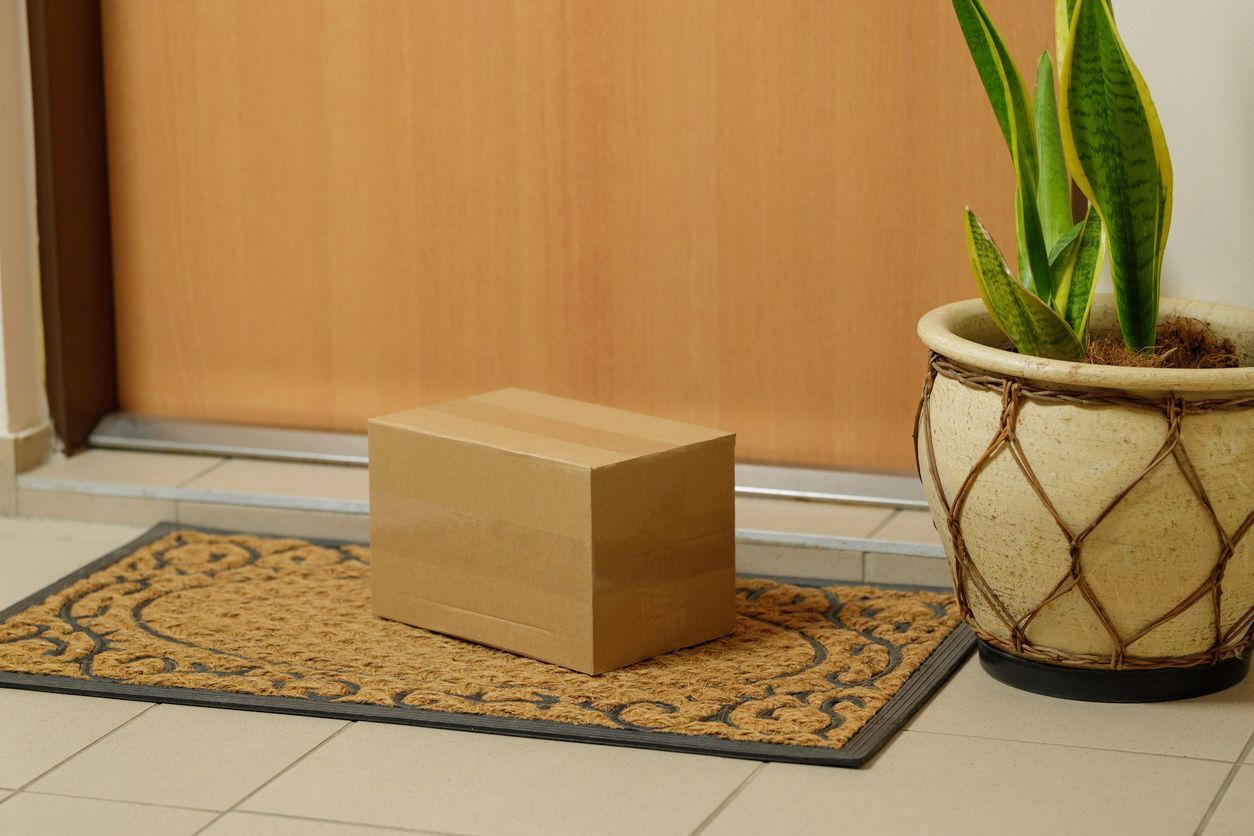
cities or provinces. If you plan to send a portion away, you must carefully research the

transportation and mailing requirements for that specific region. You can learn more about

safely mailing cremated ashes through approved postal channels to ensure the package arrives

securely.

The Family Wants More Than One Memorial

Sometimes, a single tribute does not capture the full scope of a loved one's life. Families

frequently combine different memorial options. You might choose home storage for one portion,

arrange a cemetery or columbarium interment for another, and place a small amount in

cremation jewellery. Families also often ask, can part of the ashes be scattered? Yes, reserving

a portion for scattering in an approved location while keeping the rest for a future memorial

service is a meaningful way to fulfill multiple memorial goals.

The Deceased Requested Multiple Memorials

Before making any final choices, it is vital to review any written instructions, pre-arrangements,

or clearly communicated wishes left by the deceased. A loved one may have specifically

requested that a portion of their ashes be placed in a family plot while another portion is

scattered at a favourite location. Respecting these documented requests helps guide the family

toward a unified decision.

Is It Wrong, Disrespectful, or Bad Luck to Separate Ashes?

When navigating grief, people often ask if it is wrong to separate ashes or if it is bad luck to split

ashes. It is important to approach these questions calmly, recognizing that religious, cultural,

spiritual, and individual views differ widely. Some traditions hold that a body must remain whole

and undisturbed, while other cultures embrace sharing remains as a beautiful symbol of lasting

connection. There are no universal facts regarding respect, spirits, or luck in this context. If

religious guidance is important to your family, it is wise to consult an appropriate Canadian faith

leader to verify any faith-specific practices and find peace in your decision.

Is It Legal to Divide Cremated Ashes in Canada?

Many people ask if it is legal to divide ashes in Canada. For families in Toronto and across

Ontario, the authority over cremated remains generally rests with the legally authorized estate

trustee. The answer ultimately depends on the will, court appointments, and the family's specific

circumstances. Do not assume that every relative or the next of kin automatically has equal

authority to make these choices.

A cremation provider or funeral director may ask for documentation establishing authority, such

as a valid will or a court order, before proceeding. The final use of each portion may also be

affected by cemetery rules, municipal restrictions, property permissions, and regional laws. If

you are handling remains in other provinces or territories, legal authority and requirements must

be verified locally.

Disclaimer: This section provides general information and does not constitute legal advice.

Authority and requirements depend on your family's unique circumstances and local jurisdiction.

Always seek professional legal guidance before altering or distributing remains when authority is

disputed.

How to Divide Cremated Ashes Respectfully

Understanding how to divide cremated ashes properly ensures the process is handled with the

utmost dignity. Follow these defined steps to navigate the logistics smoothly.

1. Discuss the Plan First

Before opening any containers, confirm who has legal authority and review the deceased

person's wishes. Decide exactly how many portions are needed and agree on the intended

memorial for each portion. Avoid dividing or distributing ashes secretly when other authorized

people are involved, as clear communication prevents misunderstandings.

2. Ask a Cremation Provider About Assistance

Many families are hesitant to handle the remains themselves. You can ask a funeral director or

cremation provider for assistance in transferring the ashes into several containers. Professional

help ensures the environment is respectful and secure. Families should confirm the available

services and related fees directly with their provider.


3. Choose Suitable Containers

Consider secure containers specifically intended for cremated remains. You will need to check

the capacity of full-size urns, keepsake urns for divided ashes, scattering urns, and cremation

jewellery. Be mindful that jewellery typically holds only a small symbolic amount, making it ideal

for large families who want to share a tiny portion of the memory.

4. Label and Record Each Portion

Maintain clear records detailing who receives each portion, the intended final location, and any

related documents. Use clear temporary labelling on all containers. If a portion will be travelling,

ensure that copies of the cremation certificate and death certificate accompany the container.

5. Store or Transport Each Portion Securely

Keep all containers closed, dry, stable, and protected at all times. If you are moving the

remains, direct your attention to airline, postal, customs, and destination requirements before

initiating transport. Understanding the specific rules for transporting cremated remains prevents

unexpected delays and ensures the ashes remain safe.

How Much Ash Should Go in Each Keepsake Urn?

There is no mandatory rule for determining portion sizes, and portions do not need to be equal.

The amount placed in each container depends on the number of recipients, the specific

intended memorial, and the capacity of each chosen container. Some relatives may want a

larger urn for home display, while others may only need a tiny fraction for memorial art. For

more insight into volume and capacity planning, you can read about how much ash is left after

cremation.

What Can Families Do With Divided Ashes?

Once you determine what to do with divided ashes, there are many beautiful ways to honour

your loved one. The table below outlines several common memorialization choices.

Memorial Option Description
Individual Keepsake Urns Small urns kept by different family members in their own homes.
Cemetery Interment Burying a portion in a traditional family plot.
Columbarium Niche Placing a secure urn in a dedicated above-ground memorial wall.
Scattering Releasing a portion in an approved location using a scattering urn.
Wearable Tributes Using a symbolic amount to create cremation jewellery or memorial art.
Eco-Friendly Memorials Using a biodegradable urn for an approved land or water memorial.
Delayed Tributes Keeping a portion secure toplan a memorial service after cremation at a later date.

​Always remember to check the specific local rules for scattering, burial, transportation, and

mailing before proceeding with any of these options.

What Should Families Do When They Disagree?

Disagreements about dividing ashes after cremation can happen during periods of acute grief.

When families disagree, the first step is to identify the person with legal estate authority and to

review any written wishes left by the deceased. It is helpful to allow family members to explain

their emotional concerns openly.

If a resolution is not immediate, postpone any transfer, burial, or scattering until the dispute is

resolved. Dividing the ashes is not the automatic solution to every disagreement. Seeking

guidance from a funeral director, a Canadian faith leader, a grief counsellor, a professional

mediator, or a lawyer can provide neutral support to help the family reach a respectful

consensus.

Should a Cremation Provider Divide the Ashes?

Families often wonder, can a funeral home divide ashes? Utilizing professional assistance is

often more comfortable for families who feel emotionally overwhelmed by the physical process.

A provider can offer meaningful help, such as transferring remains, assessing exact container

capacity, sealing the containers securely, and explaining general storage or documentation

considerations. While these services are common, they are dependent on the facility. You

should contact your chosen professional or explore our cremation services to confirm exactly

what assistance and container preparation options are available to support your family.

Making the Right Choice: Can Cremated Ashes Be Divided?

Navigating the logistics of a loved one's passing is an emotional journey, and asking if cremated

ashes can be divided is a practical step toward healing for many families. Splitting cremated

ashes allows multiple relatives to maintain a personal connection, accommodates geographical

distance, and fulfills diverse memorial wishes. By understanding the legal authority of the estate

trustee in Ontario, respecting individual cultural beliefs, and utilizing professional assistance for

secure container transfers, families can manage this process with dignity. Ultimately, the

decision to separate cremated remains is a deeply personal one, aimed at honouring your loved

one's legacy in the most meaningful way possible.

Recent Posts

A Sensible Approach

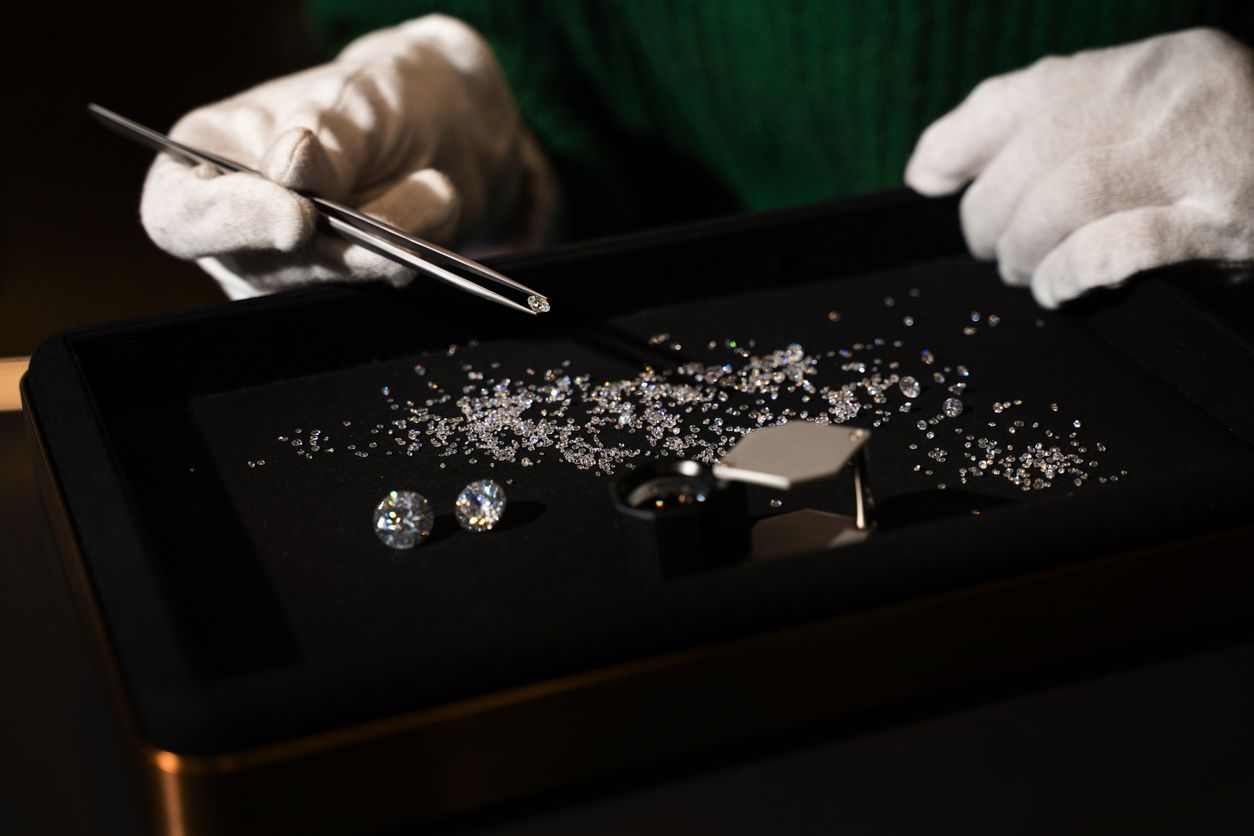
Gemologist holds a small diamond with tweezers for precise inspection and sorting
By Kinship Admin August 18, 2026
Thinking of turning cremated ashes into diamonds? Learn about the process, how to verify provider claims, and key considerations for Canadian families.

By Kinship Admin August 11, 2026
Wondering if you can spread ashes in the ocean in Canada? Learn about the legal requirements, planning steps, and environmental best practices for a meaningful water memorial.

By Kinship Admin July 30, 2026
Can you travel internationally with ashes? Yes, you can. Bringing a loved one to their final resting place across borders is a meaningful step. It is possible provided you follow the specific guidelines set by airport authorities, airlines, and your destination country. Navigating international travel with ashes requires careful preparation. You must verify CATSA (Canadian Air Transport Security Authority) screening requirements, airline baggage policies, and the entry rules of any connecting countries. Approval is never guaranteed simply by arriving at the departure gate. Planning ahead is the best way to ensure a smooth journey out of Toronto or any other Canadian departure city.
By Kinship Admin July 2, 2026
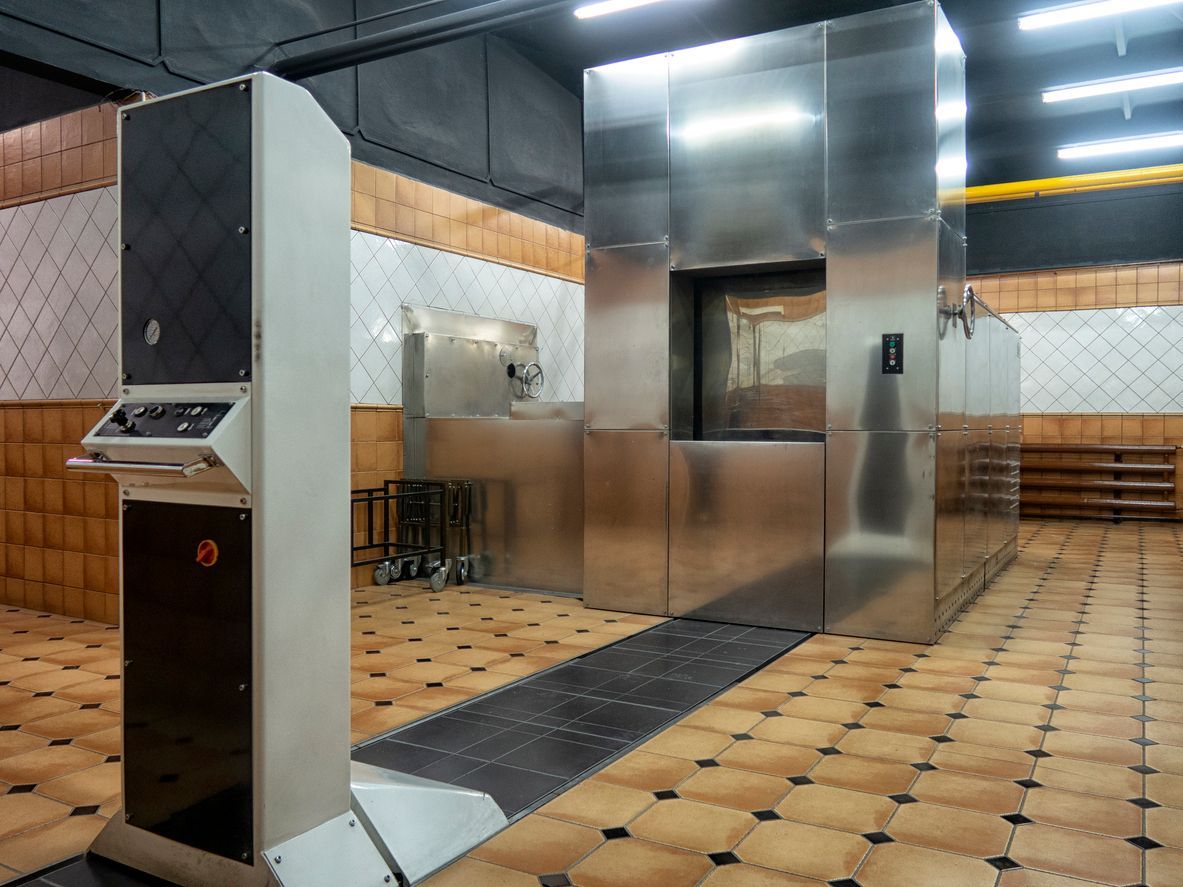
Cremation is a carefully managed process where the deceased is identified, prepared, placed in an approved cremation container or casket, and then cremated in a specialized chamber using high heat. Afterward, the remaining bone fragments are cooled, processed into cremated remains, and placed in a temporary container or urn for the family. Many families choose cremation because it is simple, flexible, and often more affordable than traditional burial. While the procedure can feel unfamiliar, every step is handled with dignity, legal oversight, and strict identification procedures to ensure peace of mind.
By Kinship Admin June 25, 2026
When exploring end-of-life arrangements, many families ask, “What is direct cremation?” Direct cremation is a simple cremation option where the deceased is cremated without a traditional funeral service, viewing, visitation, or mourners present. The provider handles transportation, the required legal paperwork, the cremation process, and the return of the ashes to the family. Families can then hold a memorial, celebration of life, or private gathering at a later time. Often referred to as simple cremation, unattended cremation, or a cremation without a funeral service, this straightforward option gives families total flexibility. It provides an affordable and practical solution, separating the physical disposition from the memorialization. This means loved ones can honour the person in a meaningful way on a date and at a location that feels most appropriate.
By Kinship Admin June 24, 2026
No, a cremation certificate is not the same as a death certificate. A death certificate is an official legal record that confirms a person has died, while a cremation certificate confirms that the cremation has been completed. Families navigating the loss of a loved one often hear both terms during the arrangement process. This overlap can easily create confusion. Each document serves a distinct purpose and will be needed at different stages of managing an estate and finalizing arrangements.
By Kinship Admin June 10, 2026
Yes, you can often send cremated ashes through the mail, but they must be packaged securely and shipped in accordance with the postal service's rules and the destination country's regulations. Families should never place ashes in a regular envelope or standard parcel without first checking the mailing requirements. Because rules differ in Canada, the United States, and international destinations, families should confirm all specific requirements before mailing cremated remains. Whether you are sending them to a loved one in Toronto, across the province, or overseas, understanding the exact protocols ensures a safe and respectful journey.
elderly couple meeting with a woman at a laptop
By Kinship Admin May 14, 2026
Find out if social services pay for cremation in Canada. This guide covers eligibility for low-income assistance , what essential costs are included , and how to apply for provincial funeral benefits to ensure a dignified farewell.
urn arrangement setup at a table
By Kinship Admin May 12, 2026
Learn what to expect at a cremation service , from ceremony steps and proper etiquette to attire and duration. This guide helps first-time attendees participate meaningfully while focusing on honouring the memory of their loved one.
Close up of an airplane
By Kinship Admin May 10, 2026
Understand the legal requirements for transporting cremated remains in Canada. While a permit is typically not required for domestic travel , this guide covers essential documentation , airline X-ray rules for urn containers , and the specific permits needed for international transport.
memorial service in progress
By Kinship Admin May 8, 2026
Plan a meaningful memorial service after cremation with this comprehensive guide. Discover the benefits of flexible timing , step-by-step organization tips , and Canadian regulations for ash scattering to help you create a personalized and dignified tribute.
urn displayed in a forest
By Kinship Admin May 6, 2026
Learn if you can have a cremation without a service in Canada. This guide explains the process of direct cremation, including legal requirements, cost-saving benefits, and the flexibility to plan a memorial or celebration of life at a later date.
Show More