
Can You Spread Ashes in the Ocean?

August 11, 2026

Share this article

funeral director and elderly couple going over processes

Yes, you can spread ashes in the ocean and other Canadian waters, but permission depends

entirely on the exact location you select. Canada does not have a single universal rule

governing every ocean, lake, river, beach, park, marina, or municipality. Families must always

verify local bylaws, property ownership, and environmental policies before making final plans.

Ash scattering is a specific process for releasing processed cremated remains, which is entirely

different from full-body burial at sea or placing a permanent structure in the water.

Key Takeaways

  • Always verify exact location rules with local municipalities, park offices, or the relevant

        harbour authority.

  • Private property, marinas, and chartered vessels require explicit permission from the owner or operator.
  • Avoid crowded areas, swimming zones, and environmentally sensitive habitats.
  • Check wind and water conditions to ensure safety and a respectful release.
  • Only use environmentally responsible, biodegradable materials during your water ceremony.


Is It Legal to Spread Ashes in the Ocean in Canada?

Requirements vary significantly by location and governing authority. There are no blanket laws

on ocean ash scattering that apply everywhere. When asking whether it is legal to scatter ashes

in the ocean, families must consult the specific rules for their chosen destination.

Regulations can depend on provincial or territorial requirements, municipal bylaws, and specific

park policies. You also need to consider conservation area rules, harbour authority guidelines,

marina regulations, and private property ownership. Environmental protections and posted

restrictions always apply.

For families in Toronto and across Ontario, permissions depend on the ownership and

management of the exact location. Scattering ashes in Lake Ontario might be permitted on

certain unoccupied Crown land, but restricted at municipal beaches or regional conservation

areas. You must verify current provincial guidance, municipal bylaws, park rules, conservation

authority policies, harbour requirements, posted restrictions, and private property permission

before stating that scattering is permitted. Do not apply Ontario guidance to other provinces,

and remember that general information should not be taken as legal advice.

How to Spread Ashes in the Ocean or Another Body of Water

Planning a respectful water tribute requires careful preparation. The following numbered steps

provide practical guidance on safely and responsibly scattering ashes in the ocean.

1. Choose a Meaningful and Permitted Location

Begin by determining whether a location is public, private, protected, or controlled by a

municipality, park, conservation area, harbour, or marina. You must avoid crowded swimming

areas, drinking water intake locations, shipping lanes, and environmentally sensitive sites.

Finding a quiet, permitted spot ensures a peaceful experience for your family and respects the

surrounding community.

2. Choose a Scattering Method

Families have several options for water ceremonies. You might choose direct scattering near

the water, using a designated scattering tube, placing ashes in a biodegradable water urn, or

using a permitted boat charter service. The method you select must comply with local and

environmental rules. Direct scattering requires paying close attention to wind, while a water urn

offers a gentle, controlled release.

3. Prepare the Ashes and Container

Keep the cremated remains sealed securely before the ceremony begins. Use a secure, sift-

proof container during transport to prevent accidental spills. If you use a water urn, choose a

product specifically designed for water placement, follow all manufacturer instructions, and

verify local environmental requirements. Never release packaging, permanent decorations,

plastic, or other non-biodegradable materials into the water.

4. Check Weather and Water Conditions

Safety always comes first. Review the marine forecast, wind speed, wave height, temperature,

and visibility before heading out. When releasing loose ashes, position yourself close to the

water and ensure the wind is blowing away from you and your guests. Consider the accessibility

needs of your party, paying special attention to children, older guests, people with mobility

challenges, and anyone prone to seasickness.

5. Conduct the Ceremony Respectfully

Plan the details of the ceremony ahead of time. Decide who will release the cremated remains

and whether you want to include readings, music, prayers, shared stories, or a moment of


silence. Respect environmental protection rules by ensuring you do not leave behind packaging,

balloons, lanterns, artificial flowers, photographs, candles, fabric, plastic, or other waste.

Ocean Ash-Scattering Checklist

Use this reference table to ensure you cover all necessary steps for a responsible water ceremony.

Planning Task Important Details
Verify local rules Check guidelines for the exact location you plan to use.
Obtain Permissions Secure approval for private property, docks, marinas, or vessels.
Select a Safe Area Choose an uncrowded location away from swimmers and shipping lanes.
Choose a Method Ask the destination country consulate about specific entry regulations.
Secure the Ashes Keep the container sealed during all transportation.
Review Conditions Check the marine forecast, wind, and water safety updates.
Confirm Accessibility Verify boat capacity, safety equipment, and guest comfort.
Protect the Enviroment Confirm local laws for burying or scattering ashes at your destination.
Keep a Record Note the date and approximate location for family records.

Can You Scatter Ashes From a Beach, Pier, or Shoreline?

Public access does not automatically mean scattering is permitted. Private beaches, docks, and

piers require direct permission from the owner. Municipal waterfronts, regional parks,

conservation areas, and marinas each have separate rules governing ash scattering. If you find

a permitted shoreline, practice standard water safety and avoid crowded areas. Stay close to

the water surface to reduce wind drift and ensure a respectful release.

Can You Scatter Ashes From a Boat?

If you want to know if you can scatter ashes from a boat, the answer depends on the vessel and

the operator. Private boats and charter operators are subject to specific permissions and local

marine rules. When booking a boat charter, ask the operator clear questions about passenger

capacity, trip length, accessibility, washroom availability, and the supply of life jackets. Review

their cancellation policies and weather procedures. You should also ask whether the operator

records the approximate ceremony location, as many families appreciate keeping those

coordinates.

Do You Need a Biodegradable Urn?

Scattering ashes in water in Ontario locations or other Canadian bodies of water does not

always require an urn. Loose-ash scattering directly into the water is a common practice.

However, a biodegradable urn for water burial offers a controlled alternative that slowly

dissolves upon contact with the water.

If you choose this option, select a product designed specifically for water placement and follow

the manufacturer's instructions carefully. Verify local environmental rules and avoid leaving

packaging, permanent decorations, or other non-biodegradable materials in the water.

Remember that an urn labelled biodegradable or water-soluble is not automatically permitted at

every location. Permission, posted restrictions, bylaws, park rules, and environmental

requirements still apply.

What Should You Avoid?

To ensure a smooth and respectful experience, keep the following risks in mind.


  1. Scattering without checking local rules and regulations.
  2. Using private property, docks, marinas, or boats without explicit permission.
  3. Scattering near swimmers, crowded beaches, or restricted shipping zones.
  4. Proceeding during high winds, rough water, or poor marine conditions.
  5. Throwing ashes upward, which causes them to blow back onto guests.
  6. Standing unsafely near the edge of a vessel or a slippery shoreline.
  7. Leaving non-biodegradable materials, plastics, or decorations behind.
  8. Assuming one municipality’s rules apply across the rest of Canada.

What Can You Include in a Water Memorial?

A water memorial offers a beautiful opportunity to personalize your goodbye. Families often

include readings, prayers, favourite music, or shared memories before the release. A moment of

silence while watching the ashes drift can be very powerful. You might take photographs before

or after the release and record the location coordinates. Many choose to keep a small portion of

the ashes in a keepsake urn, giving them a tangible connection at home. You can also plan a

memorial service after cremation at a local venue to accommodate guests who could not attend

the water ceremony.

Is Scattering Ashes the Same as Burial at Sea?

Scattering cremated remains at sea is entirely different from a traditional sea burial. Ash

scattering involves releasing processed cremated remains or placing a biodegradable urn in

water. Full-body burial at sea involves placing an intact body into the ocean, which is subject to

strict federal environmental laws and requires specific permits. Similarly, creating a permanent

memorial structure in the water involves entirely different regulations. Families choosing

cremation generally find that scattering ashes is a much more accessible and straightforward

process.

Can You Travel With Ashes for a Water Ceremony?

If your chosen location requires travel, you must plan ahead. When travelling by car, keep the

secure container sealed and stored safely. If you are flying, check the airline and airport security

requirements, as the container must be easily X-rayed. You must carry the official cremation

certificate with you at all times. If you need to mail cremated ashes to another province, verify

the specific postal requirements, as standard shipping methods are usually not permitted for

human remains. For international travel, border and destination regulations must be checked

separately to safely transport cremated remains.

Should You Contact a Cremation Provider?

Navigating the details of cremation and memorial planning can feel overwhelming. A

professional cremation provider can offer valuable general assistance. We can guide you on the

available documents you will need, answer transportation questions, and provide secure, sift-

proof containers for travel. For localized advice, safe preparation, and peace of mind, you can

always speak with our cremation specialist to ensure you have everything you need for the

journey ahead.

Navigating Your Water Memorial: Final Thoughts on Ash Scattering

When asking whether you can spread ashes in the ocean, the key is careful planning and local

verification. Ashes at Sea Canada regulations emphasize respect for the environment, public

spaces, and private property. By confirming local rules, checking the weather, and choosing a

safe scattering method, you can create a beautiful, memorable tribute on the water. Sensible

Choice Cremation is here to help Toronto families manage the cremation process with dignity

and clarity, allowing you to focus on honouring your loved one.

Recent Posts

A Sensible Approach

By Kinship Admin July 30, 2026
Can you travel internationally with ashes? Yes, you can. Bringing a loved one to their final resting place across borders is a meaningful step. It is possible provided you follow the specific guidelines set by airport authorities, airlines, and your destination country. Navigating international travel with ashes requires careful preparation. You must verify CATSA (Canadian Air Transport Security Authority) screening requirements, airline baggage policies, and the entry rules of any connecting countries. Approval is never guaranteed simply by arriving at the departure gate. Planning ahead is the best way to ensure a smooth journey out of Toronto or any other Canadian departure city.
By Kinship Admin July 2, 2026
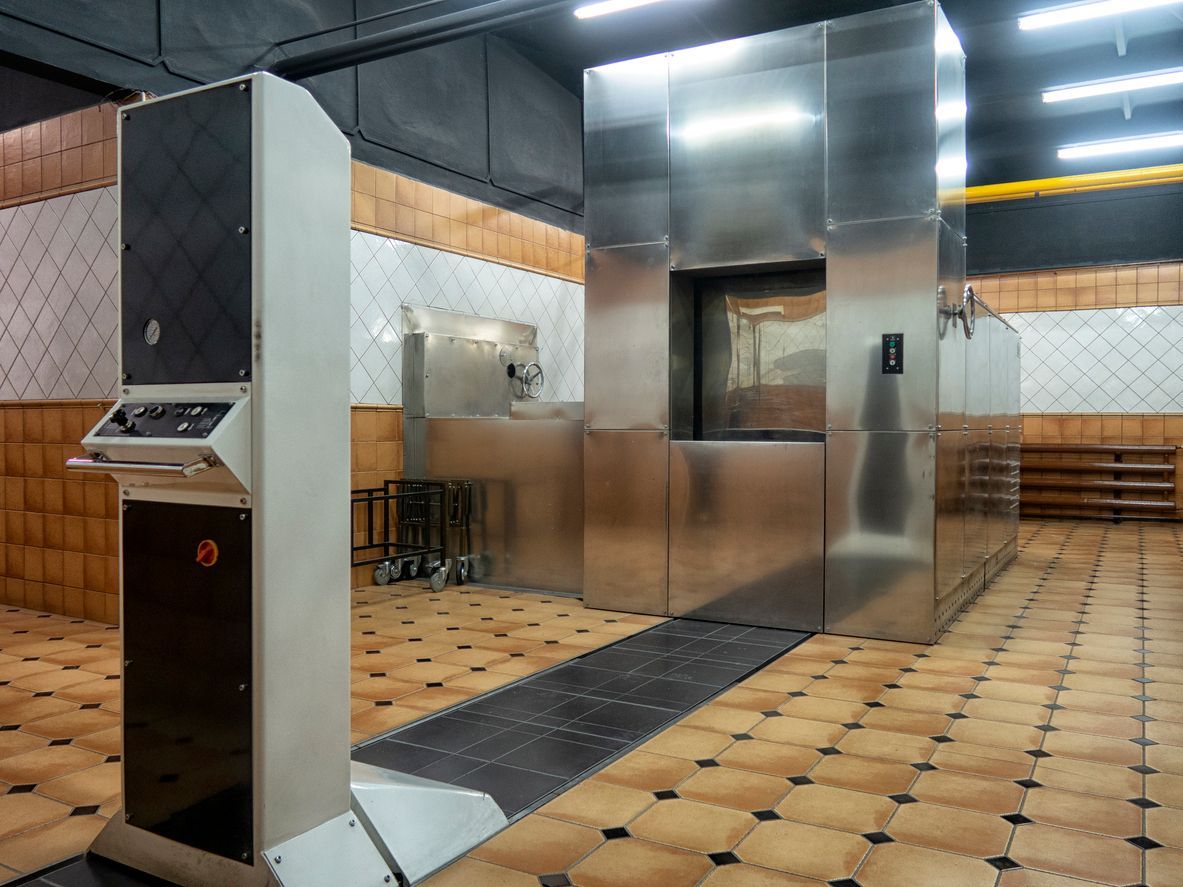
Cremation is a carefully managed process where the deceased is identified, prepared, placed in an approved cremation container or casket, and then cremated in a specialized chamber using high heat. Afterward, the remaining bone fragments are cooled, processed into cremated remains, and placed in a temporary container or urn for the family. Many families choose cremation because it is simple, flexible, and often more affordable than traditional burial. While the procedure can feel unfamiliar, every step is handled with dignity, legal oversight, and strict identification procedures to ensure peace of mind.

By Kinship Admin June 25, 2026
When exploring end-of-life arrangements, many families ask, “What is direct cremation?” Direct cremation is a simple cremation option where the deceased is cremated without a traditional funeral service, viewing, visitation, or mourners present. The provider handles transportation, the required legal paperwork, the cremation process, and the return of the ashes to the family. Families can then hold a memorial, celebration of life, or private gathering at a later time. Often referred to as simple cremation, unattended cremation, or a cremation without a funeral service, this straightforward option gives families total flexibility. It provides an affordable and practical solution, separating the physical disposition from the memorialization. This means loved ones can honour the person in a meaningful way on a date and at a location that feels most appropriate.
By Kinship Admin June 24, 2026
No, a cremation certificate is not the same as a death certificate. A death certificate is an official legal record that confirms a person has died, while a cremation certificate confirms that the cremation has been completed. Families navigating the loss of a loved one often hear both terms during the arrangement process. This overlap can easily create confusion. Each document serves a distinct purpose and will be needed at different stages of managing an estate and finalizing arrangements.

By Kinship Admin June 10, 2026
Yes, you can often send cremated ashes through the mail, but they must be packaged securely and shipped in accordance with the postal service's rules and the destination country's regulations. Families should never place ashes in a regular envelope or standard parcel without first checking the mailing requirements. Because rules differ in Canada, the United States, and international destinations, families should confirm all specific requirements before mailing cremated remains. Whether you are sending them to a loved one in Toronto, across the province, or overseas, understanding the exact protocols ensures a safe and respectful journey.
elderly couple meeting with a woman at a laptop
By Kinship Admin May 14, 2026
Find out if social services pay for cremation in Canada. This guide covers eligibility for low-income assistance , what essential costs are included , and how to apply for provincial funeral benefits to ensure a dignified farewell.
urn arrangement setup at a table
By Kinship Admin May 12, 2026
Learn what to expect at a cremation service , from ceremony steps and proper etiquette to attire and duration. This guide helps first-time attendees participate meaningfully while focusing on honouring the memory of their loved one.
Close up of an airplane
By Kinship Admin May 10, 2026
Understand the legal requirements for transporting cremated remains in Canada. While a permit is typically not required for domestic travel , this guide covers essential documentation , airline X-ray rules for urn containers , and the specific permits needed for international transport.
memorial service in progress
By Kinship Admin May 8, 2026
Plan a meaningful memorial service after cremation with this comprehensive guide. Discover the benefits of flexible timing , step-by-step organization tips , and Canadian regulations for ash scattering to help you create a personalized and dignified tribute.
urn displayed in a forest
By Kinship Admin May 6, 2026
Learn if you can have a cremation without a service in Canada. This guide explains the process of direct cremation, including legal requirements, cost-saving benefits, and the flexibility to plan a memorial or celebration of life at a later date.
body preparation for cremation
By Kinship Admin March 31, 2026
Learn how a cremation service works in Ontario, from legal authorization to the 2 to 3-hour process in the chamber. Understand the rigorous tracking and care involved in returning your loved one's remains.
cremation arrangements toronto
By Kinship Admin March 31, 2026
Learn how a cremation service works in Ontario, from legal authorization to the 2 to 3-hour process in the chamber. Understand the rigorous tracking and care involved in returning your loved one's remains.
Show More