What Happens During Cremation?

July 2, 2026

Share this article

funeral director and elderly couple going over processes

Cremation is a carefully managed process where the deceased is identified, prepared, placed in an approved cremation container or casket, and then cremated in a specialized chamber using high heat. Afterward, the remaining bone fragments are cooled, processed into cremated remains, and placed in a temporary container or urn for the family. Many families choose cremation because it is simple, flexible, and often more affordable than traditional burial. While the procedure can feel unfamiliar, every step is handled with dignity, legal oversight, and strict identification procedures to ensure peace of mind.

Key Takeaways

  • Cremation is a strictly regulated, respectful process designed to provide a dignified farewell.
  • Required Ontario documentation and identification checks occur long before the cremation begins.
  • The actual cremation usually happens privately, separate from any public gathering or memorial.
  • Families receive guidance on choosing urns, planning services, and understanding the steps involved.

Cremation Process Step by Step

When families ask us, “How does cremation work?” they find comfort in understanding the process as they make arrangements. The cremation process, step by step, involves several distinct stages to guarantee safety, dignity, and accuracy.

Step What Happens
1. Transfer into care The deceased is brought into the care of the funeral provider or crematorium.
2. Paperwork is finalized Required documents and authorizations are reviewed before cremation can proceed.
3. Identification is confirmed The deceased’s identity is checked and tracked throughout the process.
4. Preparation takes place Personal items, medical devices, and restricted materials may be removed.
5. Cremation takes place The body is placed in a cremation chamber in an approved container.
6. Remains are cooled The remaining bone fragments are carefully cooled after cremation.
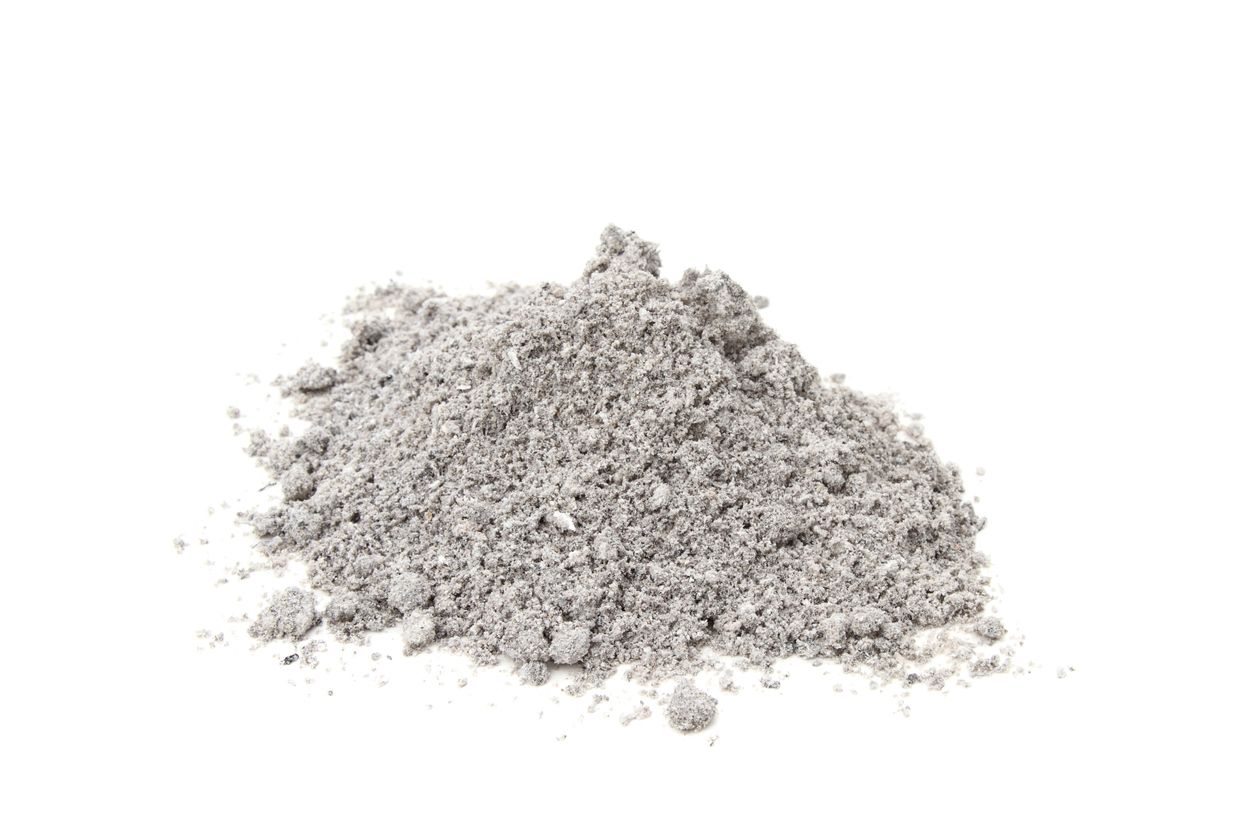
7. Ashes are processed The remains are processed into a fine, ash-like consistency.
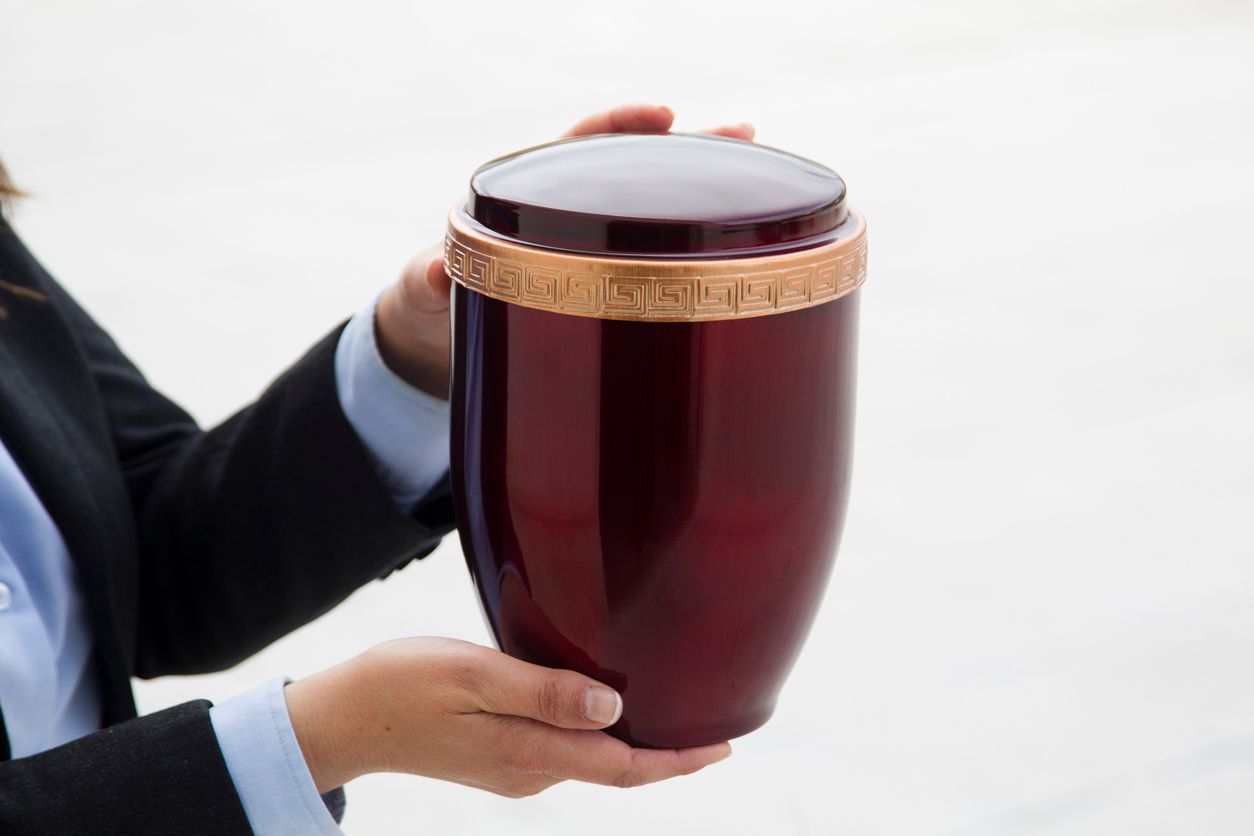
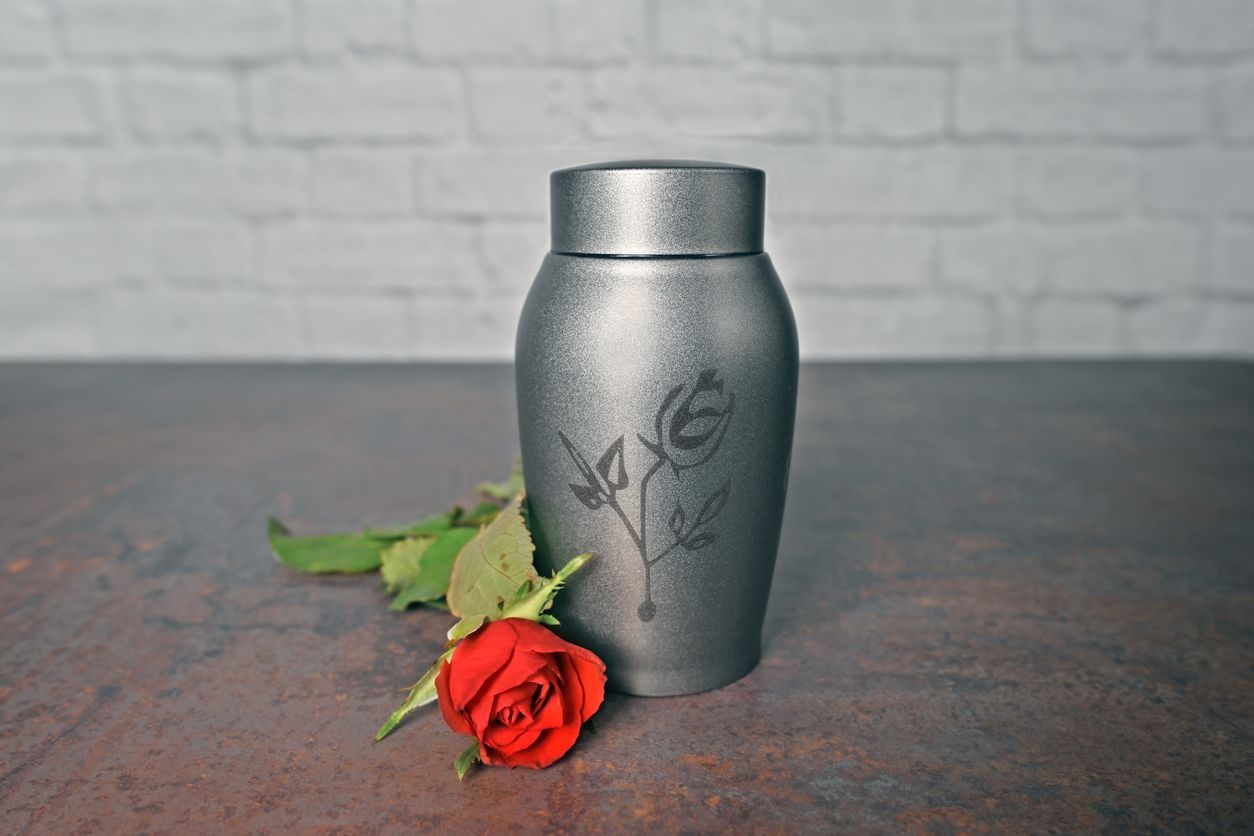
8. Ashes are returned The cremated remains are placed in a container or urn for the family.

The exact timeline and specific steps may vary slightly depending on the crematorium, the province, and the service provider you choose.

What Happens Before Cremation?

Before the cremation can begin, several crucial administrative and preparatory steps must be finished. First, the death is formally registered. At this stage, the required forms and authorizations are completed to ensure all legal requirements are met. The deceased is identified, and the body is transferred to the care of the funeral provider or crematorium.


During this time, the family may choose clothing, personal items, or an urn. If you are opting for a direct cremation process, the focus remains on essential care and straightforward arrangements without a preceding formal viewing. Medical devices such as pacemakers must usually be removed for safety reasons. Jewellery may be returned to the family or handled in accordance with the family’s specific wishes.


For the cremation process, Ontario requires specific documentation. Before cremation can happen, paperwork such as the Medical Certificate of Death, Statement of Death, Burial Permit, and cremation authorization must be provided. Ontario’s official death registration process involves submitting the Medical Certificate of Death and Statement of Death to the local municipality. Sensible Choice Cremation in Toronto helps families navigate this paperwork seamlessly.

How Is the Body Prepared for Cremation?

Families often ask what happens to a body during cremation preparation. The deceased is cared for in a respectful environment at all times. The cremation preparation process prioritizes dignity and safety. Identification is checked thoroughly before any further steps are taken.


The deceased is dressed in chosen clothing or a simple covering, depending on family preferences. Items that cannot be cremated safely are removed. For instance, pacemakers and battery-powered medical devices must be removed to prevent safety hazards within the cremation chamber. Once prepared, the deceased is placed in an approved cremation container or casket, ready for the next stage. This careful preparation ensures that the process respects the deceased while adhering to facility safety standards.

What Happens at a Cremation Service?

A common question families have is what happens at a cremation service. It is important to know that a cremation service and the cremation itself are not always the same event. Family and friends may gather at a chapel, funeral home, or crematorium to honour their loved one.


The service may include music, readings, prayers, eulogies, or a moment of quiet reflection. Usually, the service lasts around 30 to 45 minutes, depending on the provider and the chosen venue. At the end of the gathering, the committal may take place. The coffin may be moved, lowered, or hidden from view to symbolize the final farewell. The actual cremation usually happens privately afterward, allowing families to grieve and support one another without being present for the operational procedures.

What Happens During the Actual Cremation?

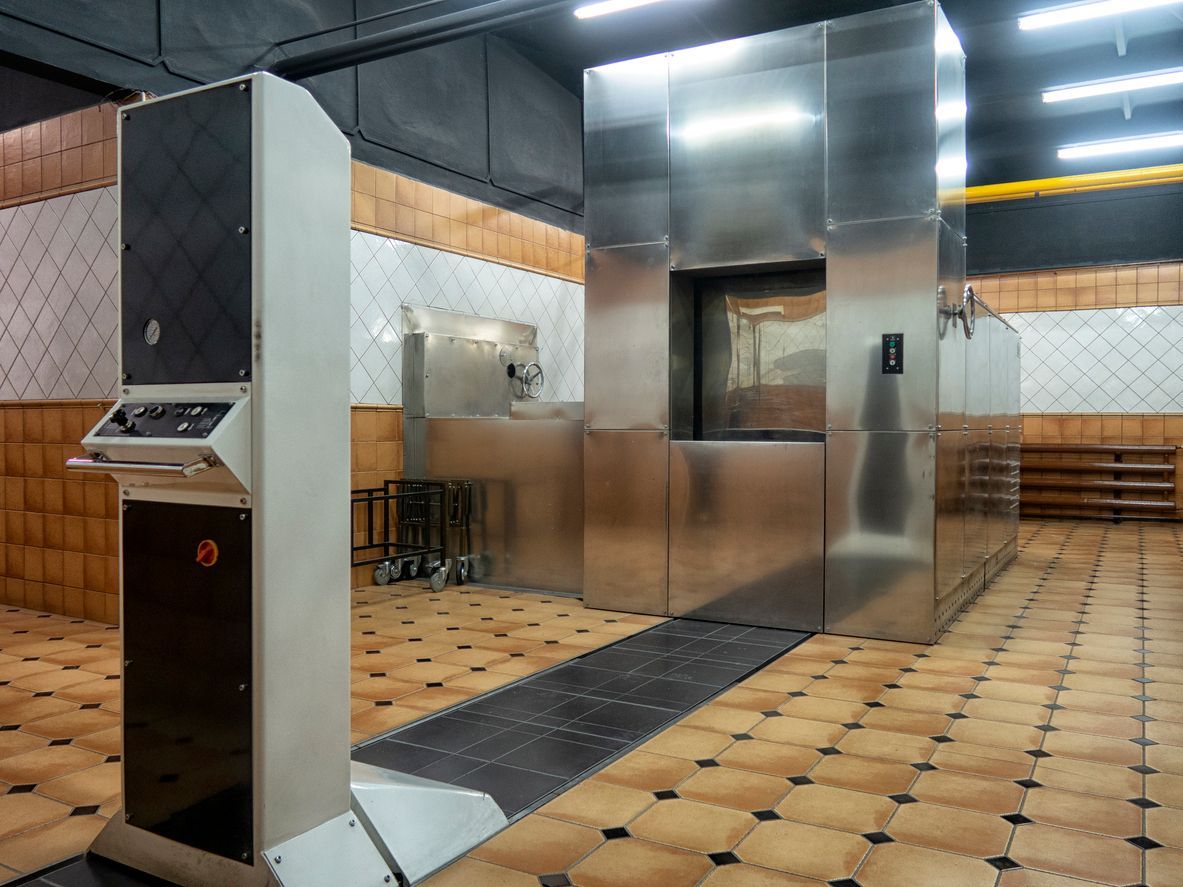
To understand what happens during the cremation process, it helps to look at the specialized equipment used. The cremation chamber is preheated to the required temperature. The approved container or casket is then placed carefully into the chamber.


The chamber uses intense heat to reduce the body and the container. This part of the process usually takes 1.5 to 3 hours, depending on several factors, including the size of the deceased and the type of container used. Afterward, the remains are allowed to cool in a designated area.


Once cooled, metal materials are removed where possible using a magnet. The remaining bone fragments are then processed into a uniform, fine consistency known as cremated remains. Using simple, factual explanations helps demystify the procedure and provides clarity for families during a difficult time.

How Long Does Cremation Take?

When planning arrangements, families need a clear timeline. How long cremation takes depends on a few different factors.

Stage Typical Timeline
Paperwork and authorization Varies by situation
Cremation process About 1.5 to 3 hours
Cooling period 1 to 2 hours
Processing remains Usually finished after cooling
Return of ashes Often within a few days, depending on provider

How Do Families Know They Receive the Right Ashes?

Trust is vital when choosing a cremation provider. Crematoriums use strict identification checks throughout the entire journey. The deceased is labelled and tracked from the moment they enter our care. Paperwork follows the deceased through each stage to prevent any errors.


Standard practice mandates that only one person is cremated at a time. The cremated remains are carefully placed into a labelled container immediately after processing. All documentation, including the coffin’s nameplate and cremation order, is checked before the remains are released to the family. This rigorous tracking system verifies identity throughout the care journey, ensuring you receive the correct remains.

What Can Be Placed in the Casket or Cremation Container?

Personalizing a farewell often involves placing meaningful items with the deceased. However, allowed items vary by crematorium due to safety protocols.


Generally permitted items may include:


  • Letters and written notes
  • Printed photos
  • Small soft keepsakes
  • Natural flowers
  • Simple clothing


Items that may not be allowed include:

  • Mobile phones
  • Batteries
  • Glass objects
  • Alcohol or combustible liquids
  • Pressurized items
  • Large metal objects
  • Certain plastics or synthetic materials
  • Pacemakers or battery-powered medical devices


We advise readers to check with their cremation provider before placing personal items in the container to ensure everything complies with safety regulations.

Is Cremation Done Individually?

Yes, cremation is always performed individually. This is a common concern, and families deserve clear reassurance. Crematoriums use strict identification procedures to ensure accountability. Furthermore, standard cremation chambers are designed specifically to hold only one deceased person at a time. This guarantees that the remains you receive belong solely to your loved one.

Embracing Clarity and Peace of Mind: A Recap of the Cremation Journey

Cremation is a structured, respectful process that includes legal paperwork, careful identification, preparation, cremation in a specialized chamber, processing of remains, and the return of ashes to the family. While the process may feel unfamiliar initially, each step is designed to protect dignity, safety, and accountability. By providing clear answers and professional care, we aim to make a challenging time a little easier to navigate.


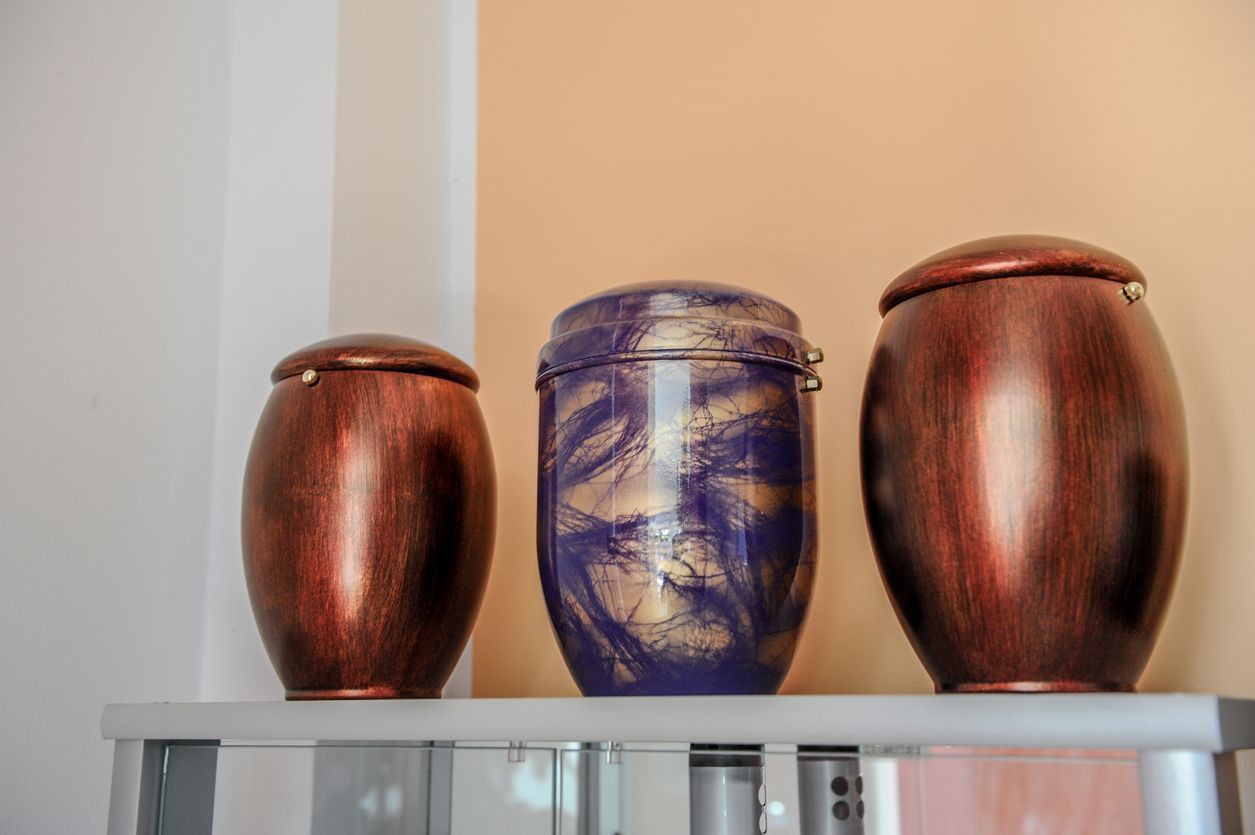
Once the process is finished, you may be wondering what to do with ashes after cremation. From choosing a meaningful urn to planning a scattering ceremony, there are many beautiful ways to honour your loved one's memory. For families seeking reliable cremation services in Toronto and the surrounding Ontario area, Sensible Choice Cremation can help explain your options, answer your questions, and guide you through the next steps with care and clarity. Call us today to learn more about how we can support you.

Recent Posts

A Sensible Approach

By Kinship Admin June 25, 2026
When exploring end-of-life arrangements, many families ask, “What is direct cremation?” Direct cremation is a simple cremation option where the deceased is cremated without a traditional funeral service, viewing, visitation, or mourners present. The provider handles transportation, the required legal paperwork, the cremation process, and the return of the ashes to the family. Families can then hold a memorial, celebration of life, or private gathering at a later time. Often referred to as simple cremation, unattended cremation, or a cremation without a funeral service, this straightforward option gives families total flexibility. It provides an affordable and practical solution, separating the physical disposition from the memorialization. This means loved ones can honour the person in a meaningful way on a date and at a location that feels most appropriate.
By Kinship Admin June 24, 2026
No, a cremation certificate is not the same as a death certificate. A death certificate is an official legal record that confirms a person has died, while a cremation certificate confirms that the cremation has been completed. Families navigating the loss of a loved one often hear both terms during the arrangement process. This overlap can easily create confusion. Each document serves a distinct purpose and will be needed at different stages of managing an estate and finalizing arrangements.
By Kinship Admin June 10, 2026
Yes, you can often send cremated ashes through the mail, but they must be packaged securely and shipped in accordance with the postal service's rules and the destination country's regulations. Families should never place ashes in a regular envelope or standard parcel without first checking the mailing requirements. Because rules differ in Canada, the United States, and international destinations, families should confirm all specific requirements before mailing cremated remains. Whether you are sending them to a loved one in Toronto, across the province, or overseas, understanding the exact protocols ensures a safe and respectful journey.
elderly couple meeting with a woman at a laptop
By Kinship Admin May 14, 2026
Find out if social services pay for cremation in Canada. This guide covers eligibility for low-income assistance , what essential costs are included , and how to apply for provincial funeral benefits to ensure a dignified farewell.
urn arrangement setup at a table
By Kinship Admin May 12, 2026
Learn what to expect at a cremation service , from ceremony steps and proper etiquette to attire and duration. This guide helps first-time attendees participate meaningfully while focusing on honouring the memory of their loved one.
Close up of an airplane
By Kinship Admin May 10, 2026
Understand the legal requirements for transporting cremated remains in Canada. While a permit is typically not required for domestic travel , this guide covers essential documentation , airline X-ray rules for urn containers , and the specific permits needed for international transport.
memorial service in progress
By Kinship Admin May 8, 2026
Plan a meaningful memorial service after cremation with this comprehensive guide. Discover the benefits of flexible timing , step-by-step organization tips , and Canadian regulations for ash scattering to help you create a personalized and dignified tribute.
urn displayed in a forest
By Kinship Admin May 6, 2026
Learn if you can have a cremation without a service in Canada. This guide explains the process of direct cremation, including legal requirements, cost-saving benefits, and the flexibility to plan a memorial or celebration of life at a later date.
body preparation for cremation
By Kinship Admin March 31, 2026
Learn how a cremation service works in Ontario, from legal authorization to the 2 to 3-hour process in the chamber. Understand the rigorous tracking and care involved in returning your loved one's remains.
cremation arrangements toronto
By Kinship Admin March 31, 2026
Learn how a cremation service works in Ontario, from legal authorization to the 2 to 3-hour process in the chamber. Understand the rigorous tracking and care involved in returning your loved one's remains.
urn for cremated remains
By Kinship Admin March 31, 2026
Learn how much ash cremation produces, typically 4 to 8 lbs for adults. Use the 1lb to 1 cubic inch rule to select an urn that safely holds your loved one's remains.
woman sitting at a laptop on the phone
By Kinship Admin March 31, 2026
Learn how long cremation takes in Ontario, from the 1.5 to 3-hour physical process to the 5 to 7-day total timeline for paperwork and the return of remains.
Show More