
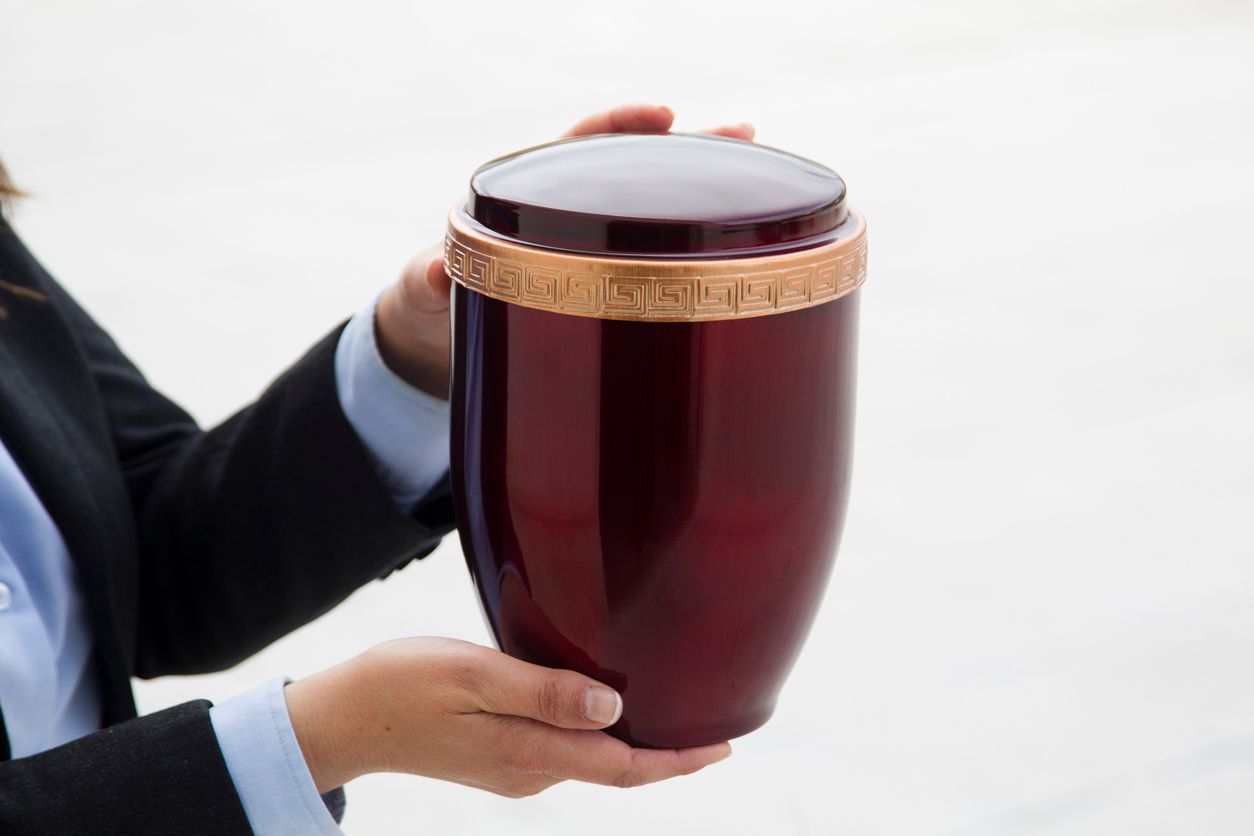
What Is Direct Cremation?

When exploring end-of-life arrangements, many families ask, “What is direct cremation?” Direct cremation is a simple cremation option where the deceased is cremated without a traditional funeral service, viewing, visitation, or mourners present. The provider handles transportation, the required legal paperwork, the cremation process, and the return of the ashes to the family. Families can then hold a memorial, celebration of life, or private gathering at a later time.
Often referred to as simple cremation, unattended cremation, or a cremation without a funeral service, this straightforward option gives families total flexibility. It provides an affordable and practical solution, separating the physical disposition from the memorialization. This means loved ones can honour the person in a meaningful way on a date and at a location that feels most appropriate.
Key Takeaways
- Direct cremation separates the necessary physical care from the memorial services.
- It is a practical, lower-cost alternative to traditional funerals because it skips viewings, embalming, and elaborate upfront ceremonies.
- Families retain the freedom to host a customized celebration of life weeks or months later.
- A professional provider manages all logistics and paperwork, giving you the space to focus on family during a difficult time.
What Does Direct Cremation Mean?
For families managing a loss, understanding the question “What does direct cremation mean?” provides immediate clarity. Direct cremation means the focus is placed entirely on respectful, essential care. There is no formal funeral service held before the process. It involves no public viewing, no visitation, and typically no embalming. It skips the formal procession, hearse ceremony, and funeral home chapel service.
Instead, the cremation takes place first. Afterward, the ashes are returned to the family, who can then plan a memorial if they desire. The main difference between this and traditional options is timing. By taking care of the practical matters first, families relieve the pressure of immediate event planning. You gain the freedom to decide how, when, and whether to gather.
How Does Direct Cremation Work?
The process is designed to be seamless, easing the burden on grieving families. Here is a step-by-step look at how the arrangement proceeds.
Step 1: The Deceased Is Transferred Into Care
The cremation provider arranges prompt, respectful transportation of your loved one from the place of death. This includes hospitals, hospices, long-term care homes, private residences, or a coroner facility in Toronto and the surrounding areas.
Step 2: Required Paperwork Is Completed
A professional team helps complete all necessary documentation. This includes municipal death registration, transit permits, and cremation authorization forms. Guided support ensures that all legal and regulatory requirements in Ontario are met accurately, saving families from having to navigate complex bureaucratic steps alone.
Step 3: Cremation Is Scheduled
Once the paperwork is finalized and the required coroner approvals are received, the cremation is scheduled. Because this is an unattended cremation, there is no public ceremony or viewing held beforehand, ensuring a quiet and respectful process.
Step 4: Cremation Takes Place
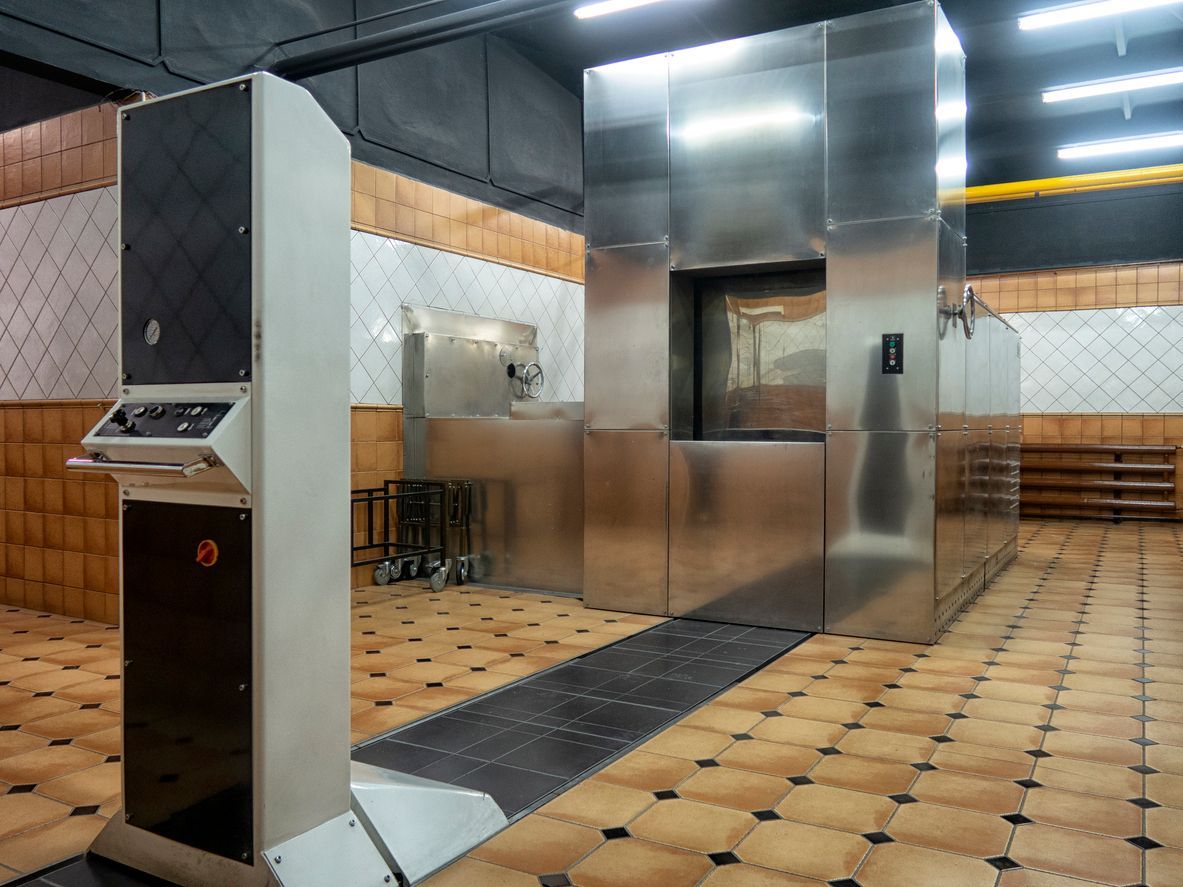
The cremation is carried out professionally using a basic cremation container or an alternative container chosen by the family. The process adheres strictly to provincial guidelines managed by the Bereavement Authority of Ontario, guaranteeing dignity and care at all times.
Step 5: Ashes Are Returned to the Family
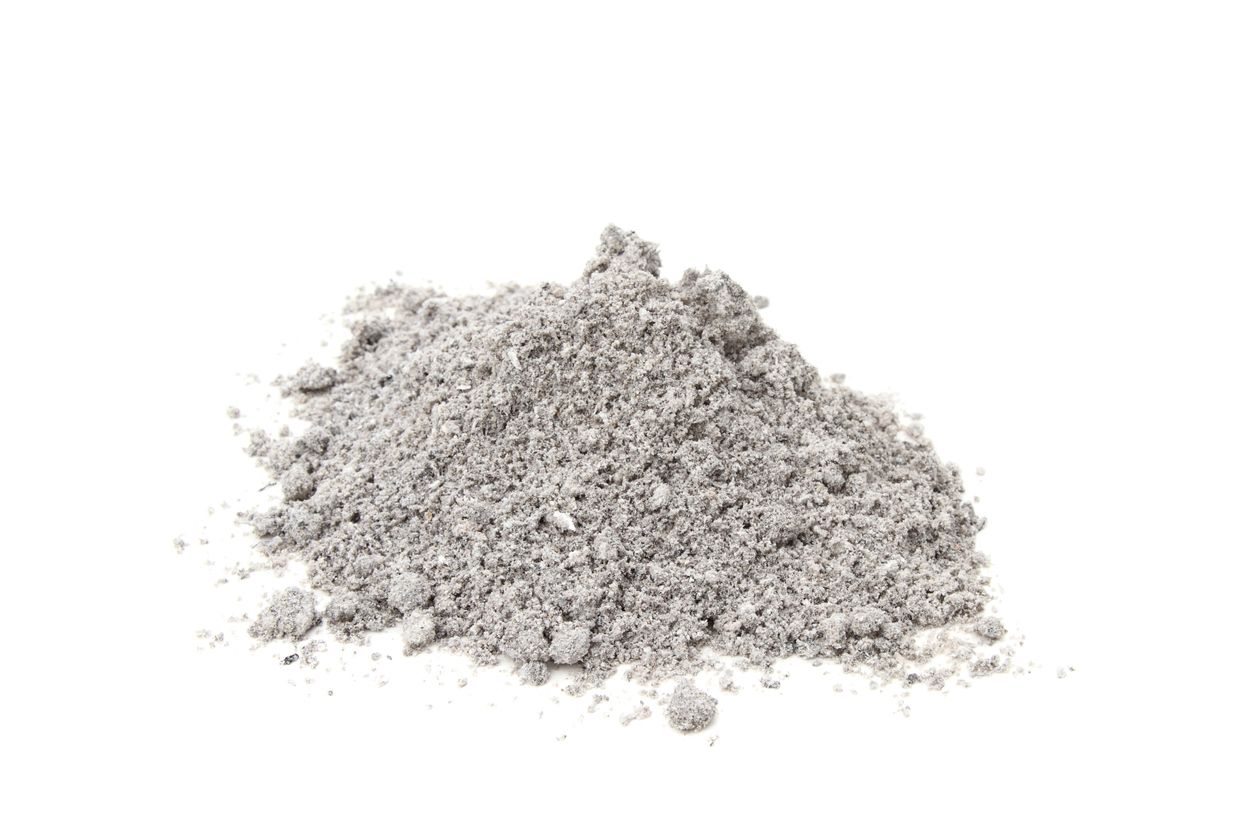
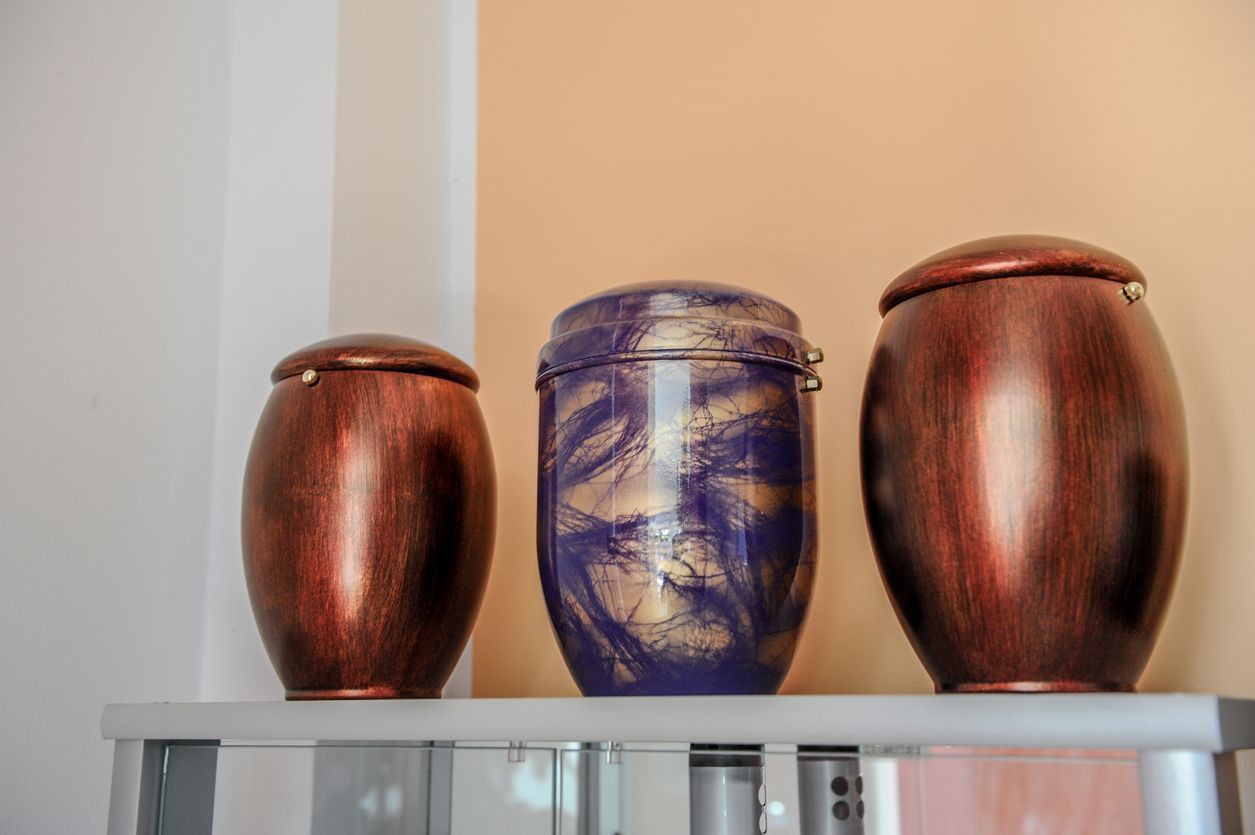
After the process concludes, the ashes are placed in a temporary container or a selected urn. They are then returned to the family, allowing them to proceed with their chosen memorial plans whenever they are ready.
What Is Included in Direct Cremation?
When arranging
direct cremation services, families deserve clear expectations regarding what their package covers. While specifics can vary slightly by provider, a standard arrangement covers the core essential services. Always request a written quote to ensure financial clarity.
| Direct Cremation Service | Typically Included |
|---|---|
| Transfer of the deceased | Yes |
| Basic care and preparation | Yes |
| Required paperwork support | Yes |
| Cremation authorization | Yes |
| Cremation container | Usually yes |
| Cremation fee | Usually yes |
| Temporary urn or container | Usually yes |
| Return of ashes | Yes |
| Funeral ceremony | No |
| Viewing or visitation | No |
What Is Not Included in Direct Cremation?
This arrangement is intentionally simple and focuses only on the necessary practical steps. A no-service cremation usually does not include a funeral service, viewing, or visitation before the cremation. It also excludes embalming, cosmetic preparation, a hearse procession, pallbearers, printed programs, flowers, or catering.
Furthermore, it does not cover a cemetery burial plot, headstone, or monument. By excluding these elements, the service remains streamlined. Families can easily add memorial services, personalized urns, custom keepsakes, or ash-scattering options later, as they see fit.
Direct Cremation vs Traditional Cremation
Understanding the differences regarding direct cremation vs traditional cremation helps families make informed, confident choices. Direct cremation focuses solely on the cremation process itself, making it simpler to arrange. Traditional cremation often involves a formal service, a public viewing, and the use of funeral home facilities.
| Feature | Direct Cremation | Traditional Cremation |
|---|---|---|
| Viewing or visitation | No | Often yes |
| Funeral service before cremation | No | Usually yes |
| Embalming | Usually not required | May be required for viewing |
| Casket | Not usually required | May involve rental or purchase |
| Cost | Usually lower | Usually higher |
| Timeline | Often simpler and faster | Longer due to service planning |
| Memorial option | After cremation | Before or after cremation |
| Ashes returned | Yes | Yes |
Direct Cremation vs Burial
Many families in Toronto weigh the benefits of a simple cremation against a traditional burial. Burial often costs significantly more because it requires ongoing cemetery fees, property purchases, and specific merchandise like heavy caskets and concrete liners.
| Feature | Direct Cremation | Traditional Burial |
|---|---|---|
| Cemetery plot required | No | Yes |
| Casket required | No traditional casket | Usually yes |
| Headstone required | No | Usually yes |
| Embalming | Usually no | Often yes |
| Service before disposition | No | Usually yes |
| Cost | Lower | Higher |
| Flexibility | High | More structured |
| Ashes or body placement | Ashes returned to family | Body buried in cemetery |
How Much Does Direct Cremation Cost?
Pricing varies depending on the specific location, the provider, transportation needs, urn selection, and any optional add-on services. For families researching the direct cremation costs offered by Ontario providers, the general range is approximately $1,000 to $3,000 or more. A direct cremation in Toronto often falls within this range, depending on whether they select an upgraded urn or additional administrative services.
Traditional cremation with a service and burial is typically much more expensive. These are typical ranges, so families should verify local pricing or ask for a confirmed package rate.
| Cremation Option | Typical Cost Range |
|---|---|
| Direct cremation | $1,500 to $3,000+ |
| Direct cremation with upgraded urn | $1,800 to $4,000+ |
| Cremation with memorial service | $3,000 to $6,000+ |
| Full service cremation with viewing | $5,000 to $8,000+ |
| Traditional burial | $8,000 to $20,000+ |
Why Is Direct Cremation Usually More Affordable?
The affordable cremation Ontario families seek is accessible because this path removes many traditional funeral expenses. It costs less because there is no embalming, no viewing room rental, and no formal ceremony before the cremation. You do not have to purchase an expensive traditional casket, coordinate a hearse procession, or rent a large funeral home chapel.
It also eliminates the need for printed materials, professional ceremony coordination, a cemetery plot, and a permanent headstone. This straightforward approach provides a dignified option that protects families from unnecessary financial strain.
Can You Still Have a Memorial After Direct Cremation?
Yes, families can still hold a rich and meaningful memorial. One of the primary benefits of direct cremation is that you do not have to plan an event immediately while navigating the initial stages of grief. You can choose a date, location, and format that feels appropriate.
Memorial options include a formal celebration of life, a private family gathering, or a traditional religious service. Other ideas include an outdoor ash scattering ceremony, a family dinner, a casual home memorial, or sharing keepsake urns among relatives. Some families choose a graveside urn burial or create a dedicated online tribute page to share memories.
What Happens to the Ashes After Direct Cremation?
The ashes are returned to the family in a temporary container or a specifically selected urn. From there, families have many distinct options to honour their loved one. You may choose to keep the ashes at home, scatter them in a meaningful place, or bury them in a local cemetery.
Other choices include placing the ashes in a columbarium niche, dividing them among family members, or incorporating them into customized memorial jewelry. You can also travel with or ship the ashes in accordance with applicable transportation rules. Always remember to check local municipal regulations before scattering ashes on public or private property in Toronto or across Ontario.
Who Is Direct Cremation Best For?
This approach suits many different family dynamics and personal preferences. It may be a good fit for families who:
- Want a simple arrangement without excess coordination
- Prefer a lower cost option for end of life care
- Do not want a traditional funeral service
- Wish to hold a customized memorial at a later date
- Have family members who live far apart and need time to travel
- Prefer privacy during the immediate grieving period
- Are honouring the specific wishes of the deceased
- Want fewer decisions to make immediately after a loss
- Do not need a viewing or visitation
How to Arrange Direct Cremation in Ontario
Arranging a simple cremation is a clear and manageable process when working with a trusted provider.
Practical steps typically include:
- Contacting a licensed cremation provider for initial guidance
- Arranging the safe transfer of the deceased into their care
- Completing the required authorization forms and government documentation
- Confirming all identification details
- Selecting a tailored cremation package
- Choosing a temporary container or a permanent urn
- Waiting for necessary permits and coroner approvals
- Receiving the ashes after the process is finished
A knowledgeable provider will guide your family through all the paperwork and timing, ensuring every legal requirement is met without unnecessary stress. For more insights into regional regulations and planning steps, learn more about
cremation in Ontario.
Is Direct Cremation Right for Your Family?
Choosing an unattended cremation might be the right path for families who value simplicity, affordability, and flexibility. It removes the need for a formal service before the cremation, allowing you to handle the practical steps first. You can then plan a respectful memorial later if you choose.
For families considering a simple arrangement, Sensible Choice Cremation in Toronto can help explain options, pricing, paperwork, and next steps with care and clarity. We ensure that families receive practical, professional support when they need it most.
Finding Peace With a Practical and Meaningful Choice
Deciding on the right end-of-life care involves balancing practical realities with the desire to honour a loved one. Direct cremation offers a respectful path that prioritizes flexibility and affordability. By handling the essential physical care first, it removes the immediate pressure of event planning. This allows your family the time and space to gather, reflect, and celebrate a life lived on your own terms. Whether you prefer a quiet ash scattering in a favourite Toronto park or a large gathering months later, this option provides a solid foundation for a meaningful farewell.
Recent Posts
A Sensible Approach