What to Expect at a Cremation Service (Complete Guide for First-Time Attendees)

Losing a loved one brings a complex wave of emotions, and attending a service for the first time can add an unexpected layer of uncertainty to an already difficult day. If you are wondering what to expect at a cremation service, you are certainly not alone. Many people have questions about the specific procedures, the proper etiquette, and the overall atmosphere of the event.
This guide is designed to offer clarity and comfort. By outlining the standard processes and providing gentle guidance, we hope to help you feel prepared. This will allow you to focus your energy on what truly matters, which is honouring the memory of the person who has passed away.
Key Takeaways
- A cremation service is a dedicated time to honour the deceased, whereas the physical cremation is an entirely separate, private process.
- Attendees can expect a structured yet adaptable ceremony that typically lasts 30 to 45 minutes.
- Wearing appropriate, conservative attire and demonstrating respectful behaviour remain essential, though the event's tone may vary according to the family's wishes.
- Understanding the cremation ceremony steps beforehand helps alleviate anxiety and allows first-time attendees to participate meaningfully.
What is a Cremation Service
It is quite common to confuse the physical process of cremation with the ceremony held to honour the deceased. A cremation service is the formal or informal gathering where family and friends come together to pay their respects, share memories, and support one another in grief.
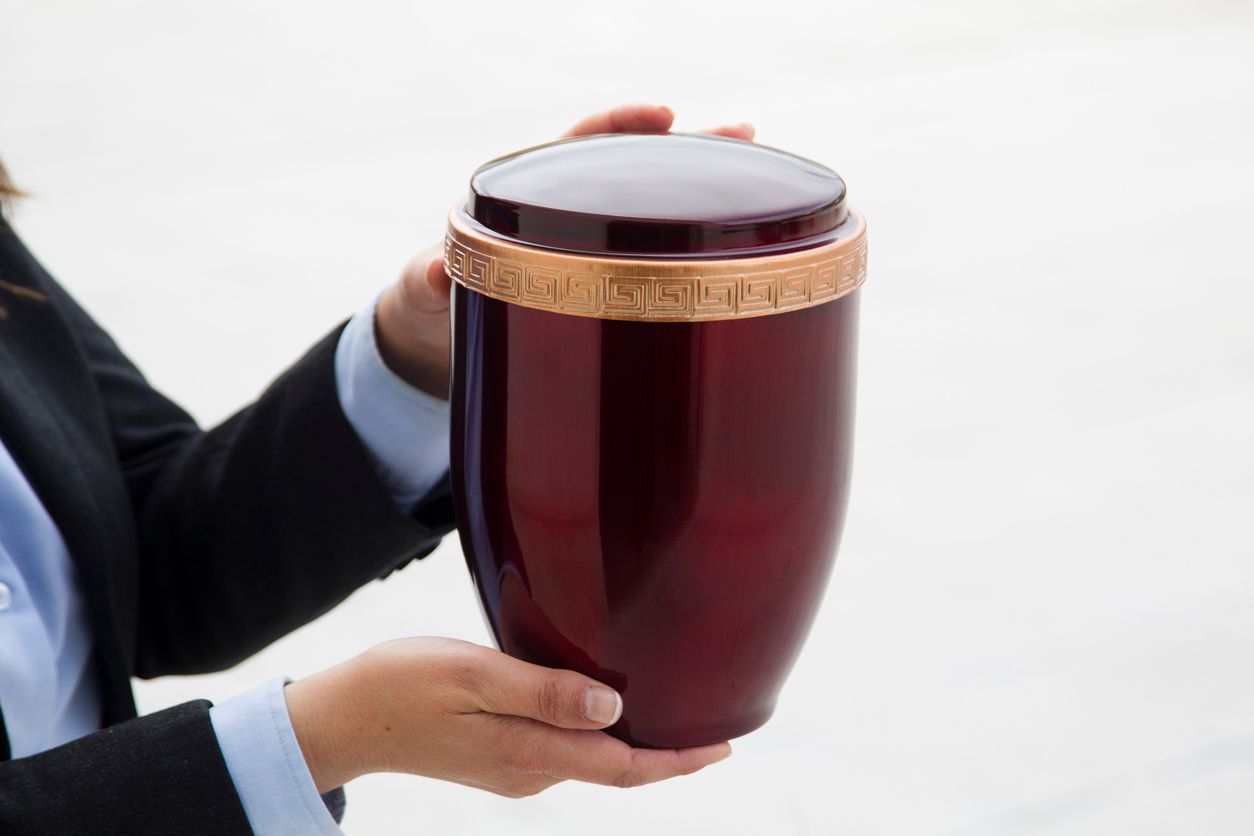
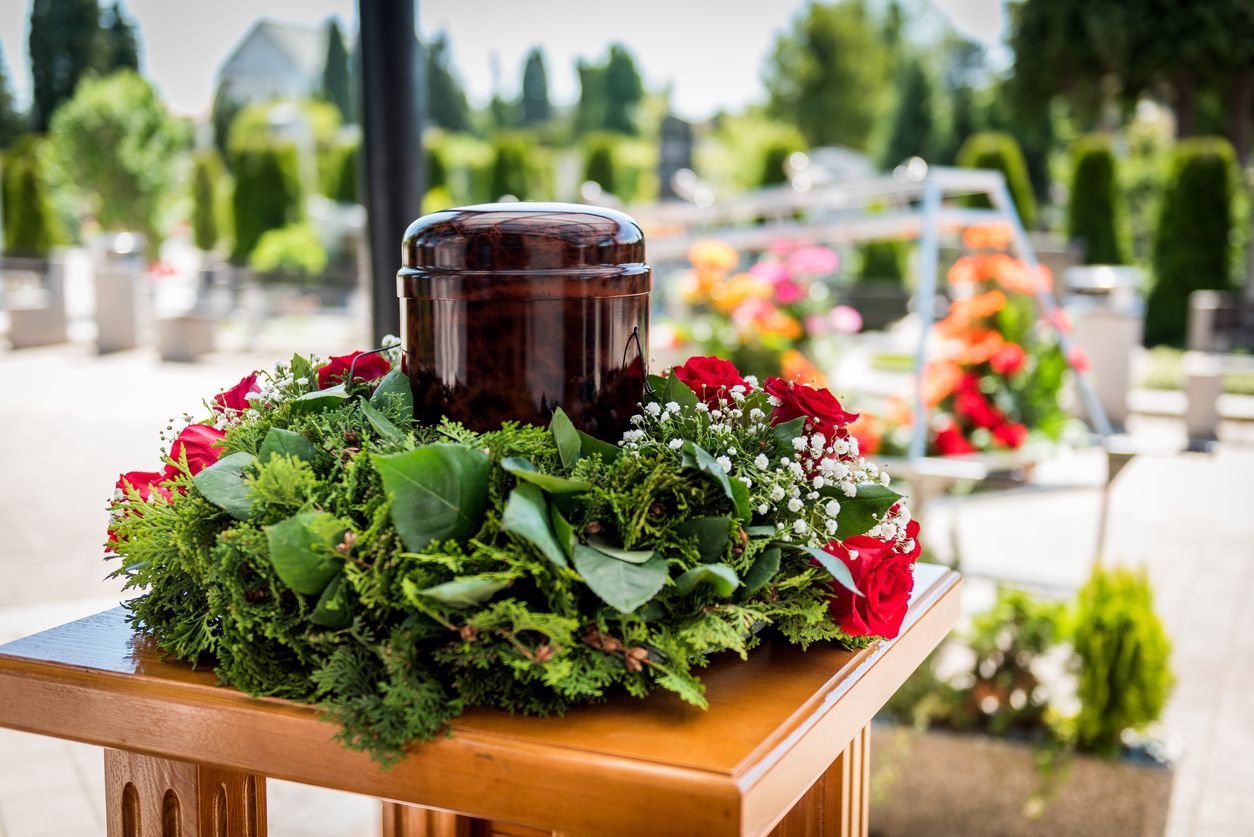
To clarify the cremation vs funeral service distinction, a traditional funeral typically involves a casket containing the body and often concludes with a burial at a cemetery. A cremation service, on the other hand, frequently features an urn containing the ashes. Sometimes, families choose to hold a service before cremation, meaning a casket may still be present during the gathering. The flexibility of this approach allows families to schedule the gathering at a time and place that best suits their emotional and logistical needs. The ceremony itself is a time for reflection and connection, remaining completely separate from the technical operations of the crematorium.
What Happens Before a Cremation Service?
Long before the guests gather, a funeral director and their dedicated team handle the necessary arrangements behind the scenes. Families work closely with these professionals to design a meaningful tribute that reflects the life and values of the person who has passed away. The focus is on creating a supportive atmosphere for everyone involved.
Guests usually receive a notification with the event details, including the time and location. Depending on the family's preferences, there may be an optional visitation or viewing before the main event. This specific time allows close friends and family members a quiet, private moment to say goodbye before the larger gathering begins. For those attending, emotional preparation is vital. Recognizing that grief affects everyone differently can help you approach the day with empathy, patience, and a calm presence.
What Happens During a Cremation Service?
Understanding the cremation ceremony steps can bring a necessary sense of peace to attendees. While every gathering is unique to the family hosting it, there is a general flow to what happens during cremation service events that you can rely on.
Arrival and Seating
Guests should plan to arrive early to find parking and settle into the venue without rushing. This brief buffer of time allows you to sign a guestbook and find a seat quietly. The atmosphere is generally subdued and deeply respectful. Seating arrangements typically reserve the front rows for immediate family members and very close friends. It is best to choose a seat a few rows back if you are a colleague or an acquaintance, ensuring the family has the space they need.
Opening of the Ceremony
The service usually begins with a formal welcome address. An officiant, a religious leader, or a chosen celebrant will address the attendees to begin the proceedings. They provide a brief overview of the service, setting a comforting tone and outlining how the family wishes to honour their loved one. This welcome helps centre the attendees and brings a shared focus to the room.
Readings, Music, and Tributes
This segment is frequently considered the heart of the ceremony. You can expect to hear a eulogy delivered by a close friend or family member, summarizing the deceased's life and legacy. Others might be invited to share brief speeches or personal memories. Families frequently select religious texts, meaningful poems, or favourite literary passages for readings. Music selections also play a significant role, providing moments of quiet reflection between the spoken tributes.
Personalization Elements
Modern gatherings frequently incorporate highly personal touches to reflect the individual's life. You will likely see photo displays or digital slideshows that capture fond memories and milestones. A memory table might be set up to showcase the hobbies, achievements, or cherished possessions of the departed. These elements help celebrate the individual's unique journey. Depending on the family's heritage, you may also observe specific cultural or spiritual rituals incorporated directly into the event.
The Committal (Final Goodbye)
The committal marks the formal conclusion of the ceremony. If a casket is present before the cremation, it is respectfully removed from view, or a curtain may be drawn. If the service features an urn, the officiant will deliver final words of parting and commendation. This step often involves a dedicated moment of silence or quiet reflection, allowing everyone in the room a personal moment of closure before the service ends.
Closing and Exit
Following the committal, the officiant provides their closing remarks. They might offer a final blessing or simply take a moment to thank the guests for their attendance and support. Soft, calming music often plays as guests exit the seating area respectfully. The officiant will usually provide clear instructions if there is a reception to follow, directing guests on where to go next.
Reception or Gathering (Optional)
Many families choose to host a reception after the formal proceedings have concluded. This informal social time gives guests the valuable opportunity to offer direct condolences to the family and share stories in a more relaxed setting. It is a vital chance to provide grief support and connect with others who share in the loss, often accompanied by light refreshments.
How Long Does a Cremation Service Last?
If you are planning your day and need to manage your schedule, you might be curious about the cremation service duration. A typical ceremony generally lasts between 30 and 45 minutes.
However, several factors can affect this timing. A service with numerous speakers, extended musical performances, or specific religious rites will naturally take longer, potentially lasting up to an hour. On the other hand, a brief gathering at a chapel might conclude in under 30 minutes. The officiant or the printed program provided at the entrance will usually give you a clear idea of the timeline, so you know exactly what to expect.
What Happens After the Cremation Service
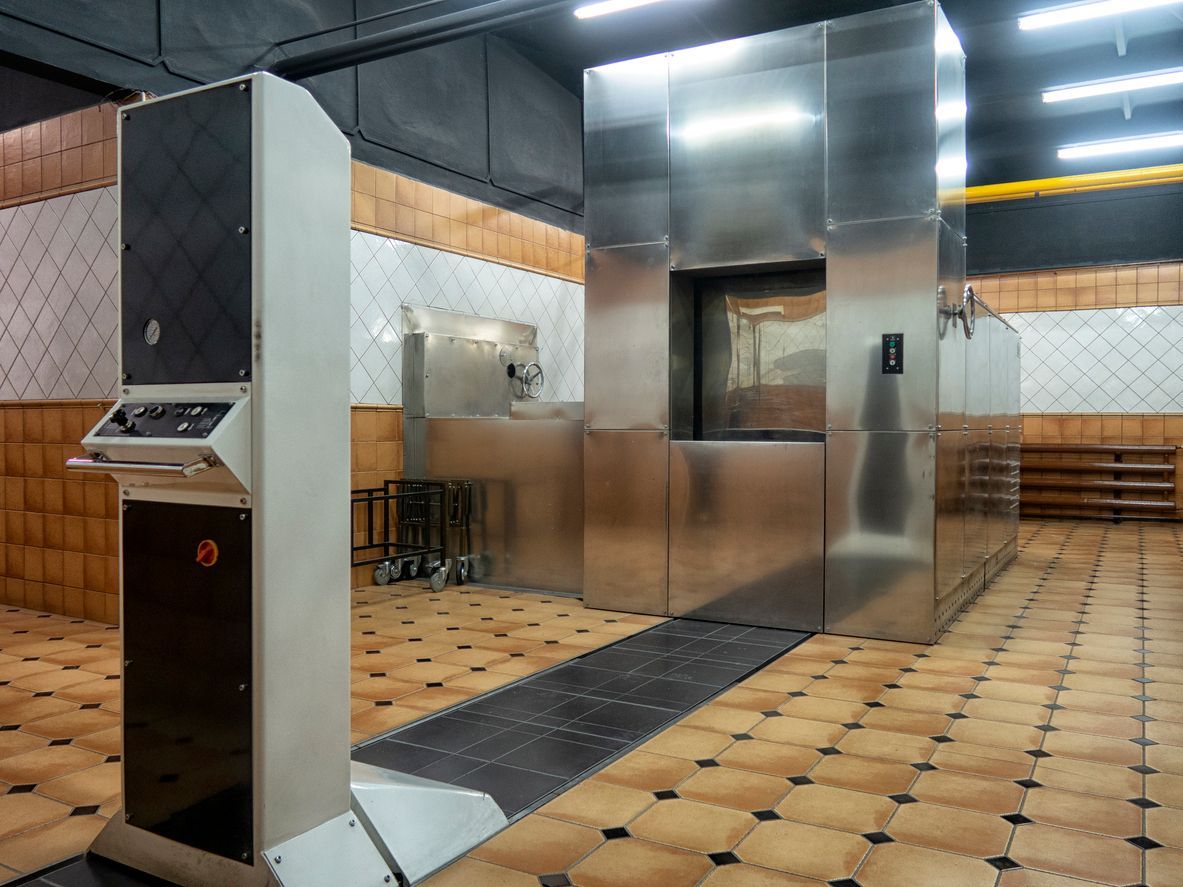
If the ceremony takes place before the physical cremation, the process occurs shortly afterward at a licensed and secure facility. For those seeking the cremation process explained, it involves the careful and respectful transformation of the remains into ashes using specialized, high-heat equipment. This process is handled with the utmost dignity by trained professionals.
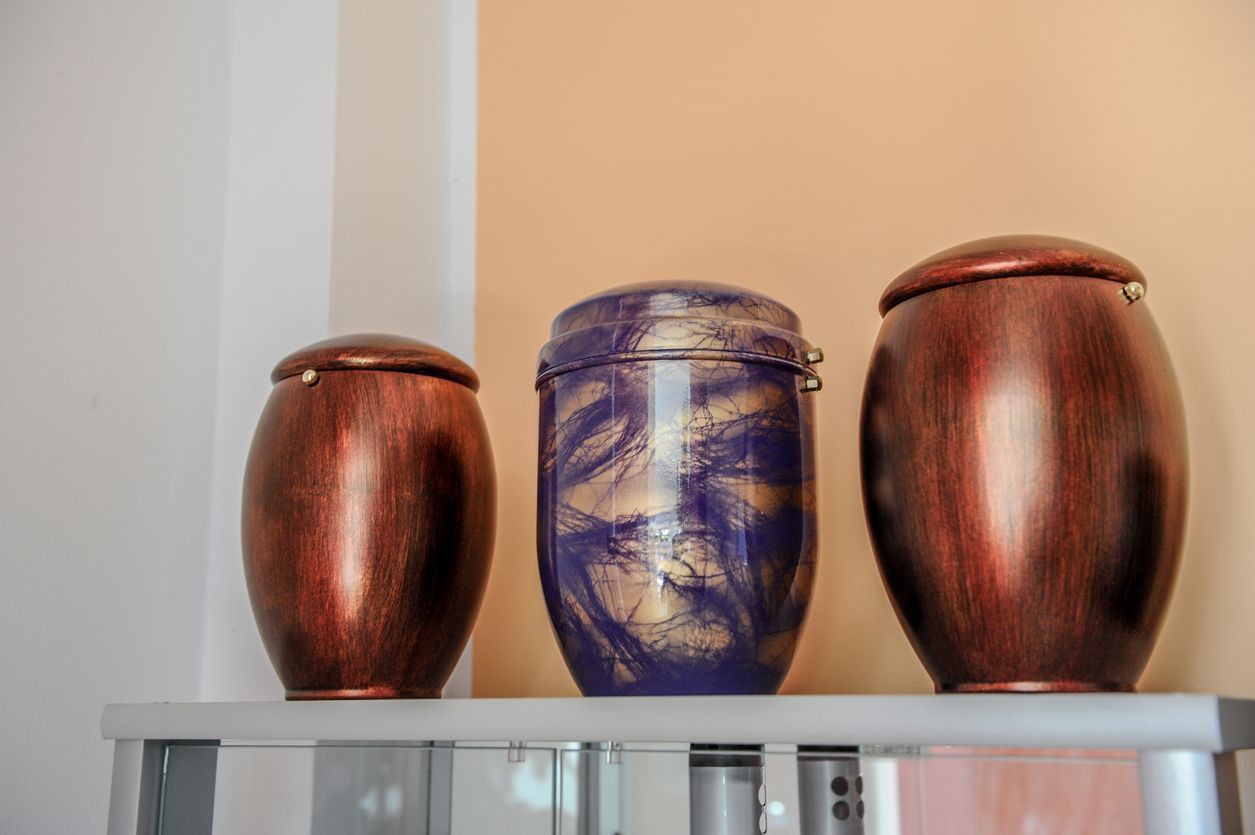
Once the process is complete, the ashes are carefully returned to the family. Families then have several options for memorialization. They might choose to keep the remains in a decorative urn at home, scatter them in a meaningful location that the deceased loved, or inter them in a columbarium niche. Some families may even plan an additional gathering or a scattering ceremony at a later date.
What Should You Wear?
Choosing appropriate attire is a key part of attending a cremation service. The standard expectation leans heavily toward conservative and respectful clothing. Dark or muted colours, such as navy, grey, black, or deep brown, are generally safe and appropriate choices. Suits, dress shirts with ties, modest dresses, and tailored trousers fit the occasion perfectly.
Cultural variations can sometimes influence the expected dress code. Some traditions request that guests wear specific colours to signify mourning or to celebrate the transition of life. Furthermore, modern flexibility often applies to a celebration of life event, where the family might actively encourage attendees to wear bright colours, casual clothing, or even attire related to the deceased's passions. If you are unsure and no specific instructions were provided, standard conservative business attire is always a polite and safe choice.
What Should You Say (and Avoid Saying)?
Finding the right words to say to grieving families is famously challenging. Simple, respectful condolences are always the most effective way to show you care. Expressions such as "I am so sorry for your loss" or "You and your family are in my thoughts" offer genuine comfort without overstepping boundaries.
There are certain phrases you should make an effort to avoid. Try not to say "I know exactly how you feel" or "They are in a better place now," because these statements can inadvertently minimize the family's specific and personal grief. Focus on your sincerity and the value of your physical presence. Simply being there to offer a supportive handshake, a brief hug, or a listening ear is often much more meaningful than any spoken words.
Cremation Service Etiquette
Proper cremation service etiquette helps maintain a respectful and supportive setting for all participants. Here are the core principles to keep in mind when attending.
First, always make it a priority to arrive on time. Entering late can disrupt the solemnity of the ceremony and distract the family. Second, ensure that you silence all mobile devices, including phones and smartwatches, before stepping inside the venue. A ringing phone or a loud notification is highly distracting during moments of quiet reflection.
Third, follow the family preferences closely. Whether they request charitable donations in lieu of flowers or ask for privacy during certain moments of the service, honouring their wishes is paramount. Finally, respect cultural or religious practices. Even if you do not share the exact same beliefs as the family, standing when asked or bowing your head respectfully during a prayer shows deep respect for the deceased and their loved ones.
Types of Cremation Services
There is no single way to structure these events, and families have diverse options to consider based on their specific needs and values.
A traditional cremation service closely mirrors a standard funeral. It is often complete with a viewing and formal rites, but it culminates in cremation rather than a burial in a cemetery. Alternatively, a memorial service after cremation usually focuses on the presence of the urn rather than a casket. This allows for highly flexible scheduling, sometimes taking place weeks or even months after the passing.
A celebration of life service is an increasingly popular choice across Canada. This specific type of event focuses heavily on joy, storytelling, and celebrating the deceased's unique personality rather than mourning the loss in a traditional, sombre sense. Alternatively, some families choose direct cremation. This involves no formal service or gathering at all, prioritizing simplicity, privacy, and quiet reflection at home.
Common Misconceptions
Several myths surround these gatherings. Clearing up these misunderstandings provides a better cremation service guide for those who feel unsure of what the day will bring.
A frequent misunderstanding is that attendees will witness the cremation itself. In standard practice, guests do not watch the physical process. The ceremony occurs in a separate chapel or gathering venue entirely.
Another myth is that services are always religious in nature. In reality, they can be entirely secular, focusing solely on the individual's life, their relationships, and their personal legacy. Lastly, some people believe that cremation services are less meaningful than traditional burials. This is simply inaccurate. The emotional depth and significance of the gathering depend entirely on the love, care, and attention put into the planning, not the final disposition method.
Tips for Attending a Cremation Service for the First Time
If this is your first time attending such an event, knowing what to expect emotionally is crucial for your peace of mind. It is completely normal to feel sad, anxious, or even numb. Tears are common, and displaying emotion quietly is completely acceptable and expected.
Focus your energy on how to support grieving families. Your quiet presence alone is a powerful form of grief support. Offer a warm smile, a brief condolence, and do not feel pressured to hold a long or deep conversation. Knowing how to participate respectfully means carefully following the cues of the officiant and the immediate family. If they invite guests to share a brief memory or sing a hymn, you may participate to whatever level feels comfortable for you.
Checklist: Attending a Cremation Service
To help you prepare and reduce any last-minute stress, review this simple checklist before leaving your home:
- Confirm the exact time and location of the event.
- Dress appropriately in conservative, respectful attire unless instructed otherwise.
- Arrive early to find seating without causing a disruption to the family.
- Offer condolences to the family concisely and sincerely.
- Attend the reception if invited, to provide further emotional support.
FAQs
Here are answers to some of the most frequently asked questions about attending these events.
A standard ceremony generally lasts between 30 and 45 minutes. This timeframe can change depending on the number of speakers, musical selections, and specific cultural traditions included in the program.
The main difference is that a traditional funeral often includes the presence of a casket and ends with a physical burial, whereas a cremation service honours someone who has been or will be cremated. The deep emotional purpose of gathering to mourn and remember remains exactly the same.
Yes, many families choose to host a memorial gathering weeks or even months after the physical cremation has taken place. This allows out-of-town guests ample time to travel and offers more flexibility in planning.
The ashes are carefully returned to the family in a temporary container or a chosen urn. The family can then choose to keep them in their home, scatter them in a meaningful location, or place them in a final resting place like a columbarium.
How Sensible Choice Can Help
At Sensible Choice in Toronto, we provide compassionate cremation services designed to honour your loved one with the utmost dignity. We understand that navigating a loss is challenging, and our dedicated team of professionals is here to offer clear guidance every step of the way.
We emphasize flexibility and affordability, ensuring that you can create a meaningful tribute without facing unnecessary financial stress during a difficult time. Whether you need immediate assistance or are looking into future preparations, we invite you to visit our Pre-planning services to learn more about your options.
If you are organizing an event and need guidance on personalization, our Memorial or celebration of life pages offer valuable inspiration and practical details. To explore our complete offerings, please review our Cremation Services page. Speak with a compassionate advisor today or visit our Contact page for personalized, caring guidance.
Navigating Your First Cremation Service with Confidence and Compassion
Attending a memorial event for the first time does not have to be a source of ongoing anxiety. By taking the time to understand the flow of the ceremony, the expected etiquette, and the various options available, you can focus your energy on what genuinely matters, which is honouring a life well lived. From your initial arrival to the final committal, these gatherings provide a vital space for shared grief support and remembrance. With this practical knowledge in hand, you can confidently offer your presence, your respect, and your sincere condolences to those who need it most.
Recent Posts
A Sensible Approach