Is a Cremation Certificate the Same as a Death Certificate?

No, a cremation certificate is not the same as a death certificate. A death certificate is an official legal record that confirms a person has died, while a cremation certificate confirms that the cremation has been completed. Families navigating the loss of a loved one often hear both terms during the arrangement process. This overlap can easily create confusion. Each document serves a distinct purpose and will be needed at different stages of managing an estate and finalizing arrangements.
Key Takeaways
- Distinct Purposes: A death certificate is a government-issued document used for legal and financial matters. A cremation certificate is issued by a crematorium to confirm that the cremation was completed.
- Ontario Requirements: In Toronto and across Ontario, specific medical and municipal documents must be provided before a cremation can proceed. A formal provincial death certificate from ServiceOntario is typically ordered later for estate purposes.
- Travel and Disposition: You will need a cremation certificate if you plan on travelling with your loved one's ashes or placing them in a cemetery.
- Professional Support:
You do not have to manage cremation paperwork alone. A trusted provider will guide you through the process of gathering and submitting the necessary forms.
What Is a Death Certificate?
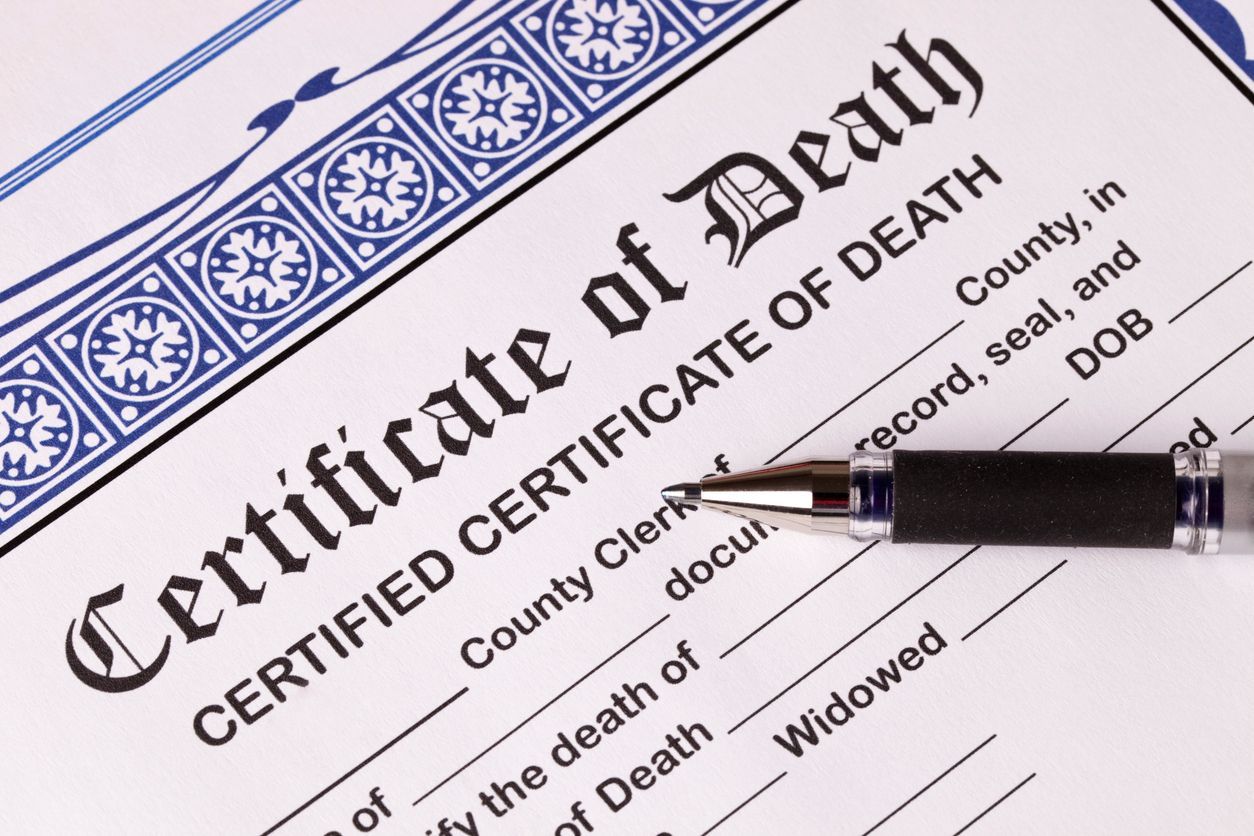
A death certificate is an official government-issued document that legally records a person's death. In Ontario, this document is issued by the Office of the Registrar General through ServiceOntario. It acts as the definitive proof of passing for all formal administrative duties.
Depending on the format requested, a death certificate may contain:

- Full legal name of the deceased
- Date of death
- Place of death
- Cause of death, where applicable and permitted by the specific certificate type
- Registration details and vital statistics numbers
- Personal identifying information, such as age and marital status
A death certificate is primarily needed for legal and administrative tasks. Whenever you interact with financial institutions or government bodies, they will request this official proof. Common situations requiring a death certificate include:
- Settling an estate and managing probate matters
- Filing life insurance claims
- Closing bank accounts and cancelling credit cards
- Applying for pension or survivor benefit claims
- Notifying government agencies to stop health coverage or old-age security payments
When organizing paperwork, it is often recommended to order multiple copies of the death certificate, as many institutions require an original or a certified copy for their files.
What Is a Cremation Certificate?
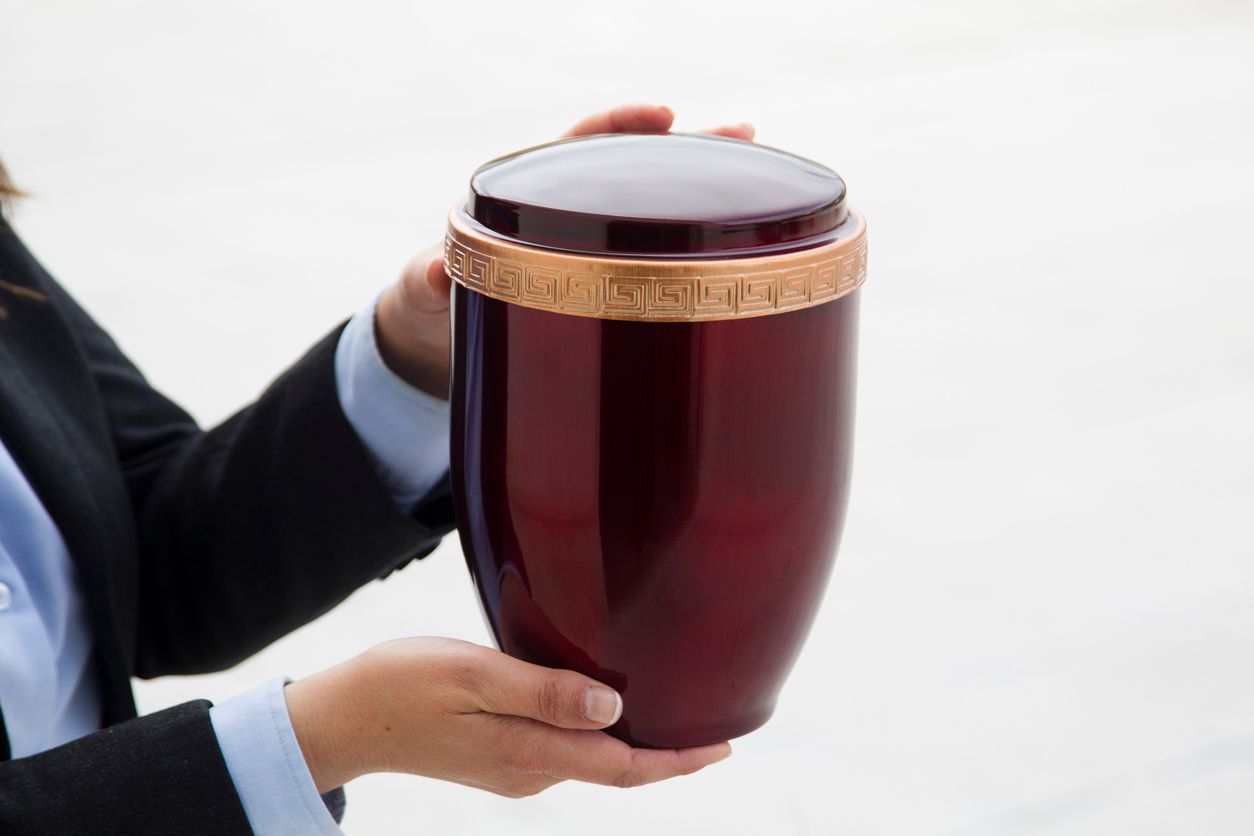
A cremation certificate, sometimes called a certificate of cremation, is a document that confirms the cremation has taken place. It is usually issued by the crematorium or the chosen cremation provider immediately after the cremation.
This document serves as a record of the physical disposition of the body. A standard cremation certificate typically contains:
- Name of the deceased
- Date of cremation
- Place of cremation
- Crematorium or provider details
- Cremation registration or reference number
- Confirmation that the cremation process was completed
It is important to clarify that this document is not the same as a permit or an authorization form. A cremation authorization form or a municipal burial permit is paperwork completed before the cremation takes place. The cremation certificate is strictly a post-cremation document that verifies that the requested services have been fulfilled.
Cremation Certificate vs Death Certificate: Key Differences
Understanding exactly what each document does can alleviate stress when handling affairs. The table below outlines the primary distinctions between these forms.
| Document | Main Purpose | When It Is Used | Who Usually Issues It |
|---|---|---|---|
| Death Certificate | Proves and records the death legally | Estate, insurance, banking, government matters | Government, registrar, or vital statistics authority |
| Cremation Certificate | Confirms cremation was completed | Transporting ashes, cemetery records, personal records | Crematorium or cremation provider |
| Cremation Authorization Form | Gives permission for cremation to proceed | Before cremation | Signed by authorized next of kin or legal decision-maker |
| Burial/Cremation Permit | Authorizes final disposition where required | Before burial or cremation | Local municipality or registrar, depending on location |
Families frequently need more than one of these documents because each serves a distinct legal, administrative, or practical purpose. Keeping them organized in a single folder can streamline the steps that follow.
Do You Need a Death Certificate for Cremation?
You might wonder if you need the official ServiceOntario death certificate in hand before the cremation can occur. The short answer is that while official death documentation is required, the exact paperwork varies by province, municipality, and the specific circumstances of the death.
In Ontario, a cremation provider or funeral home will coordinate the necessary steps. You do not need the final, government-issued death certificate to proceed with the cremation. Instead, the process relies on localized medical and municipal forms.
Here is what you need to know about pre-cremation requirements:
- The death must be officially documented by a medical professional or coroner (Medical Certificate of Death) before cremation can occur.
- The family and the provider will complete a Statement of Death to register the passing with the local municipality.
- Once registered, the municipality issues a burial permit, which is mandatory for cremation.
- Cremation usually requires a signed authorization form from the legally authorized person.
- A cremation provider can explain exactly what documents are required for your specific situation.
- Additional paperwork may be needed in cases involving a coroner or medical examiner.
Families should always rely on their cremation provider, the municipality, or the proper authority for exact requirements. This ensures all local laws are respected without adding unnecessary burdens on the grieving family.
Do You Need a Cremation Certificate After Cremation?
Yes, a cremation certificate is quite useful after the cremation is completed. While the death certificate handles financial and legal matters, the cremation certificate is essential for matters relating directly to your loved one's ashes.
Families may need a cremation certificate for several reasons:
- Transporting cremated remains locally or domestically
- Taking ashes across international borders (customs officers frequently request this document)
- Cemetery or columbarium placement, as groundskeepers require proof of the remains' origin
- Scattering ashes in parks, on water, or in other locations where official documentation is requested by authorities
- Keeping accurate personal family records
- Confirming to other family members that the cremation was completed as planned
When travelling with remains, airlines and security agencies demand proper documentation. Having the cremation certificate readily available prevents delays and ensures a smoother journey.
Who Provides the Cremation Certificate?
The crematorium, cremation provider, or funeral home will provide the cremation certificate after the cremation is completed. Families usually do not need to create or draft this document themselves.
The provider records all the specific cremation details into their system and generates the certificate. This certificate may be included in a package with other post-cremation paperwork and handed to the family along with the ashes. If you ever misplace this document or require an extra copy for a cemetery, you can simply ask the provider how to request additional copies. Most facilities maintain secure records for many years and can easily produce a duplicate.
Can You Use a Cremation Certificate Instead of a Death Certificate?
Usually, no. These documents are not interchangeable.
A cremation certificate confirms only the cremation. It provides physical proof of what happened to the remains but carries no weight regarding the person's legal identity or estate.

A death certificate is the document typically needed for legal, financial, and estate matters. Banks, insurers, government agencies, and estate representatives usually require a death certificate to close accounts or transfer assets. A cremation certificate may support cremation-related records or prove to a family member that the services were rendered, but it does not replace legal proof of death.
When Might Families Need Both Documents?
There are many scenarios in which you will need both documents simultaneously. Because wrapping up a person's life involves both administrative duties and physical memorialization, having both on hand is the most sensible approach.
Examples of when both documents are useful include:
- Settling the estate with a lawyer while also arranging the placement of ashes at a local Toronto cemetery.
- Filing life insurance claims to cover memorial costs while preparing to transport the ashes to another province.
- Closing financial accounts while keeping cremation records for family history.
- Handling the requirements for a columbarium niche, which might need the cremation certificate for the physical urn and proof of death for the contract.
- Managing international travel with cremated remains, where customs agents may ask for both the death certificate and the cremation certificate to verify the identity and the contents of the urn.
Keeping copies of both documents in a safe, easily accessible place can help avoid delays later when dealing with officials or service providers.
How Sensible Choice Cremation Helps With Cremation Paperwork
Managing cremation paperwork can feel overwhelming and confusing, especially during a difficult time. You do not have to figure out the complexities of municipal registrations, medical certificates, and authorization forms on your own.
At Sensible Choice Cremation, we are dedicated to helping families throughout Toronto and the surrounding areas understand exactly what documents are needed. We explain what each form means and clearly outline the steps that occur before and after the cremation. Our goal is to lift the administrative weight off your shoulders so you can focus on what truly matters.
When you work with our team, you receive:
- Clear guidance through all cremation arrangements
- Help in understanding and securing the required documents.
- Simple, compassionate support tailored to your unique situation
- Practical answers without pressure or rushed decisions
- Assistance for families planning an immediate cremation or exploring pre-planning options
Our team handles local registrations and ensures you receive the correct certificates on time. We are proud to offer professional cremation services that prioritize clarity and peace of mind.
If you are unsure which documents you need, contact Sensible Choice Cremation for caring, straightforward guidance.
Navigating Your Paperwork with Confidence: A Brief Recap
Losing a loved one brings a wave of emotional and administrative responsibilities. Understanding the paperwork does not have to be a source of added stress. To recap, a cremation certificate is not the same as a death certificate. The death certificate is a formal government document used to settle estates, close bank accounts, and manage legal affairs. Conversely, the cremation certificate is issued by your cremation provider to confirm the cremation was completed, which is essential for travelling with ashes or placing them in a cemetery.
By recognizing the purpose of each document, you can approach the days ahead with greater clarity. Whether you are dealing with local Ontario requirements or planning to travel internationally with your loved one's remains, having the right forms in hand ensures a smoother process. Remember, you do not have to navigate these steps alone. Rely on your cremation provider to guide you through the necessary authorizations and help you secure the correct certificates, ensuring your family's needs are met with dignity and care.
Recent Posts
A Sensible Approach