How Much Ash Is Left After Cremation?

March 31, 2026

Share this article

Number First Name Last Name Email Address
1 Anne Evans anne.evans@mail.com
2 Bill Fernandez bill.fernandez@mail.com
3 Candice Gates candice.gates@mail.com
4 Dave Hill dave.hill@mail.com

Following a cremation, families often ask how much ashes in cremation they should expect. A valid question, which is why we have put together this general guideline to give you an accurate starting point for planning.


Losing a loved one is a difficult experience that brings a wave of complex emotions and unfamiliar questions. At Sensible Choice Cremation in Toronto, we know that practical uncertainties often compound the grief you are feeling. You want to make the best possible decisions for your loved one, but navigating the technical details can feel overwhelming. We are here to provide clear, grounded, and compassionate information. Understanding exactly what to expect regarding the final remains can help ease your mind, allowing you to focus on honouring a life well lived.


Key Takeaways

  • Average Weight: Adult cremated remains generally weigh between four and eight pounds, depending heavily on the individual’s skeletal frame.
  • Measurement Rule: For urn shopping, one pound of living body weight translates to roughly one cubic inch of cremated remains.
  • Composition: The remains are entirely composed of processed bone fragments, not powdery wood ash.
  • Visual Appearance: The final remains feature a coarse, sand-like texture with colours ranging from light grey to bright white.
  • Planning Ahead: Standard adult urns hold approximately 200 cubic inches, which accommodates the vast majority of individuals safely and securely.

Quick Answer: How Much Ashes Does Cremation Produce?

The average adult cremation produces approximately four to eight pounds of ashes. This amount equates to roughly 3.5 percent of the individual’s total body weight before the process begins. When considering the volume required for a memorial urn, these remains generally occupy between 150 and 200 cubic inches.


To help you understand the expectations across different individuals, we have provided a quick reference table below.


Individual Profile Average Body Weight Estimated Ash Weight Estimated Volume
Adult Male 180 to 200 lbs 6 to 8 lbs 180 to 200 cubic inches
Adult Female 140 to 160 lbs 4 to 6 lbs 140 to 160 cubic inches
Child 40 to 80 lbs 1 to 3 lbs 40 to 80 cubic inches
Infant 5 to 15 lbs Under 1 lb 10 to 20 cubic inches

What Are Cremation Ashes Made Of?

A common misconception is that cremated remains are similar to the soft, powdery soot left behind by a campfire or a fireplace. In reality, the substance returned to the family is entirely different in both composition and texture. Cremation ashes are exclusively composed of processed bone fragments.


During the intense heat of the process, all organic matter, clothing, and combustible materials are fully vaporized. The only elements that survive this environment are the inorganic bone structures of the human body. These remaining bone fragments consist primarily of calcium phosphates and other trace minerals.


Once the initial process is complete, the bone fragments are carefully allowed to cool. A trained professional then uses specialized equipment, a cremulator, to process these fragments into a uniform consistency. This final step is essential for preparing the remains for placement in an urn or for scattering in a meaningful location. The result is a stable, inorganic compound that will not degrade over time, offering a permanent and physical connection to your loved one.


A common misconception is that cremated remains are similar to the soft, powdery soot left behind by a campfire or a fireplace. In reality, the substance returned to the family is entirely different in both composition and texture. Cremation ashes are exclusively composed of processed bone fragments.


During the intense heat of the process, all organic matter, clothing, and combustible materials are fully vaporized. The only elements that survive this environment are the inorganic bone structures of the human body. These remaining bone fragments consist primarily of calcium phosphates and other trace minerals.


Once the initial process is complete, the bone fragments are carefully allowed to cool. A trained professional then uses specialized equipment, a cremulator, to process these fragments into a uniform consistency. This final step is essential for preparing the remains for placement in an urn or for scattering in a meaningful location. The result is a stable, inorganic compound that will not degrade over time, offering a permanent and physical connection to your loved one.


Why So Little Ash Is Left After Cremation

It is completely natural to feel surprised that a full-grown human body results in just a handful of pounds of final remains. To understand why this happens, it is helpful to look at human biology. The human body is composed primarily of water, muscle tissue, and internal organs. In fact, water makes up roughly 60 percent of a healthy adult's body.


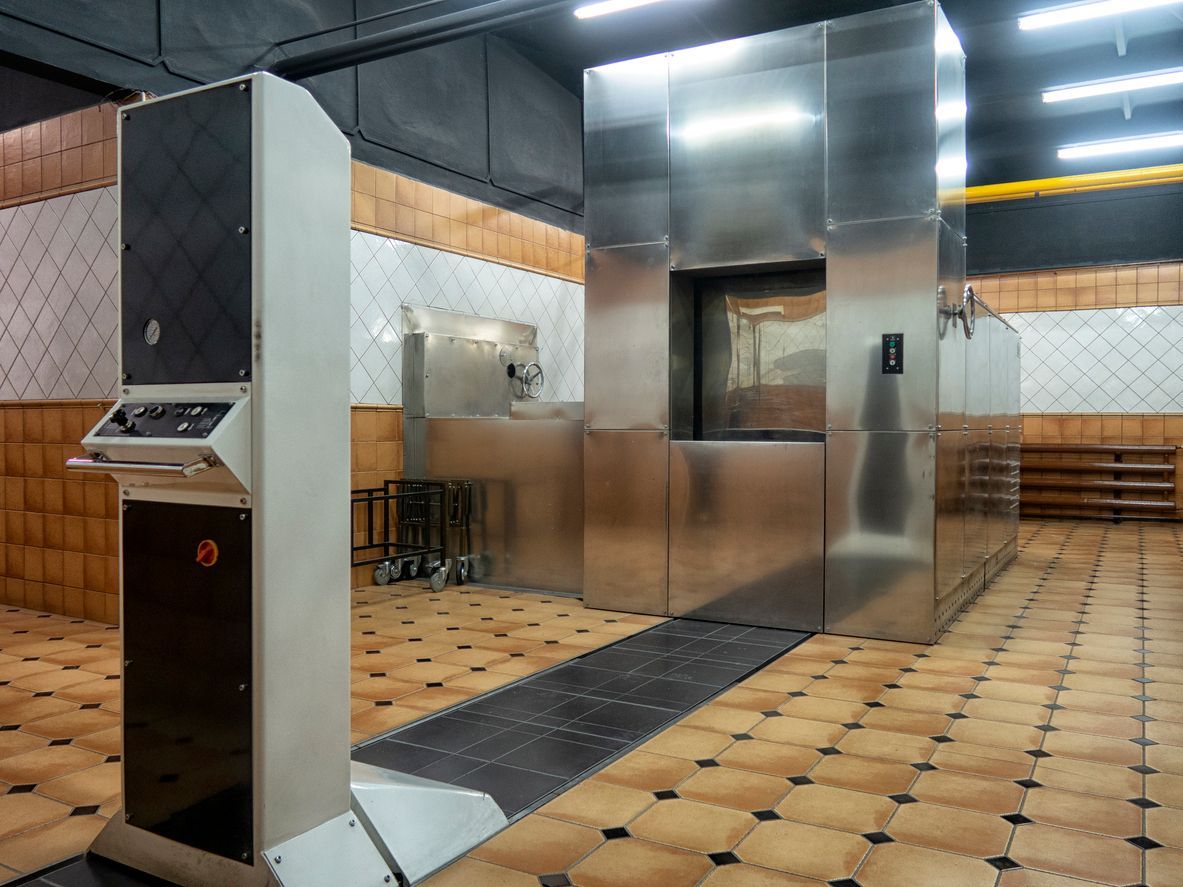
When a person undergoes cremation, they are placed in a chamber that reaches very high temperatures, often ranging between 760 and 980 degrees Celsius. At these intense temperatures, all the moisture within the body evaporates. The organic tissues, muscles, and organs are similarly vaporized and safely dissipated into the atmosphere as natural gases.


Because the vast majority of our physical weight comes from water and soft tissue, all of that weight simply vanishes during the process. The only material dense enough to withstand the heat is the human skeleton. Therefore, the remains you receive represent the dense core of the body. Keeping this simple biological reality in mind can help families understand the profound transformation that takes place.


How Ashes Are Measured

When you begin the process of selecting an urn or planning a memorial, you will quickly notice that ashes are measured in two different ways. Knowing the difference between weight and volume is critical to making the right practical choices. Weight is measured in pounds or kilograms, giving you an idea of how heavy the urn will be to lift or transport. Volume, however, is measured in cubic inches.


In the funeral and memorial profession, cubic inches serve as the standard unit of measurement for urn sizing. If an urn is listed as having a 200 cubic inch capacity, it means the interior hollow space can accommodate that specific volume of material.


To simplify the planning process, the industry relies on a general rule. One pound of healthy body weight roughly correlates to one cubic inch of ash volume. For example, if your loved one weighed 175 pounds, you should look for an urn with a minimum capacity of 175 cubic inches. At Sensible Choice Cremation, we always recommend choosing an urn with a slightly larger capacity than you think you might need. Having extra space provides peace of mind and ensures that all remains are kept safely together.


Factors That Affect How Much Ash Is Left

While the one pound to one cubic inch rule is an excellent starting point, the exact amount of remains will always vary from person to person. No two bodies are exactly alike, and several distinct biological factors directly influence the final volume and weight of the cremated remains.


  • Body Size: A person’s height and skeletal frame matter far more than their overall body weight. A tall, naturally slender person will leave behind more remains than a shorter person of the exact same weight because the taller person has a larger skeletal structure. Fat and muscle do not contribute to the final ash volume.
  • Bone Density: This is the single most critical factor in determining the final weight of the remains. Individuals with naturally dense bones will leave behind heavier ashes. On the other hand, conditions such as osteoporosis, which reduce bone density, will result in a lighter overall yield.
  • Age: Bone density naturally peaks in our late twenties and gradually decreases as we age. Elderly individuals generally have lighter and more fragile bones, meaning their cremated remains will weigh less than those of a younger adult of the exact same height.
  • Gender: There are minor differences related to biological sex. On average, males tend to have higher bone density and larger skeletal frames than females, typically resulting in slightly more cremated remains.
  • Cremation Process Variables: The specific equipment used, the duration of the process, and the calibration of the cremulator can introduce very slight variations in the final volume of the remains. Professional operators manage these variables to ensure the highest standards of care.

How Much Ashes Are Left for Adults, Children, and Infants

Discussing the cremation of individuals at different stages of life requires deep sensitivity. We know this is an incredibly heavy topic, but providing clear facts helps families prepare for what they will receive. The amount of remains varies dramatically depending on the individual's age and physical development.


For standard adults, families can expect a general range of 4 to 8 pounds of remains, filling roughly 150 to 200 cubic inches. This accommodates the vast majority of the adult population.


For children and young adolescents, the volume is significantly less. Because a child’s skeletal system is still developing and growing, their bones have not yet reached maximum density. Families can generally expect between one and three pounds of remains, which typically require an urn with a capacity of 40 to 80 cubic inches.


In the heartbreaking event of an infant loss, the resulting remains are incredibly small. An infant’s skeletal structure is largely composed of cartilage rather than fully calcified bone. Because cartilage is soft tissue, much of it is vaporized during the process. Families may receive less than one pound of remains, sometimes measuring just a few ounces. Please know that specialized, delicate care is taken to recover every possible fragment so that families can bring their little one home.


How Much Ashes Fit in an Urn?

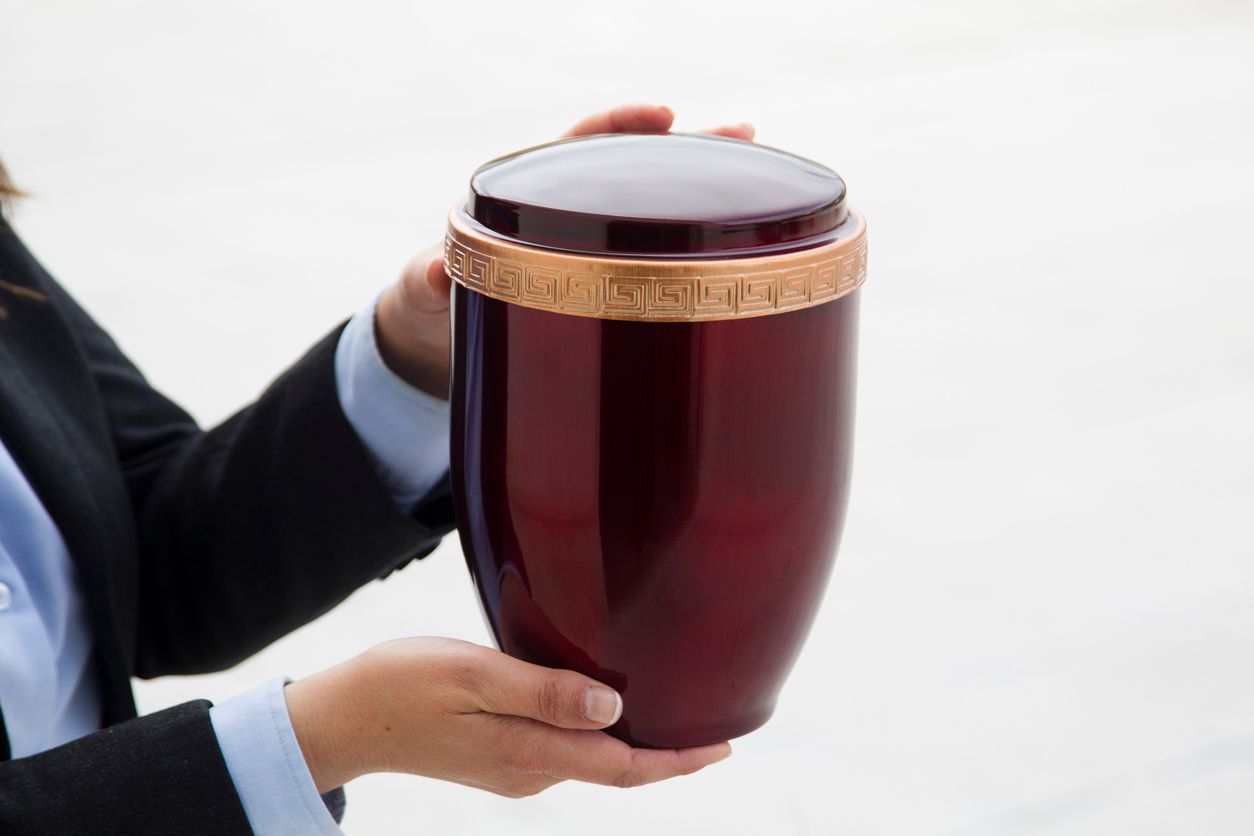
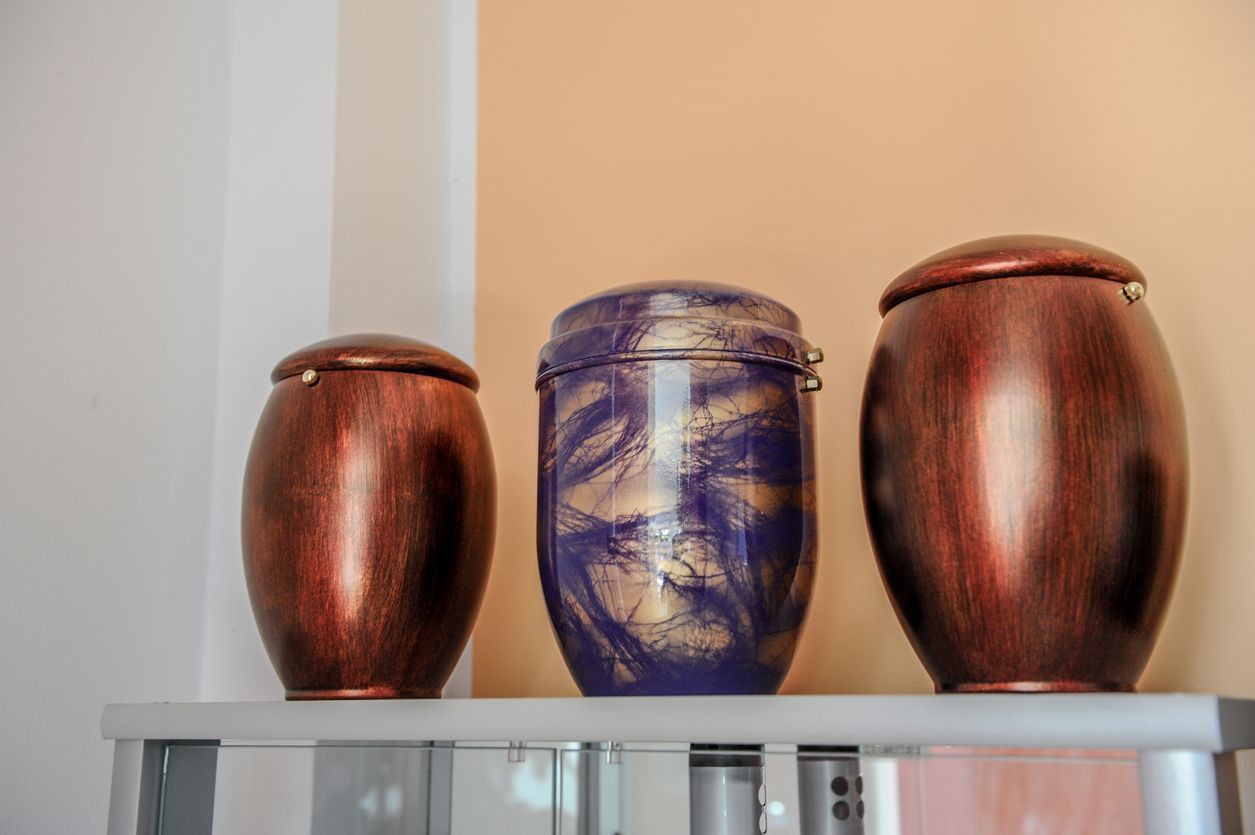
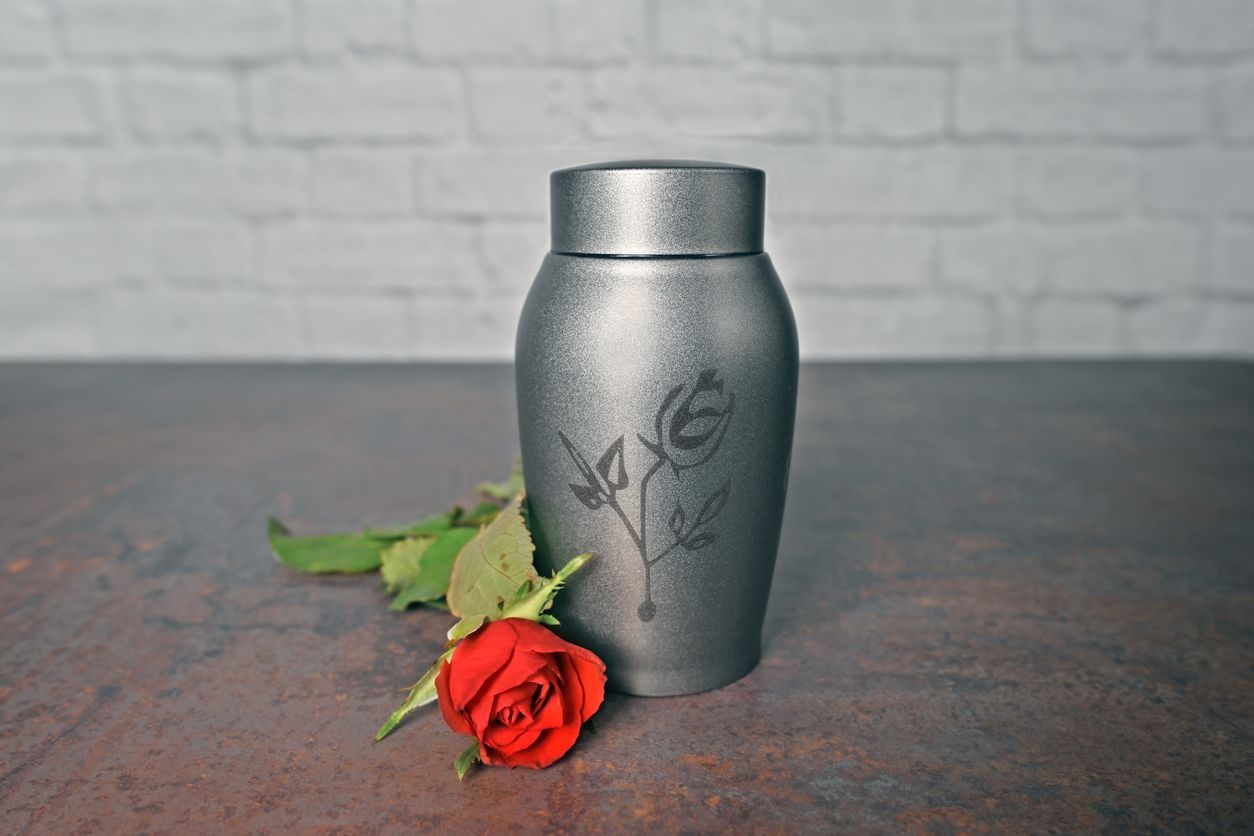
Selecting the right resting place is a profoundly personal decision. Most standard adult urns on the market today are manufactured to hold approximately 200 cubic inches of cremated remains. This size is purposefully designed to safely accommodate the vast majority of the adult population.


Choosing the right size involves using the one-to-one ratio mentioned earlier, but you also have other options depending on your family’s wishes. If your loved one was exceptionally tall or had a very large frame, you might want to consider an extra-large urn, which can hold up to 300 cubic inches. Alternatively, companion urns hold up to 400 cubic inches and are designed for couples who wish to be interred together eternally.


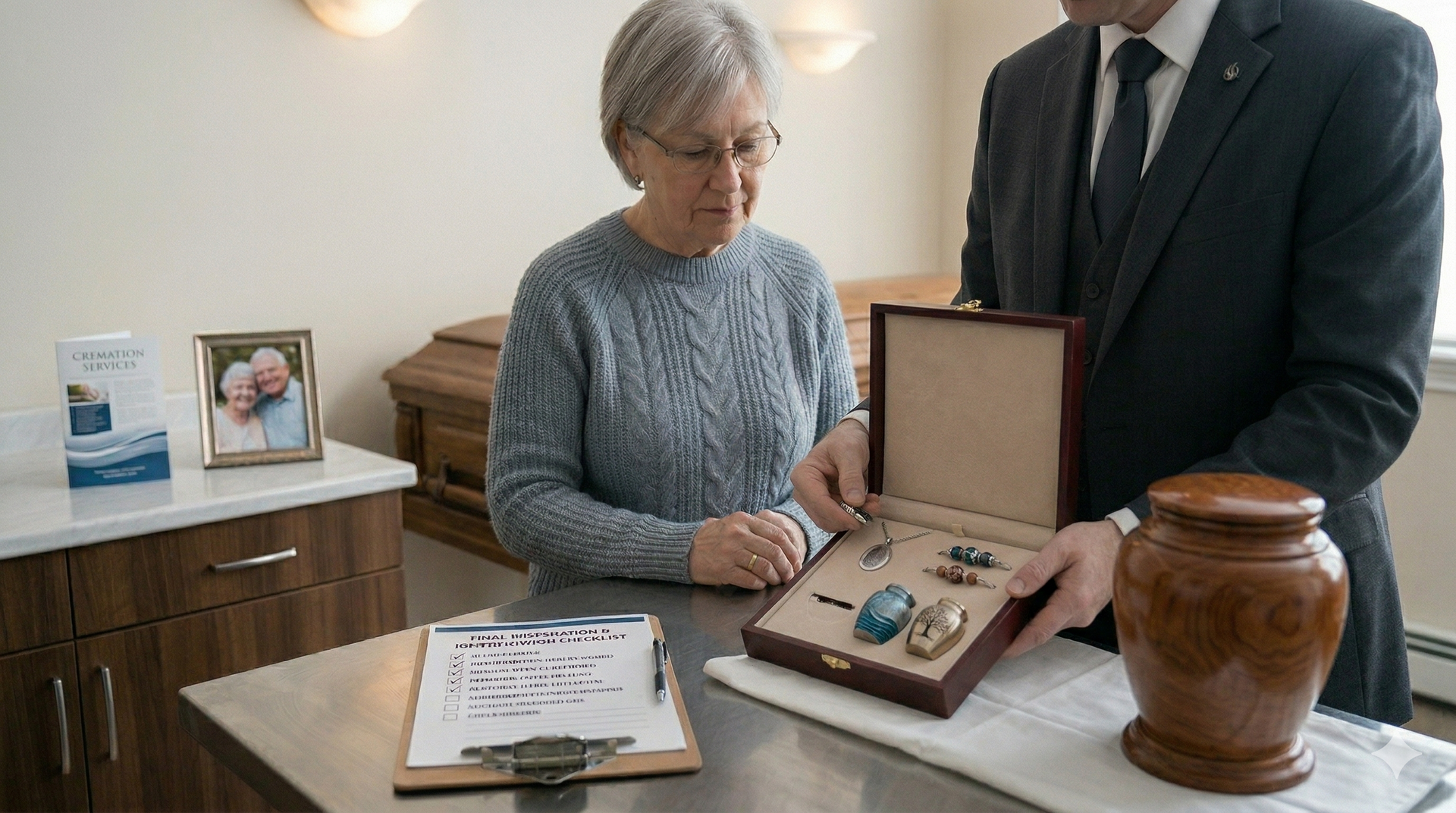
It is also important to know that you are not obligated to keep all the remains in a single vessel. Many families choose to divide the ashes, especially if relatives live in different cities or provinces. You can use multiple smaller keepsake urns, which typically hold a small portion of remains, allowing siblings or children to each have a memorial in their own homes. Cremation jewellery is another beautiful option, requiring only a tiny pinch of ashes to be sealed inside a wearable pendant or ring. If you are unsure how to transfer remains into different vessels, our dedicated professionals can handle this delicate process for you.


What Do Cremation Ashes Look Like?

When families finally receive the urn, they often wonder what the contents actually look like. Because popular media frequently misrepresents the appearance of ashes by showing them blowing away lightly in the wind, the reality can sometimes be surprising.


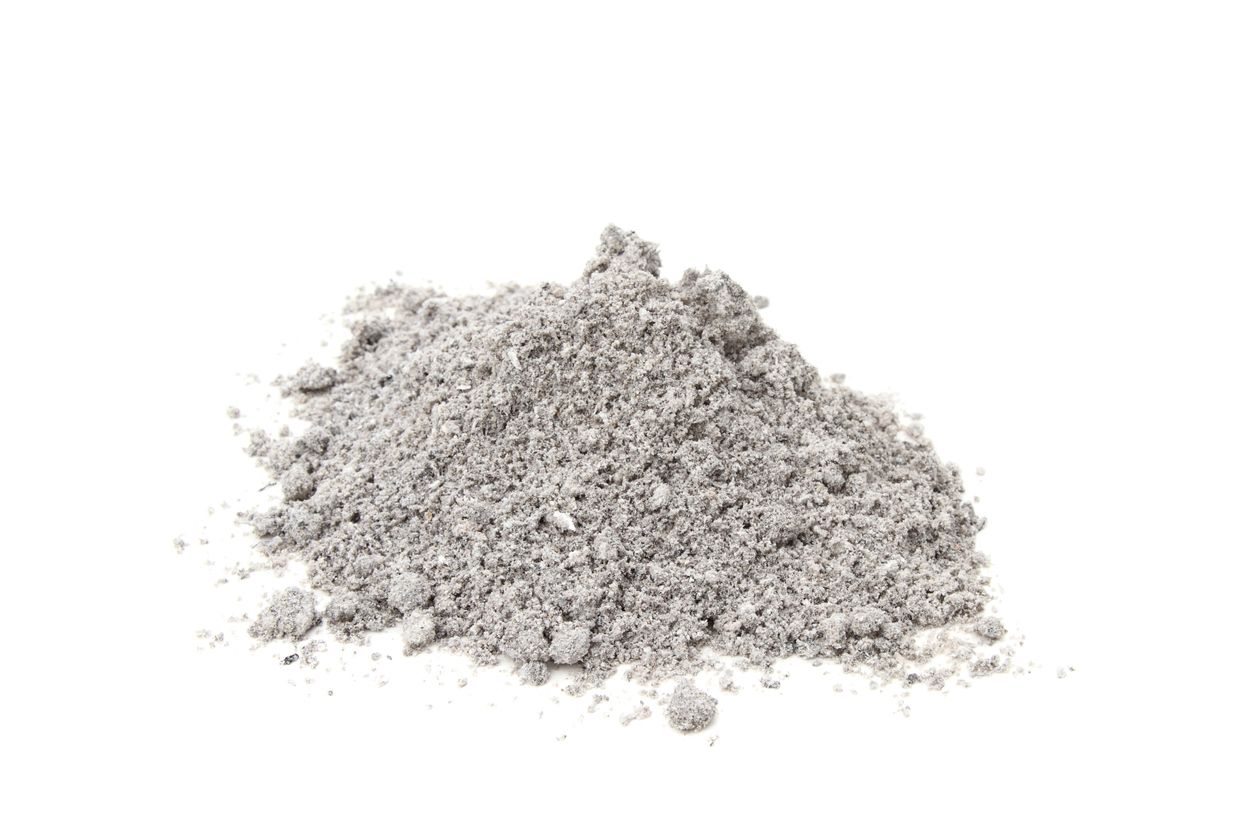
Cremated remains possess a coarse, granular texture that is very similar to aquarium gravel or coarse beach sand. They are not soft, fluffy, or powdery. When you look closely, you will see uniform, crushed bone fragments.


The colour of the remains is typically pale light grey or stark white. However, it is normal to notice very slight variations or flecks of different colours within the remains. These minor discolourations are natural and usually result from the specific mineral composition of the individual’s bones, or from remnants of medical implants or treatments they received during their life. Knowing what to expect visually can help alleviate any shock or anxiety if you choose to open the urn or participate in a scattering ceremony.


Preparing for the Future: Understanding Cremation Remains and Honouring Your Loved One

Making end-of-life arrangements requires balancing emotional grace with practical decision-making. By understanding that cremated remains account for roughly 3.5 percent of a person’s body weight and that bone density and height affect the final volume, you are better equipped to select the perfect memorial urn.


At Sensible Choice Cremation, we believe that transparency and education are essential parts of the grieving and planning process. Our comprehensive cremation services are designed to support Toronto families through every step of this difficult journey, ensuring that you never have to guess or feel unsupported. Whether you are actively planning for a loved one who has passed or you are making pre-arrangements for your own future, having clear facts brings undeniable peace of mind.


Recent Posts

A Sensible Approach

body preparation for cremation
By Kinship Admin March 31, 2026
Learn how a cremation service works in Ontario, from legal authorization to the 2 to 3-hour process in the chamber. Understand the rigorous tracking and care involved in returning your loved one's remains.
cremation arrangements toronto
By Kinship Admin March 31, 2026
Learn how a cremation service works in Ontario, from legal authorization to the 2 to 3-hour process in the chamber. Understand the rigorous tracking and care involved in returning your loved one's remains.
cremation arrangements
By Kinship Admin March 31, 2026
Learn how long cremation takes in Ontario, from the 1.5 to 3-hour physical process to the 5 to 7-day total timeline for paperwork and the return of remains.
Cremation Arrangement in Toronto
By Kinship Admin March 27, 2026
This cremation guide breaks down pricing for direct cremation in Toronto/Ontario. Learn what’s included in this affordable, dignified option at Sensible Choice.
February 5, 2026
Discover meaningful and creative ways to celebrate a life after direct cremation in Newcastle, from personalized memorials to unique keepsakes.
January 28, 2026
Explore the emotional and financial benefits of pre-planning final arrangements to provide peace of mind for your loved ones.
January 20, 2026
Discover how pre-planning your final arrangements can provide lasting emotional and financial peace of mind for your family.
January 8, 2026
Explore the emotional and financial benefits of pre-arranging cremation services to provide peace of mind for you and your family.
January 8, 2026
Discover the essential steps of the aftercare process, from the return of remains to final resting options, following a simple direct cremation.
December 31, 2025
A compassionate step-by-step guide to the practical steps required immediately following a loss, helping families navigate the initial journey with dignity.
December 31, 2025
Learn how pre-planning a direct cremation in Hamilton can provide your family with emotional relief and financial certainty.
December 15, 2025
Discover how pre-planning your final arrangements is a thoughtful, sensible step that removes emotional and financial burdens from your family during their time of grief.
Show More