Do You Need a Permit to Transport Cremated Remains? | Sensible Choice Cremation

Dealing with the loss of a loved one brings many responsibilities. Among the practical steps families often face is relocating a loved one to their final resting place. Whether you are planning to scatter ashes in a meaningful location, moving to a new province, or taking your loved one back to their home country, you may find yourself asking: do you need a permit to transport cremated remains?
​
At Sensible Choice in Toronto, we understand that grasping the legal and logistical requirements of moving remains can feel overwhelming. We are committed to providing you with clear, accurate information so you can make arrangements with confidence and peace of mind. This comprehensive guide outlines the rules for transporting ashes locally, domestically, and across borders.
Key Takeaways
- In most instances, a specific permit is not required for domestic travel within Canada.
- Carrying official documentation, such as a death certificate and a cremation certificate, is highly recommended for all forms of transport.
- Air travel requires a temporary container made of materials that can be scanned, such as wood, plastic, or cardboard, to pass through airport security checkpoints.
- International travel is more complex and often requires additional paperwork, including a burial transit permit, depending on the destination country.
- Proper preparation prevents delays and ensures a respectful journey for your loved one.
The Short Answer: Usually, No Permit is Required in Canada
For families moving ashes within the country, the rules are straightforward. Generally, you do not need a dedicated permit to move ashes from one city to another or across provincial lines.
However, it is vital to distinguish between a permit and documentation. While a formal permit is usually unnecessary for domestic travel, having the right documentation is strongly recommended. Proper paperwork serves as proof of the contents of the urn and prevents delays during transit or security screenings. The main exception to the no-permit rule involves international travel, where destination countries often enforce strict entry requirements for human remains.
What Documents Do You Need to Transport Cremated Remains?
When preparing for travel, having the correct paperwork is just as important as choosing the right container. Understanding the documents needed for cremated remains will help you avoid unnecessary stress. You should keep the following documents with the urn at all times:
- Cremation certificate: Issued by the crematorium, this document confirms that the cremation complied with the law. Meeting standard cremation certificate requirements is essential for validating the contents of the urn.
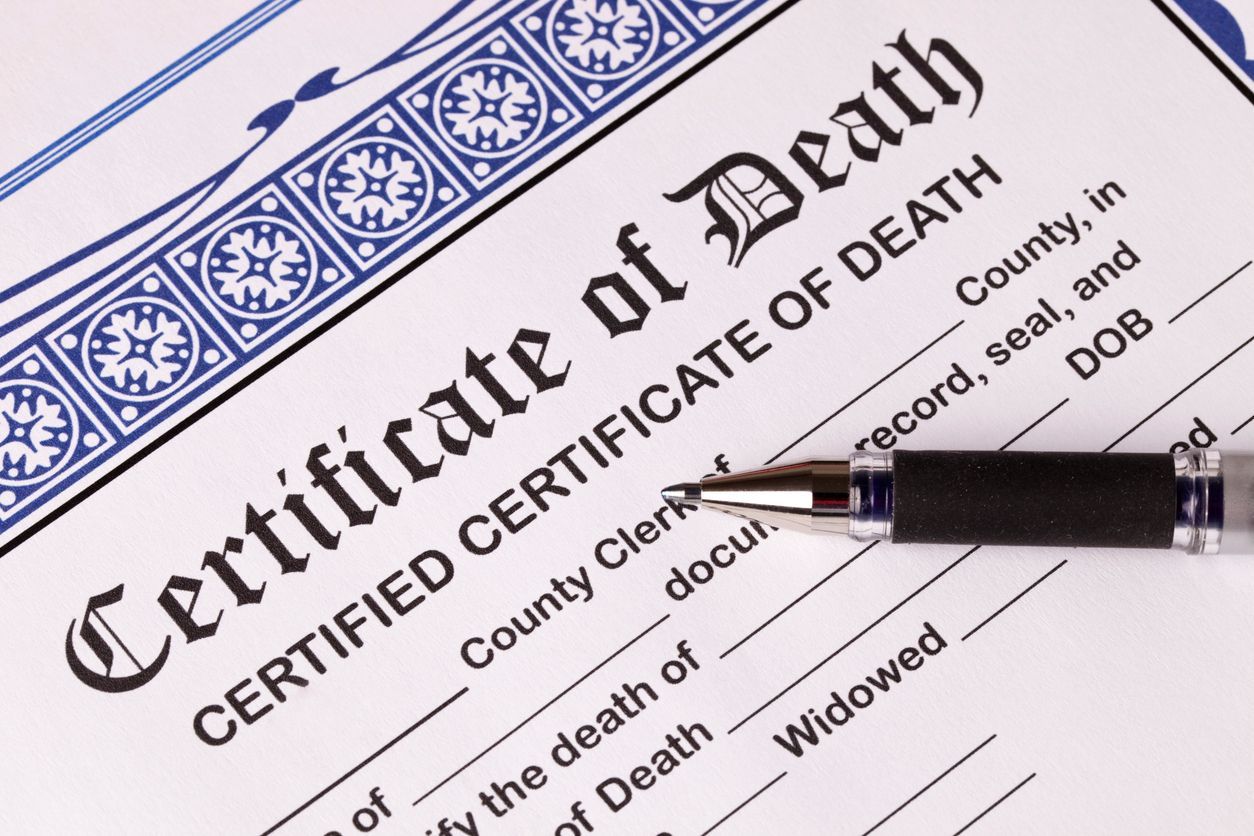
- Death certificate (recommended): A provincial death certificate or a funeral director's statement of death provides further legal proof of passing.
- Authorization from funeral provider (if applicable): If a third party is transporting the ashes on your behalf, a letter of authorization from the legal next of kin or the funeral director may be requested.
These documents effectively replace the need for domestic permits and ensure transparency if you are questioned by transit authorities.
Transporting Cremated Remains Within Canada
If you are planning on transporting cremated remains, Canada offers a straightforward process. There are no provincial border checkpoints that restrict the movement of ashes. You are permitted to move ashes using several methods:
- Personal vehicle: Travelling by car is the simplest method. Ensure the urn is securely closed and placed in a stable position within the vehicle to prevent tipping.
- Air travel: Domestic flights allow the transport of ashes, provided security guidelines are met.
- Mail: You can send ashes to another Canadian address, but specific packaging and shipping rules must be strictly followed.
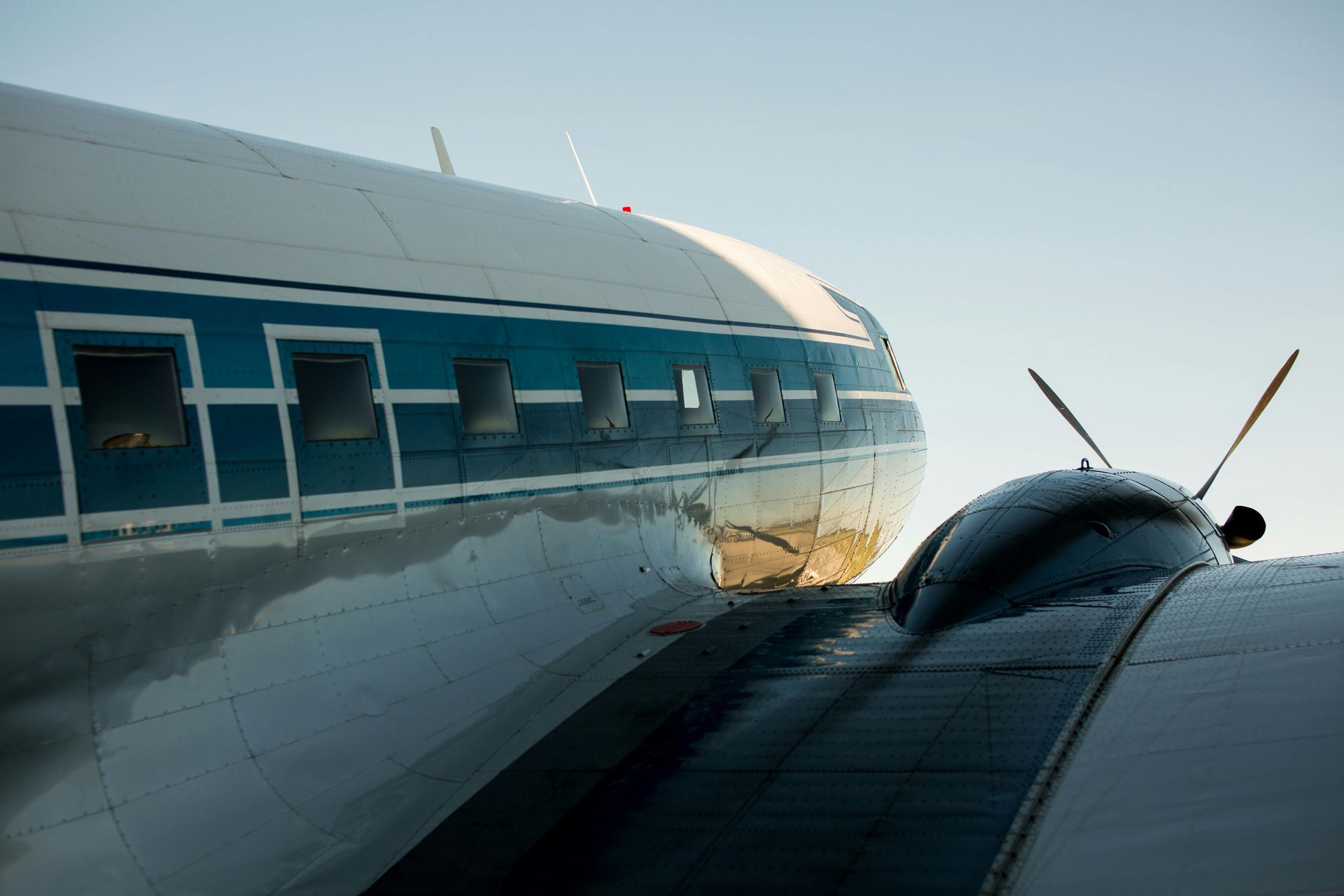
Transporting Cremated Remains by Plane
Many families wonder, "Can you travel with ashes on a plane?” The answer is yes, but you must adhere to strict guidelines set by the Canadian Air Transport Security Authority (CATSA) and your chosen airline.
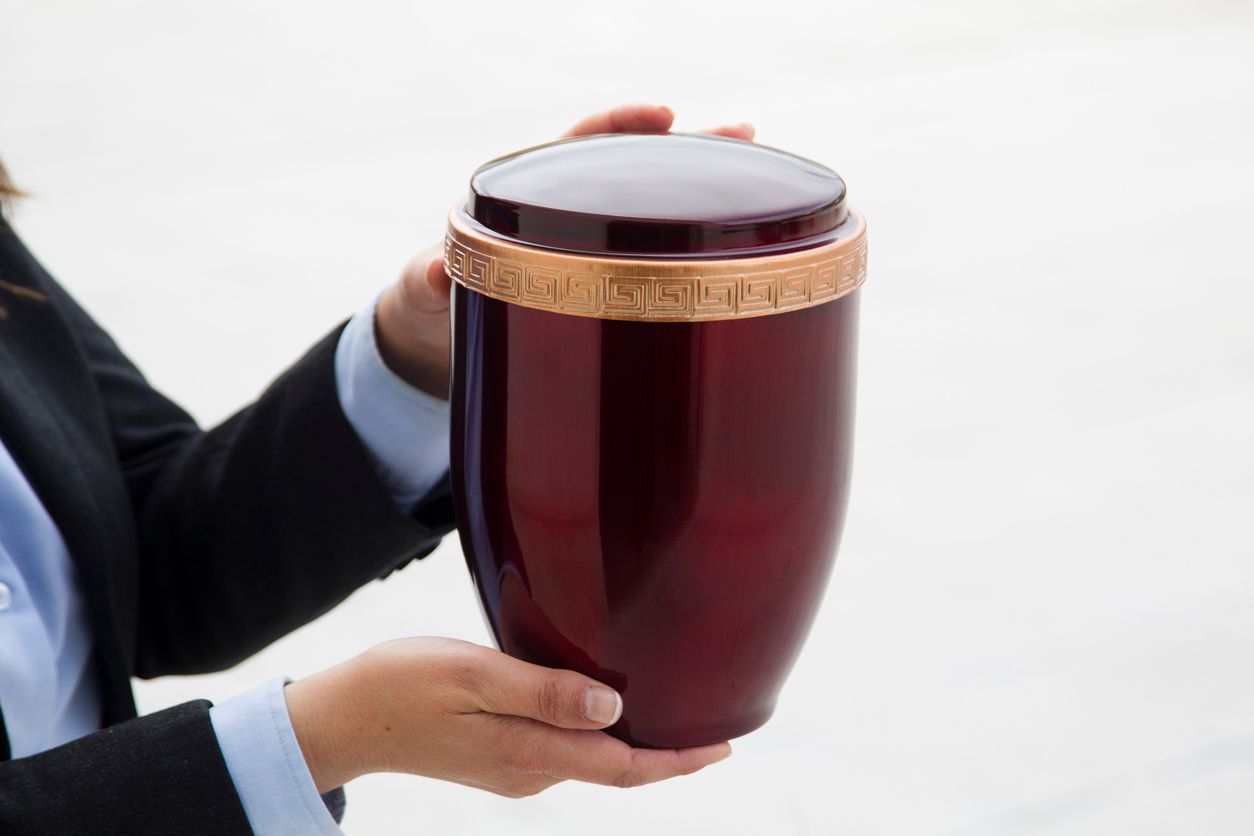
To pass through security screening, the container must be successfully X-rayed. This means you must follow specific urn airport rules. Metal urns, stone urns, and dense ceramic containers will block the X-ray machine. If the screening officers cannot see inside the container, it will not be allowed past the checkpoint. Security personnel are not permitted to open the urn for a visual inspection under any circumstances. Therefore, you must use a temporary container made of plastic, cardboard, or thin wood.
Additionally, check your specific airline's policies. While most airlines allow ashes as carry-on baggage, some may have specific regulations regarding checked baggage or require advance notice.
Mailing Cremated Remains in Canada
If you are unable to travel in person, mailing the ashes via Canada Post is a viable and legal option. Canada Post is the only carrier permitted to handle shipping cremated remains Canada-wide. Courier services like FedEx or UPS do not accept human remains.
When using Canada Post, strict packaging rules apply. The ashes must be placed inside a sealed, sift-proof inner container. This inner container must then be placed inside a durable outer package with sufficient packing material to prevent movement and damage. You must also include copies of the death certificate and the cremation certificate inside the package. It is recommended to use a trackable shipping method with a signature required upon delivery to ensure the package arrives safely at its destination.
Do You Need a Permit for International Travel?
When it comes to transporting ashes internationally, the process requires more careful planning. Do you need a permit for international travel? In many cases, yes. The requirements depend entirely on the destination country.
Some nations require a burial transit permit, which Canada issues to authorize the export of human remains. Other common requirements may include:
- Consular authorization or a letter from the embassy of the destination country.
- A certified copy of the death certificate.
- A notarized cremation certificate.
- An inspection declaration verifying that the urn contains only cremated remains.
Because international transport rules vary significantly by region, you must check with the consulate or embassy of the destination country well in advance of your travel date.
Bringing Cremated Remains Into Canada
If you are returning to Canada with a loved one's ashes, the process is generally simpler than exporting them. However, you must declare the ashes to the Canada Border Services Agency (CBSA) upon arrival.
The CBSA officer will likely ask to see the death certificate and the cremation certificate issued by the foreign crematorium. As long as these documents are present and in order, there are typically few restrictions on bringing ashes into the country.
Step-by-Step Guide to Transporting Cremated Remains
To help you manage cremated remains travel rules, follow this systematic approach:
- Choose transport method: Decide whether you will drive, fly, or use postal services.
- Gather documentation: Collect the death certificate and cremation certificate. Keep originals and copies in a safe, accessible place.
- Select appropriate container: Use a sift-proof container for all travel. If flying, ensure the container is made of X-ray-friendly materials, such as plastic or wood.
- Check airline or postal rules: Review the CATSA guidelines or Canada Post packaging requirements before heading to the airport or post office.
- Confirm international requirements (if applicable): Contact the relevant embassy or consulate to secure any necessary permits for cross-border travel.
Common Mistakes to Avoid
Transporting ashes involves a few common pitfalls that can easily be avoided with proper preparation.
- Not carrying documentation: Failing to bring the cremation and death certificates can lead to significant delays at security checkpoints or border crossings.
- Using non-compliant urns: Attempting to take a metal or dense stone urn through airport security will result in the urn being rejected.
- Ignoring airline or country-specific rules: Assuming all airlines and countries have the same policies can result in denied boarding or confiscated items.
- Assuming no rules apply internationally: While domestic travel is simple, international travel frequently requires consular approval or specific permits.
Do You Need a Funeral Director to Transport Ashes?
A funeral director is not legally required for domestic transport. Families are fully permitted to move ashes within Canada on their own.
However, a funeral director is highly recommended for international transport. Funeral professionals possess the experience to handle complex embassy requirements, secure the appropriate burial transit permits, and ensure all documentation is properly translated and notarized. Their assistance can provide significant relief during an already challenging time.
Checklist: Transporting Cremated Remains
Use this checklist to ensure you have covered all necessary steps before you begin your journey:
- Carry the official cremation certificate.
- Carry a copy of the official death certificate.
- Use an approved, secure, and sift-proof container.
- If flying, ensure the container is made of X-ray transparent material.
- Confirm transport rules with your airline or Canada Post.
- Prepare and organize all documents in an easily accessible folder.
- If travelling internationally, secure all necessary consulate approvals.
- Secure the ashes properly to prevent any accidental spills.
FAQs
Yes, you can carry ashes on a plane. They are generally allowed as carry-on baggage. The container must be made of materials that can pass through an X-ray machine, such as plastic, wood, or cardboard.
Yes, you should inform the security screening officer that you are travelling with cremated remains before your baggage goes through the X-ray machine. If entering Canada, you must declare them to the Canada Border Services Agency.
Yes, but only through Canada Post. You must use a trackable service, ensure the ashes are in a sealed inner container within a durable outer package, and include the necessary documentation.
How Sensible Choice Can Help
At Sensible Choice, we provide compassionate, practical guidance to families in Toronto and the surrounding areas. Whether you need advice on selecting a travel-compliant urn or require assistance coordinating international transport paperwork, our team is here to support you.
We can help you obtain the necessary documentation and ensure you understand all relevant travel regulations. To learn more about our offerings, please visit our cremation services page or explore our pre-planning services to see how we can assist you in advance. If you have questions about specific logistics, review our FAQ or resource pages or reach out directly through our contact page to speak with a knowledgeable advisor. Get help with transporting ashes by contacting us for guidance today.
Navigating the Journey With Confidence: A Recap of Transport Rules
Moving a loved one's ashes requires care, respect, and a clear understanding of the rules. While the process may initially seem complex, knowing the basic requirements can alleviate much of the stress.
To recap, domestic travel within Canada usually does not require a special permit, provided you carry the essential documents, such as the cremation and death certificates. For air travel, selecting an X-ray-friendly container is a strict requirement to pass through airport security smoothly. Mailing ashes is a safe option when using Canada Post's designated procedures.
Finally, if your journey takes you across international borders, preparation is key, as you will likely need to coordinate with foreign embassies and secure a burial transit permit. By following these guidelines and preparing your documentation in advance, you can ensure a smooth and respectful transport experience for your loved one.