
How is a Cremation Service Done?

Navigating the loss of a loved one is a profoundly difficult experience. At Sensible Choice Cremation in Toronto, we understand that making final arrangements can feel overwhelming when you are grieving. One of the most common questions families ask us during this time is, “How is cremation service done?” Transparency is deeply important to us, and we believe that understanding the procedures involved can bring a sense of peace and clarity.
When you know exactly what takes place from the moment your loved one enters our care until their ashes are returned to your family, it removes much of the uncertainty. This guide provides a comprehensive overview of the entire journey, ensuring you have all the facts you need to make informed decisions.
Key Takeaways
- Strict Legal Requirements: The process cannot begin without proper authorization, identity verification, and government documentation.
- Rigorous Tracking: A meticulous chain of custody and identification system guarantees that your loved one is treated with dignity and that the correct ashes are returned to you.
- Careful Preparation: The deceased is respectfully prepared, which includes the necessary removal of battery-operated medical devices.
- The Cremation Itself: The body is placed in a specialized chamber where intense heat reduces it to bone fragments, which are later processed into a fine texture.
- Flexible Timelines: While the physical cremation takes only a few hours, the entire administrative and preparatory timeline usually spans several days.
Quick Overview of How A Cremation Service Works
If you are looking for a straightforward summary of how cremation works, the entire journey can be broken down into five primary stages. It begins with authorization, where legal consent and medical documents are finalized. Next is the transportation of the deceased into our care, followed by a respectful preparation of the body. The actual cremation then takes place in a specialized chamber. Finally, the remains are processed and returned to the family. Every step is handled with the utmost care, ensuring dignity and respect for your loved one from start to finish.
Step 1: Authorization and Documentation
Before any physical steps are taken, there are strict legal protocols to follow. Cremation is an irreversible event, which means provincial laws in Ontario require thorough documentation. First, we must obtain legal consent from the authorized decision-maker, usually the next of kin or the executor of the estate.
Once consent is granted, multiple documents must be secured. This includes a registered Death Certificate and a Cremation Certificate issued by a regional coroner. The coroner must review the circumstances of the passing to ensure there are no legal or medical reasons to delay the procedure. Additionally, identity verification is mandatory. These rigorous administrative requirements are in place to protect the deceased and provide families with absolute certainty that all local regulations have been followed.
Step 2: Transportation of the Deceased
Once the initial paperwork is in motion, the next priority is bringing your loved one into our care. The deceased is respectfully transported from their place of passing (whether that is a hospital, a hospice, or a private residence) to a funeral home or crematory facility.
During this transfer, proper identification is established and maintained. This initial identification marks the beginning of the chain of custody. A dedicated team of professionals ensures that the transport is handled smoothly and discreetly, prioritizing the dignity of the deceased at all times.
Step 3: Preparation of the Body
Following transportation, the preparation stage begins. The specific cremation steps taken during this phase depend largely on the family's wishes. Generally, the body is dressed in clothing selected by the family or draped in a respectful shroud.
A critical part of this preparation involves removing specific medical devices. Items such as pacemakers or implantable defibrillators contain batteries that can cause dangerous explosions when exposed to extreme heat. Once the body is safely prepared, it is placed into a combustible cremation container or a specialized cremation casket. It is important to note that embalming is not a requirement for cremation unless the family has specifically requested a public viewing or an extended visitation prior to the service.
Step 4: Identification and Tracking Process
Understandably, one of the greatest concerns families have is ensuring they receive the correct remains. To provide complete peace of mind, reputable crematories use a highly controlled identification and tracking process.
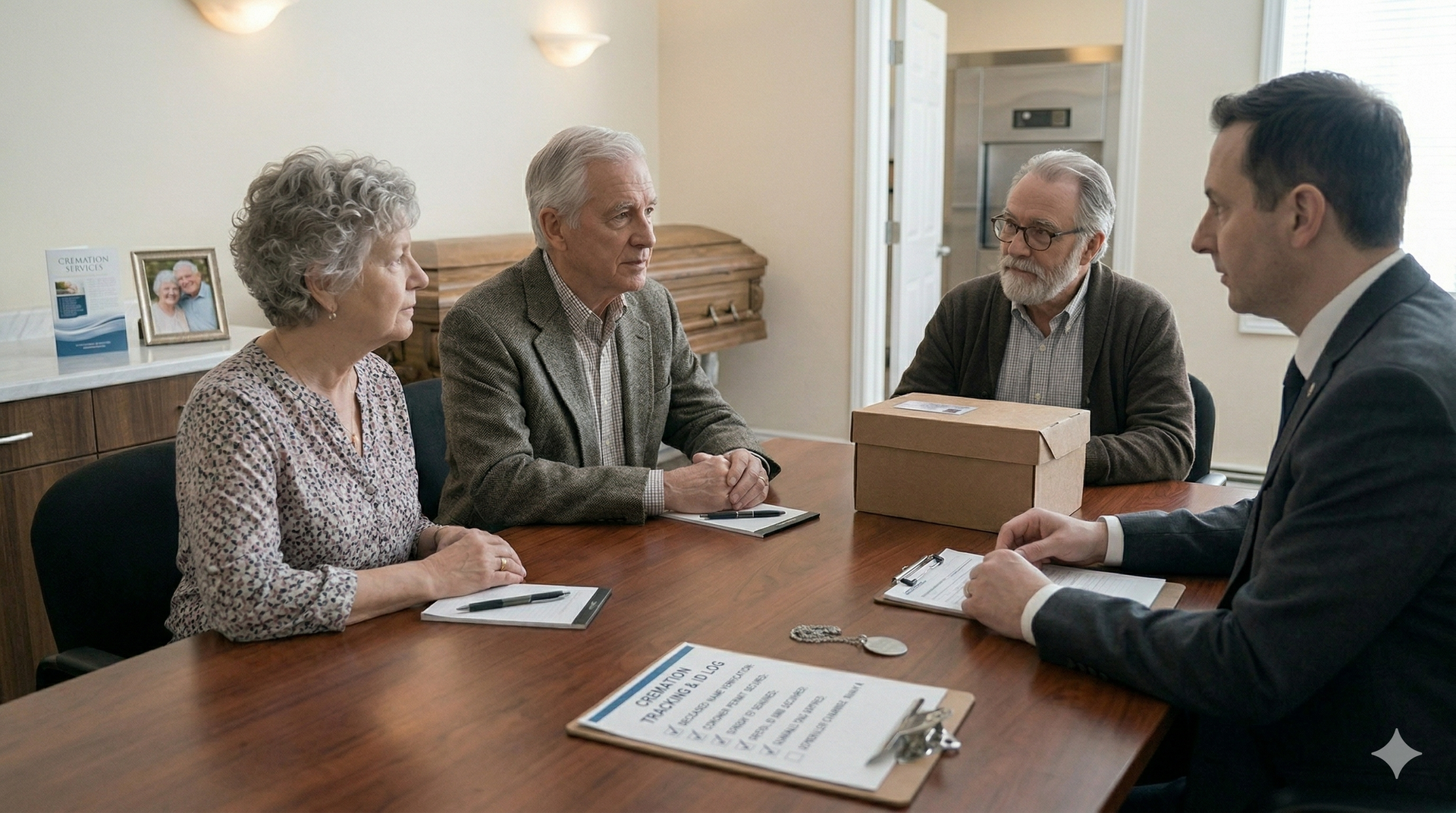
From the moment the deceased enters the facility, an identification tag is assigned to them. This tag includes unique identifying information and remains with the individual throughout the entire sequence of events. Facilities utilize strict logbooks, digital tracking systems, and multiple physical checkpoints to prevent any errors. Before the cremation chamber is ever opened, staff members verify the name and tracking number against the corresponding paperwork to guarantee full accuracy.
Step 5: The Cremation Process
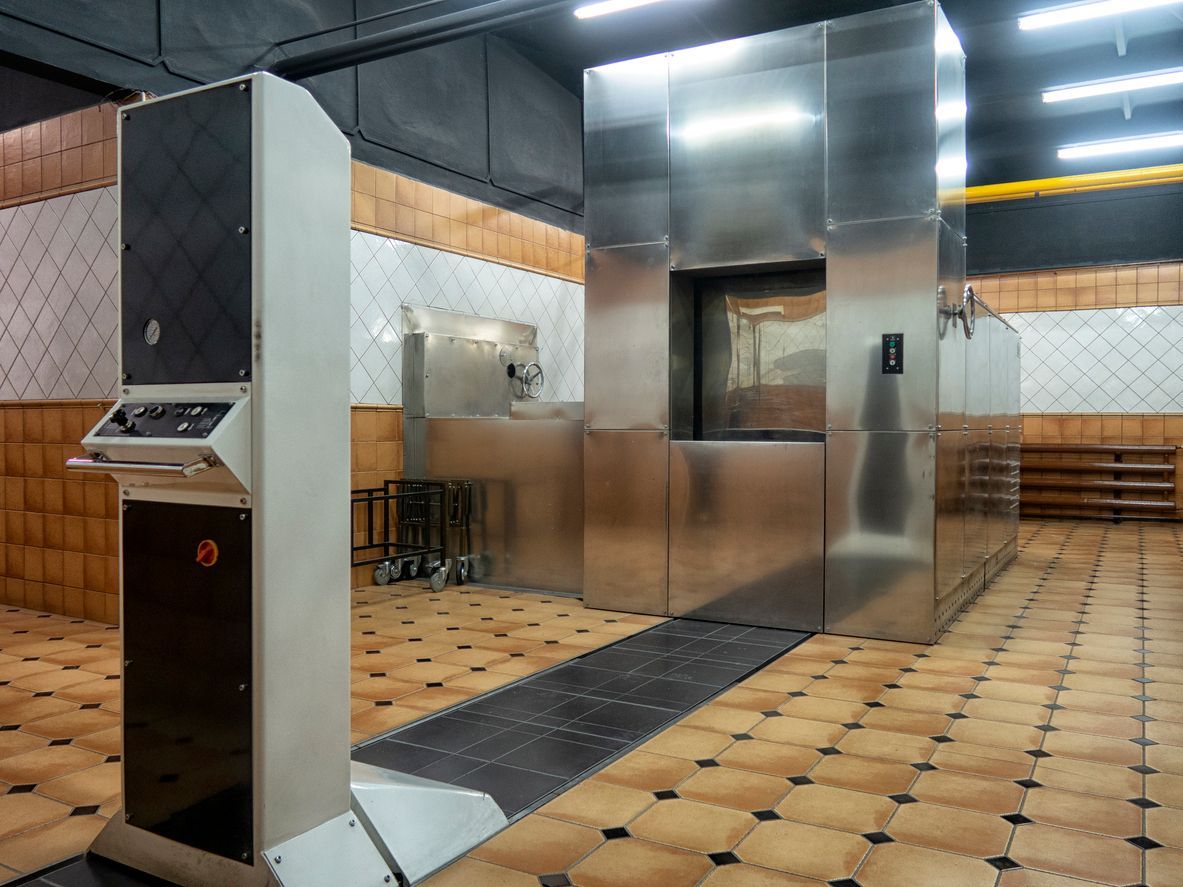
Many families want to know exactly what happens during cremation. The process takes place in a specialized, industrial furnace known as a cremation chamber or retort. The chamber is preheated to an exceptionally high temperature, typically 760-980 °C.
The combustible container holding the deceased is carefully placed inside the chamber. The intense heat, combined with direct flames, reduces the organic matter to essentially bone fragments and completely consumes the container. Depending on the individual's size and the type of container used, this stage typically takes between 2 and 3 hours. We will not go into any unnecessary details, but families can take comfort in knowing that the process is closely monitored by certified technicians to ensure it proceeds safely and respectfully.
Step 6: Processing the Remains
After the active cremation is complete, a cooling period is required. Once the remaining bone fragments have safely cooled, they are carefully removed from the chamber. At this point, the fragments are not yet in the final state that families typically recognize.
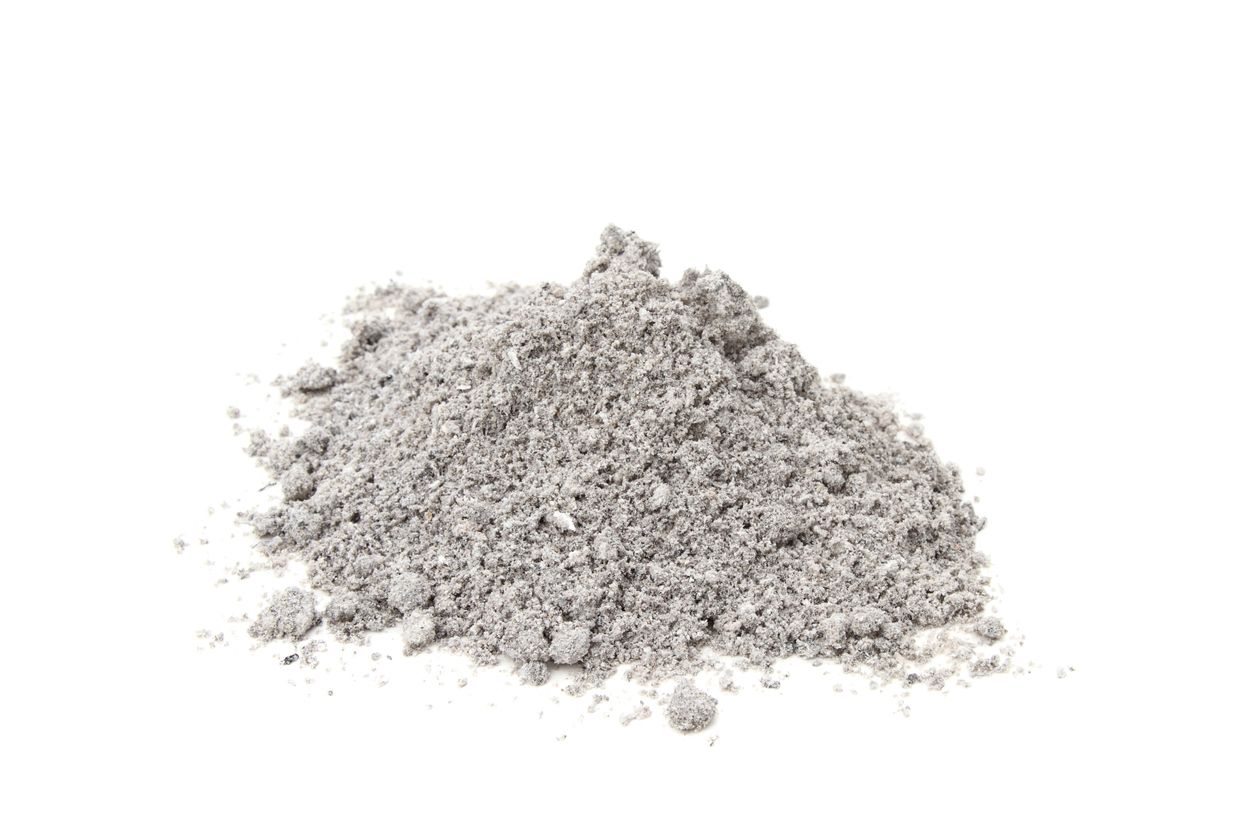
The operator will meticulously scan the fragments to remove any remaining non-organic materials. This includes metal items such as surgical pins, joint replacements, and dental work, which are respectfully recycled or disposed of in accordance with local regulations. The remaining bone fragments are then placed into a specialized mechanical processor. This machine breaks the fragments down into a uniform, coarse, sand-like consistency. This final material is what is commonly referred to as ashes.
Step 7: Return of the Cremated Ashes
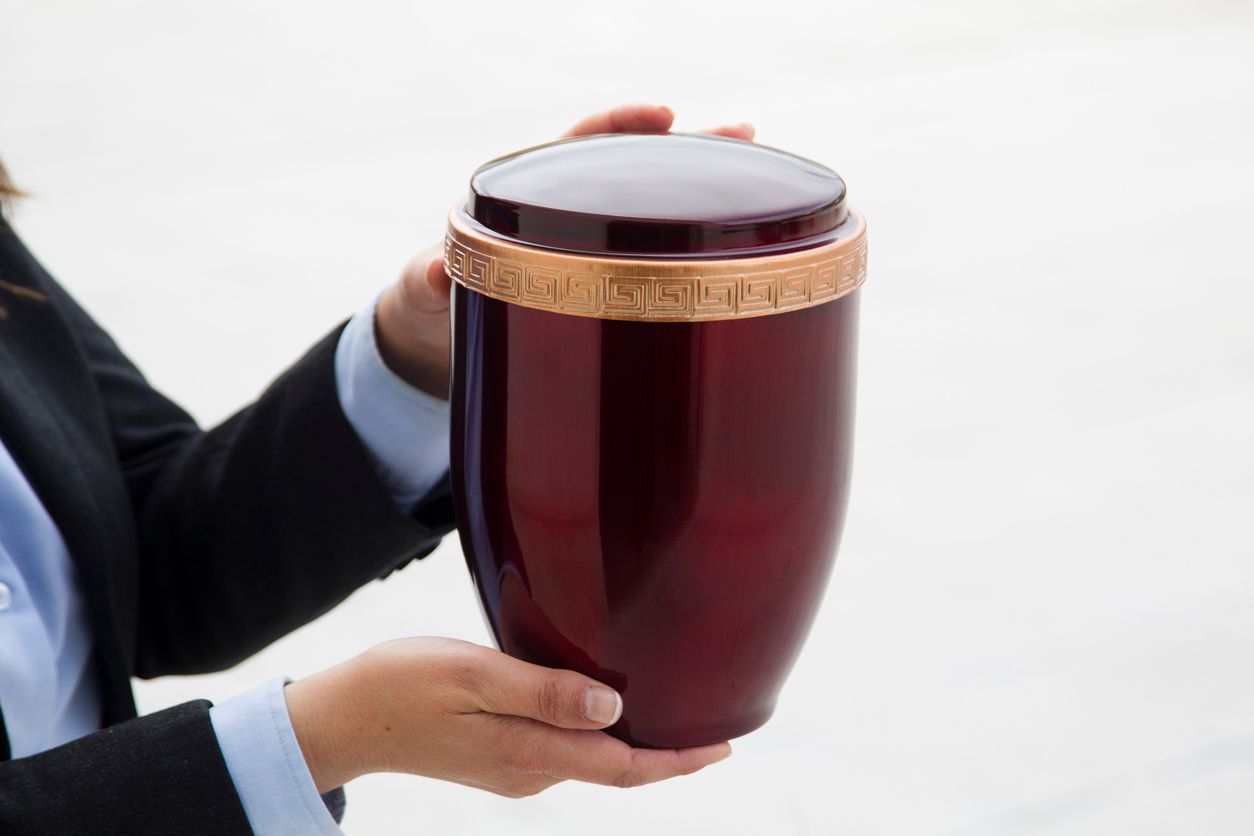
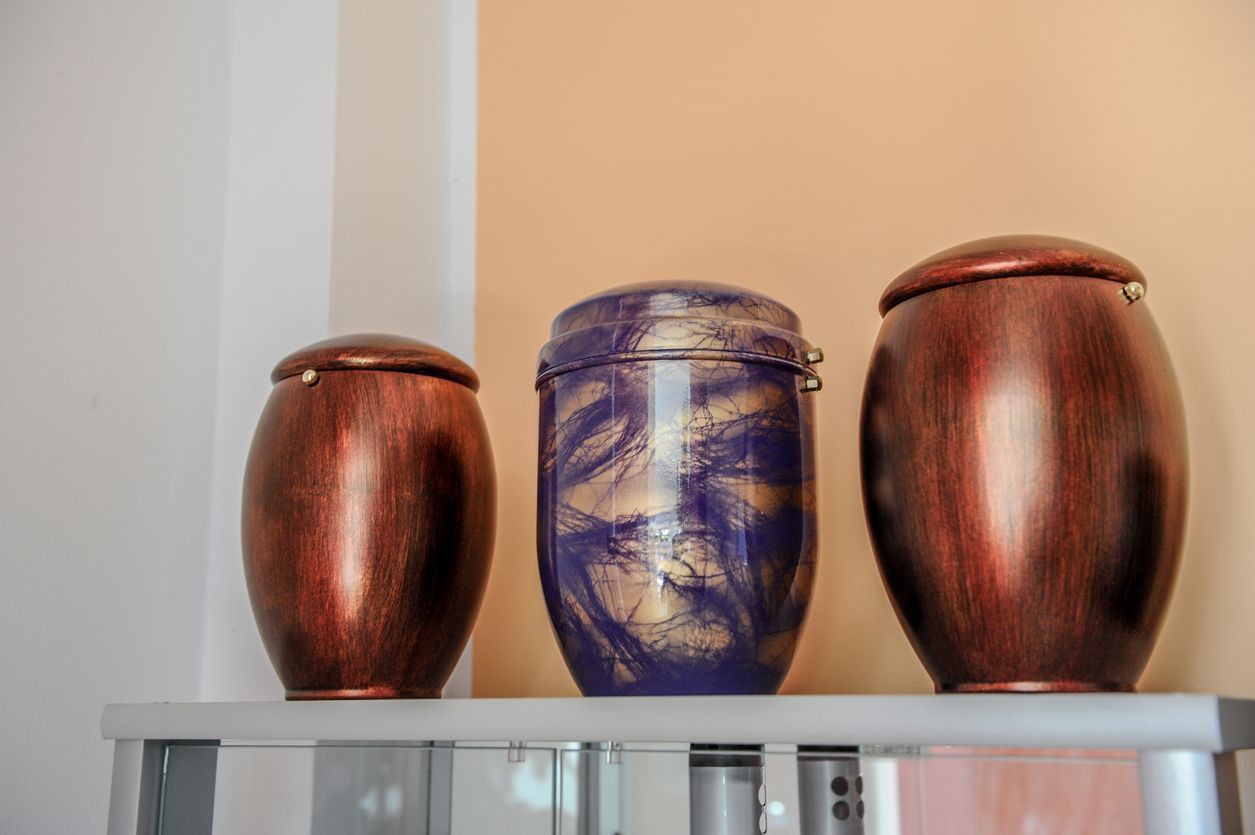
The final operational step is to gather the processed ashes and place them in a secure container. If a family has pre-purchased an urn from Sensible Choice Cremation or provided one of their own, the ashes are placed directly into it. If an urn has not been selected, the ashes will be securely sealed inside a durable temporary container.
The designated family member or authorized representative is then contacted to arrange for the return of the ashes. The timing for this return can vary. Sometimes it happens within a few days, but it may take up to a couple of weeks, depending on how quickly the initial medical paperwork was processed, the scheduling at the crematory, and the family's availability.
How Long Does the Cremation Process Take?
There is an important distinction between the time it takes for the physical cremation and the timeline for the entire service. As mentioned earlier, the time spent in the cremation chamber is relatively brief, typically 2 to 3 hours.
However, the complete timeline from the moment of passing to the return of the ashes generally spans several days to a week or more. In Ontario, there is a mandatory legal waiting period before a cremation can take place. Furthermore, the speed of the administrative phase relies heavily on doctors signing the death certificate, the coroner reviewing the file, and the family completing the authorization forms. Provider workflow and facility scheduling also contribute to the total duration.
Can Families Be Involved in the Cremation Process?
Yes, many modern cremation providers recognize that families may want or need to be involved in the final moments for cultural, religious, or personal reasons.
Depending on the specific facility, families may have the option to witness the beginning of the cremation. This often involves gathering in a dedicated viewing room where they can say a final prayer or simply watch as the container is respectfully placed into the chamber. Additionally, families can arrange a private viewing, a traditional funeral service, or a brief gathering at the funeral home just before the transfer to the crematory takes place. Options vary by location, so it is always best to discuss your specific wishes with your cremation provider early in the planning stages.
What Happens After Cremation?
Once the ashes are returned, families have several meaningful options to honour their loved one. Having the cremation service explained clearly allows families to focus on these final tributes.
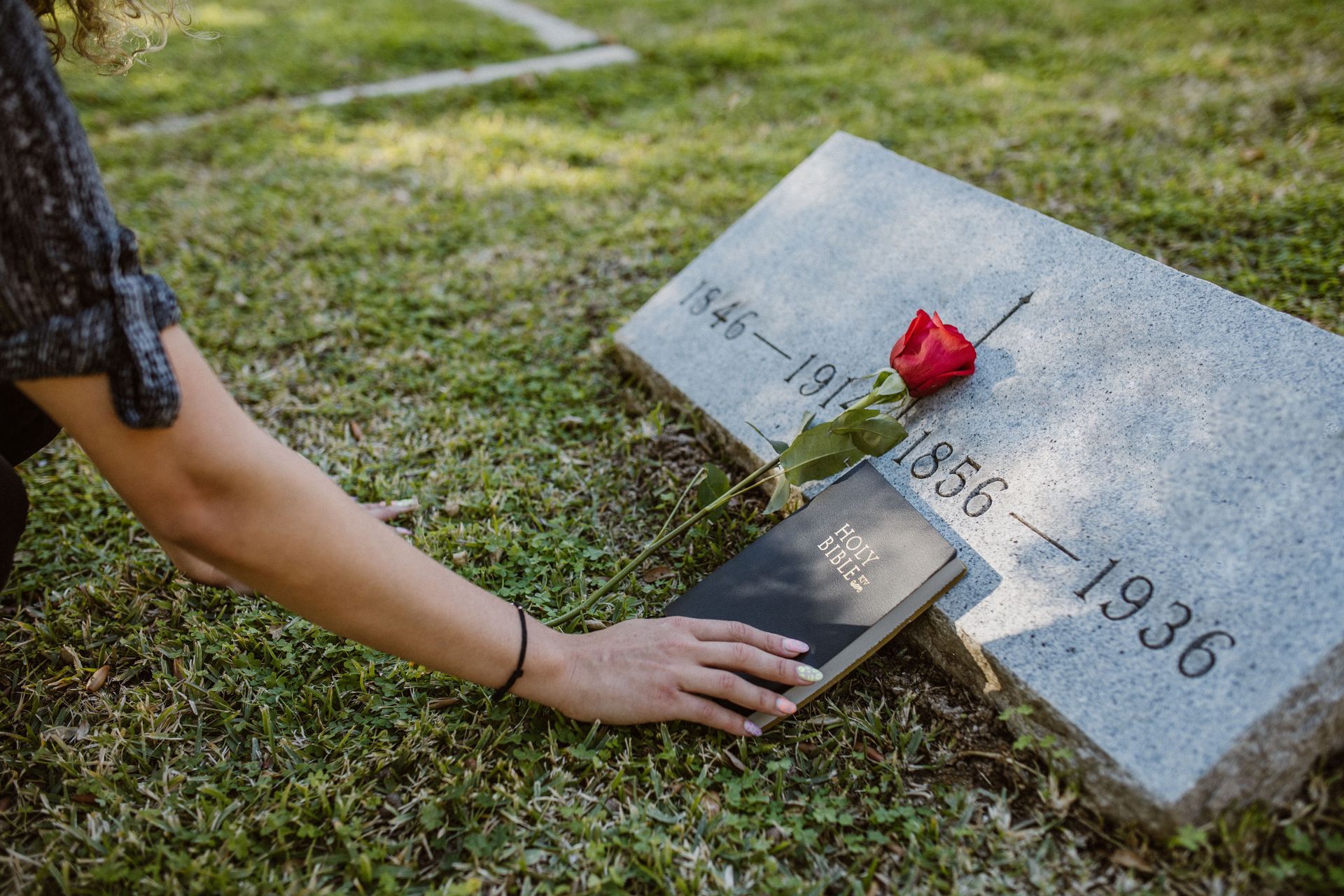
Many families choose to keep the ashes safely at home in a decorative urn. Others opt for a permanent resting place by burying the urn in a cemetery plot or placing it in a columbarium niche. Scattering is also a very popular choice. In Ontario, you may scatter ashes on private property with permission, or on unoccupied Crown lands and specific waterways, provided you follow local guidelines. Finally, some families choose to divide the ashes into smaller keepsake urns or incorporate them into memorial jewelry, allowing multiple family members to keep a physical reminder of their loved one close by.
Understanding the Journey: A Final Reflection on the Cremation Process
Saying goodbye to someone you care about is an emotional journey, but finalizing their arrangements should not add to that stress. By breaking down how the service is performed, we hope to provide clarity and reassurance during a difficult time. From the rigorous authorization and documentation protocols to the meticulous tracking systems, every measure is designed to prioritize dignity. The careful preparation, the controlled environment of the chamber, and the respectful processing of the remains all culminate in the safe return of your loved one to your care.
At Sensible Choice Cremation in Toronto, we are dedicated to supporting you through each stage with professionalism and compassion.