How to Plan a Memorial Service After Cremation (Complete Guide)

Losing a loved one brings a deep feeling of grief. During this difficult period, arranging a fitting farewell can feel daunting. However, knowing exactly how to plan a memorial service after cremation can provide a clear focal point and a sense of purpose. Unlike traditional burials, cremation offers families a flexible timeline, allowing you to create a personalized event that genuinely honours a unique life.
At Sensible Choice in Toronto, we understand the emotional and practical challenges families face. This comprehensive guide outlines the steps required to organize a meaningful tribute, providing clear, localized guidance for Canadian families navigating this process.
Key Takeaways
- Understand the distinction: Knowing the difference between a funeral and a memorial service helps clarify your planning goals.
- Embrace flexibility: Cremation allows you to delay the service until family members are ready and able to gather.
- Budget carefully: Establishing clear financial boundaries early in the process reduces stress.
- Know the regulations: Familiarize yourself with Canadian and Ontario-specific laws regarding ash scattering before finalizing location details.
- Seek support: Professional guidance and grief support resources are available to help you navigate the planning journey.
What Is a Memorial Service After Cremation?
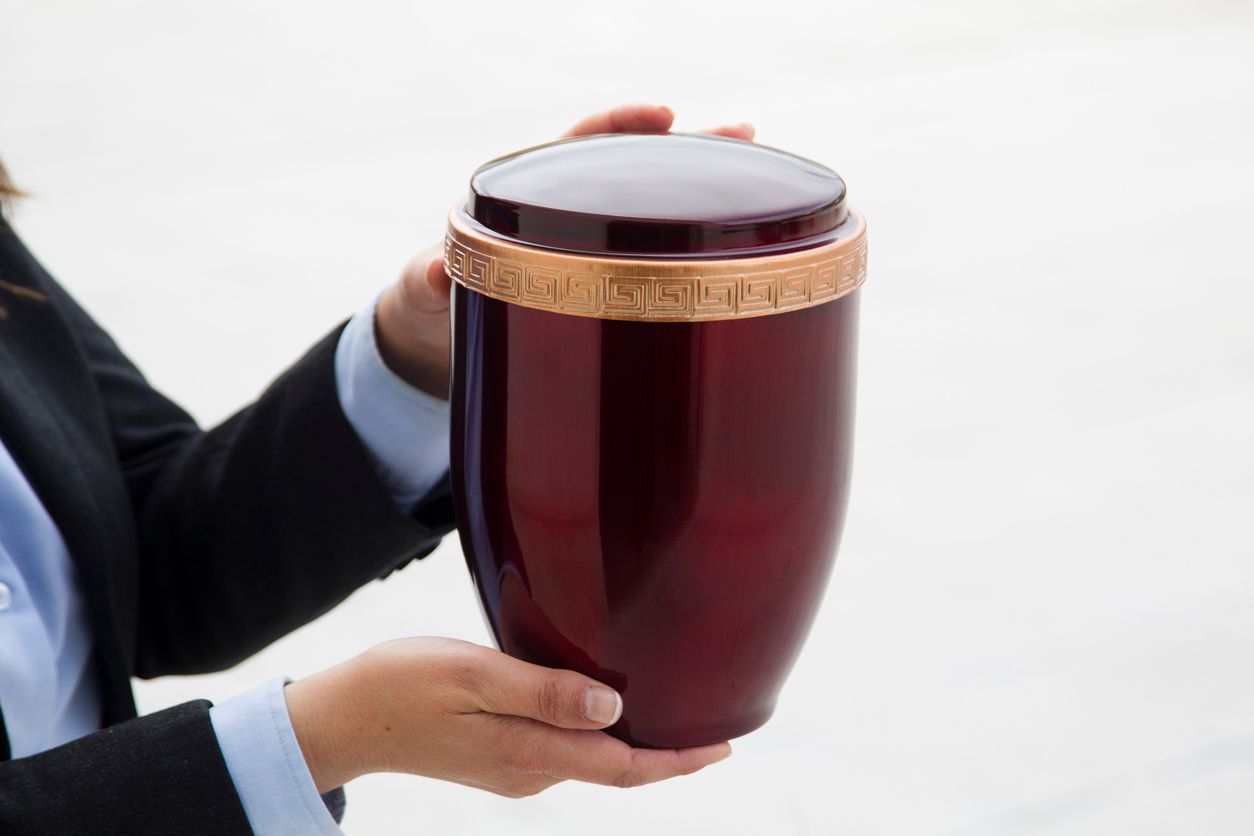
When beginning the planning process, many families ask about the difference between a funeral and a memorial service. The primary distinction lies in the presence of the physical body. A traditional funeral takes place with the body present in a casket, usually within a few days of passing. A memorial service takes place without the body present. Instead, the family may choose to display a cremation urn, framed photographs, or significant personal items.
Families often choose this option because it offers immense flexibility. Without the immediate timeframe required by a traditional burial, you have the freedom to carefully consider your options. This flexibility reduces immediate stress, allowing you time to gather resources, notify distant relatives, and design a remembrance ceremony that accurately reflects your loved one's personality and values.
When Should You Hold a Memorial Service?
There is no strict rule dictating when you must hold a tribute. Typical timelines range from a few weeks to several months after the passing. Some families even choose to wait a full year, holding the event on the first anniversary of the death or on the deceased's birthday.
Several factors influence this timing. Emotional readiness is the most critical component. Grief affects everyone differently, and taking time to process the loss before hosting a large gathering is completely acceptable. Logistical factors also play a major role. In Canada, severe winter weather can disrupt travel plans, so families often delay services until the spring or summer. Delaying the event also ensures that guests travelling from out of town have ample time to arrange transportation and accommodations.
Step-by-Step Guide to Planning a Memorial Service
Proper organization is the foundation of successful cremation memorial service planning. Breaking the process down into actionable steps helps prevent overwhelm.
Step 1 – Decide the Type of Service
The first step is determining the overall tone and structure of the event. Will it be a formal, religious ceremony led by clergy, or a secular gathering focused on shared stories? You must also decide between a formal traditional service or an uplifting celebration of life. Additionally, consider whether the event will be held strictly in person or if you will incorporate a virtual component for guests who cannot attend.
Step 2 – Choose a Location
Because the body is not present, you are not limited to a funeral home or a place of worship. You can host the gathering at a community hall, a local restaurant, a public park, or even a private residence. When planning a cremation service in Canada, you must account for the season. If you select an outdoor venue, ensure you have an indoor backup plan in case of rain or unexpected cold weather.
Step 3 – Set a Budget
Establishing a clear financial plan early prevents unexpected expenses. Typical cost categories include venue rental, catering, officiant fees, and printed materials such as programs or invitations. Overall, you will find that the average memorial service cost in Canada is generally more affordable than a traditional burial. To help manage your budget, you can review our pricing information for a transparent breakdown of expected costs. Cost-saving ideas include hosting a potluck-style reception or utilizing a free community space.
Step 4 – Create a Program
A structured program guides your guests through the event. A simple sample structure might include a welcome address, a reading or poem, a musical interlude, the delivery of the eulogy, an open floor for guests to share brief memories, and concluding remarks. Providing a printed or digital program helps attendees follow along and serves as a keepsake.
Step 5 – Personalize the Service
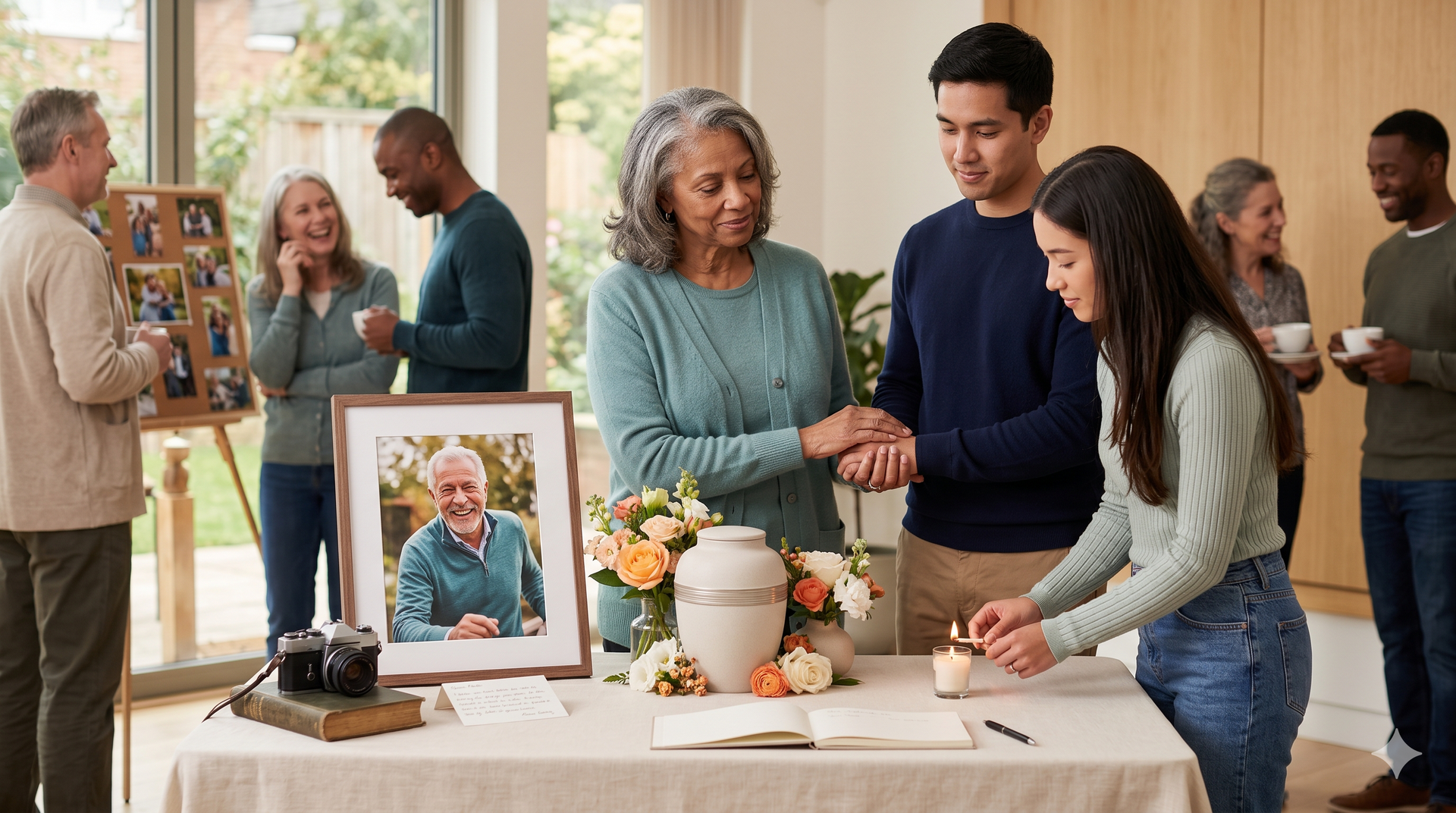
Personal touches transform a standard gathering into a deeply meaningful event. Displaying photographs, playing a curated playlist of their favourite songs, or creating a memory table showcasing their hobbies brings their personality into the room. You can also incorporate specific cultural or religious traditions that held meaning for your loved one.
Step 6 – Choose Speakers
Decide who will lead the service. You can hire a professional celebrant, ask a religious leader, or have a confident family member act as the master of ceremonies. When selecting individuals to deliver a eulogy, choose people who can speak clearly and manage their emotions reasonably well in front of a crowd. Tip for speakers: write your thoughts down, practice reading them aloud, and keep the delivery between three and five minutes.
Step 7 – Plan Memorial Activities
Interactive elements provide comfort and allow guests to actively participate in the farewell. You might organize a formal ash-scattering ceremony, host a candle-lighting ritual, or arrange a tree-planting event. If you plan to scatter ashes, it is vital to understand the local regulations regarding public spaces and waterways in your province.
Step 8 – Handle Logistics

The final step involves the practical details. Send out invitations using digital platforms or traditional mail. Ensure your chosen venue has adequate seating and meets all accessibility requirements for elderly or disabled guests. If you are showing a video tribute or playing music, confirm the audio and visual setup in advance. Finally, arrange a livestream link for family members unable to travel.
Unique Memorial Service Ideas After Cremation
Exploring different memorial service ideas after cremation allows you to tailor the event to your loved one's specific passions. When planning a celebration of life, the focus shifts from mourning a death to expressing gratitude for the time shared.
A celebration of life after cremation can take many creative forms. If your loved one was an avid outdoors person, consider a nature-based gathering at their favourite hiking trail or provincial park. If they were deeply involved in their community, organizing a charity walk or a volunteer day in their name is a beautiful tribute. You can also design a themed memorial based on their interests, such as an art exhibition of their work or a gathering at a local sports venue.
Memorial Service Etiquette
Navigating etiquette requires sensitivity. Appropriate dress depends entirely on the tone set by the family. While traditional dark clothing is standard, a family hosting a celebration of life might explicitly request guests wear bright colours or the deceased's favourite sports team jersey.
When speaking to the family, offer simple, sincere condolences. Expressions such as "I am so sorry for your loss" or sharing a fond, brief memory are always appropriate. Avoid making assumptions about the family's religious beliefs or offering unsolicited advice on grief. Always respect the cultural and religious practices integrated into the service, even if they differ from your own traditions.
Canadian Laws and Considerations
Before finalizing your plans, you must understand the legal environment in Canada. Rules for ash scattering vary by province and municipality. Generally, scattering remains on unoccupied provincial Crown land is permitted, provided no environmental damage occurs.
However, public municipal parks and conservation areas often have strict guidelines or require specific permits. Scattering ashes on private property is entirely legal, provided you own the land or have obtained explicit, written permission from the landowner. If you wish to scatter ashes in a river or lake, you must adhere to federal and provincial environmental guidelines, ensuring you do not leave behind non-biodegradable items like plastic urns or standard floral wire.
Memorial Service Checklist
Using a structured memorial service checklist keeps you organized during a highly emotional time. We recommend saving or printing the following steps:
- Choose the overall type and tone of the service.
- Set a firm date and secure a location.
- Determine your total budget.
- Plan the order of the program.
- Notify guests via digital or print invitations.
- Prepare personalized materials, such as photo boards or playlists.
- Confirm all logistics, including catering and audio-visual equipment.
- Review local laws if planning an ash scattering.
Common Mistakes to Avoid
When navigating a loss, it is easy to make simple missteps. One of the most common mistakes is making rushed decisions. Remember that cremation affords you the gift of time. Do not feel pressured to host an event within days of the passing if you are not ready.
Another frequent oversight is failing to plan the budget, which can lead to unnecessary financial strain on the family. Furthermore, try to avoid overcomplicating the service. A simple, heartfelt gathering is often more impactful than a highly produced event. Finally, never overlook accessibility. Ensure your venue has ramps, elevators, and adequate seating for older guests or those with mobility challenges.
FAQs
Yes, you can carry ashes on a plane. They are generally allowed as carry-on baggage. The container must be made of materials that can pass through an X-ray machine, such as plastic, wood, or cardboard.
Yes, incorporating an ash scattering into the event is quite common. However, you must verify that your chosen location legally permits scattering and that you have obtained any necessary municipal or private permits beforehand.
How Sensible Choice Can Help
At Sensible Choice, located in the heart of Toronto, we are dedicated to providing clear, compassionate support during life's most challenging moments. Our experienced team grasps the nuances of planning a dignified farewell and is here to guide you through every administrative and logistical step.
Whether you need immediate assistance or are looking ahead, we offer a range of solutions tailored to your needs. You can learn more about our direct approach by visiting our Cremation Services pages. If you are looking to secure your own arrangements in advance to spare your family future stress, please explore our Pre-planning services. We highlight transparency in everything we do.
When you are ready to begin planning, or if you simply have questions about the process, please reach out to our team via our Contact or consultation page. Speak with a compassionate advisor today to learn how we can help you honour your loved one properly.
Honouring Their Legacy: A Final Review of Memorial Planning
Navigating the aftermath of a loss is a deeply personal journey, but you do not have to do it alone. Planning a tribute after cremation removes the pressure of strict timelines, allowing your family to design a gathering that truly reflects the life lived. By understanding the distinction between traditional funerals and modern memorials, establishing a sensible budget, and using a structured checklist, you can create a seamless, touching event. Whether you opt for a quiet family gathering or a spirited celebration of life, taking the time to personalize the service ensures a lasting, meaningful farewell.
Recent Posts
A Sensible Approach