What to Do When a Death Occurs: A Step-by-Step Guide for When You Need Immediate Help

September 16, 2025

Share this article

The moment a loved one passes away is unlike any other. In an instant, you are faced with a profound sense of loss, and amidst the grief, the sudden need to make important decisions. It is a disorienting and overwhelming time, and the question of "what do I do now?" can feel immense. We understand this experience deeply. The initial hours are often a blur of emotions and logistics, and our primary role is to provide a calm, steady hand to guide you through the necessary first steps with dignity and compassion.

The First Call: Reaching Out for Immediate Support

In the moments following a death, the most important first step is to simply reach out. You do not need to have all the answers or a clear plan. Our compassionate and experienced funeral directors are available 24 hours a day, 7 days a week, because we know that these moments don’t adhere to a schedule. When you call us, our first priority is to listen and offer reassurance. We will gently ask for some initial information, such as the name of your loved one, their location, and your contact details. This allows us to begin the process of bringing them into our care. Many families worry about what to say, but please know that we are here to guide the conversation and ensure that nothing is missed. Your only task in this first call is to let us know you need help. We will handle the rest from there.

Understanding Our Role in the First Few Hours

Once you have made that initial call, our professional staff will immediately coordinate the transfer of your loved one. We will dispatch a dedicated transfer van to their place of passing—be it a hospital, a long-term care facility, or a private residence—to bring them to our secure holding facility. We want to assure you that this process is carried out with the utmost respect and dignity. Our team is trained to be discreet, compassionate, and professional, ensuring that your loved one is cared for honorably from the very beginning. This initial transfer is a non-declinable part of our service, as it is the foundational step that allows all subsequent arrangements to be made in a calm and unhurried manner.

Navigating the Documentation: A Simple, Guided Process

One of the most significant sources of stress for families is the thought of paperwork. In our experience, simplifying this process is one of the greatest reliefs we can offer. We have designed our arrangement process to be completed almost entirely online. This means you do not have to travel or sit through lengthy appointments while you are grieving. From the comfort of your own home, you can provide the necessary vital statistics and sign authorizations using secure digital signature technology. This is especially helpful for families who are looking for a straightforward process that minimizes logistical burdens. Our user-friendly online platform walks you through each step, and a funeral director is always just a phone call away to assist if you have any questions.

What Information Will You Need to Provide?

To complete the official death registration, we are required to collect specific biographical information about your loved one. Our online system makes this process as simple as possible, but it can be helpful to know what details will be needed. We will guide you in gathering this information, which typically includes:

  • Full legal name and address
  • Date and place of birth
  • Social Insurance Number
  • Marital status and spouse’s full name (if applicable)
  • Father’s full name and birthplace
  • Mother’s full maiden name and birthplace

Gathering these details can sometimes feel like one more difficult task, but it is a vital step in creating a legal record of the death and allows us to obtain the necessary certificates for cremation to proceed. As with every other step, we are here to help you navigate this.

The Next Steps: Cremation and Aftercare

Once the documentation is complete and signed, our team takes care of all the remaining administrative details. This includes officially registering the death with the province and securing the Coroner's Cremation Certificate. These are mandatory legal steps, and we manage them seamlessly on your behalf. After all approvals are in place, the cremation is performed. Throughout this time, we ensure you are kept informed. Many families have questions about how this all works, and we have compiled answers to many of them on our frequently asked questions page. Our commitment is to transparency and ensuring you feel comfortable and aware of each stage of the process.

The journey through loss is never easy, but the logistical side of saying goodbye does not have to be a source of stress. Our purpose is to absorb that burden, allowing you the space to grieve and remember. We provide a simple, dignified, and affordable path forward, managed with care and expertise. Navigating this journey is never easy, but you don't have to do it alone. If you have questions or simply need guidance, we are here to help.

Recent Posts

A Sensible Approach

cremation urn being delivered
By Kinship Admin • September 29, 2026
Unsure if you must pick up cremated remains? Discover your options, including delivery, temporary holding, Ontario regulations, and final resting place choices.
By Kinship Admin • September 24, 2026
Yes, many people bury cremated ashes. Cremated remains can be interred in a cemetery plot, placed in a dedicated urn garden or buried in an existing family grave when permitted by the cemetery. Families often ask, do people bury cremated ashes? The answer is a reassuring yes, as burying ashes gives families a permanent and identifiable place to visit, remember and honour their loved one. ​ In Ontario, the burial of human remains, including cremated remains, is not permitted outside a licensed cemetery. This means families generally cannot bury an urn in a residential backyard or on other private land unless the property has formally been established as a licensed cemetery.
By Kinship Admin • September 17, 2026
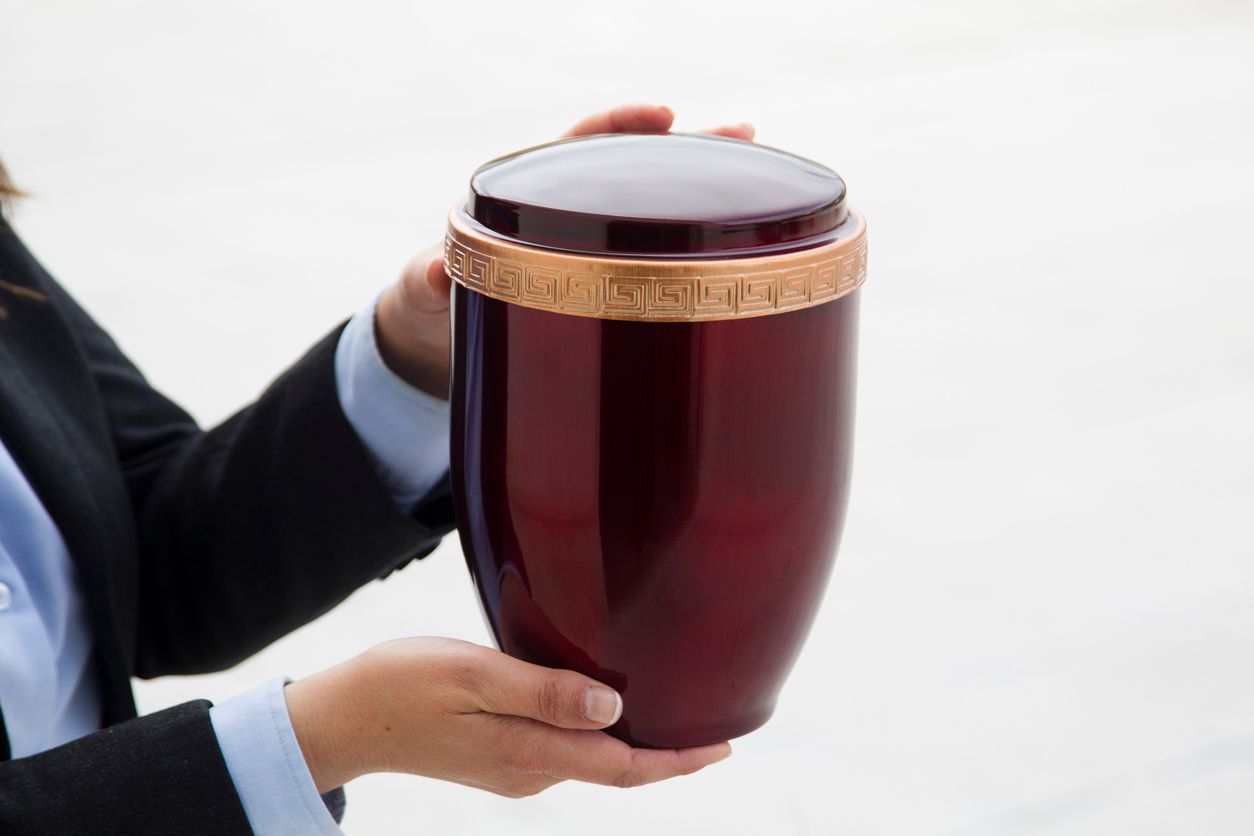
One of the most common questions families ask after a cremation is: how heavy are ashes after cremation? Whether you are choosing an urn, planning a memorial, arranging transportation, or simply trying to understand what to expect, knowing the typical weight of cremated remains can help you make informed decisions during an already difficult time. In most cases, adult cremated remains weigh between 1.5 and 3 kilograms (approximately 3 to 7 pounds), with many adults falling closer to the 2 to 2.5 kilogram range. However, several factors can influence the final weight. Understanding those factors can make selecting an urn, transporting remains, and planning memorial options much easier.

cremation service 5 star review
By Kinship Admin • September 10, 2026
Choosing a cremation service in Ontario? Discover how to verify BAO licensing, compare transparent pricing, and ensure compassionate care for your loved one.
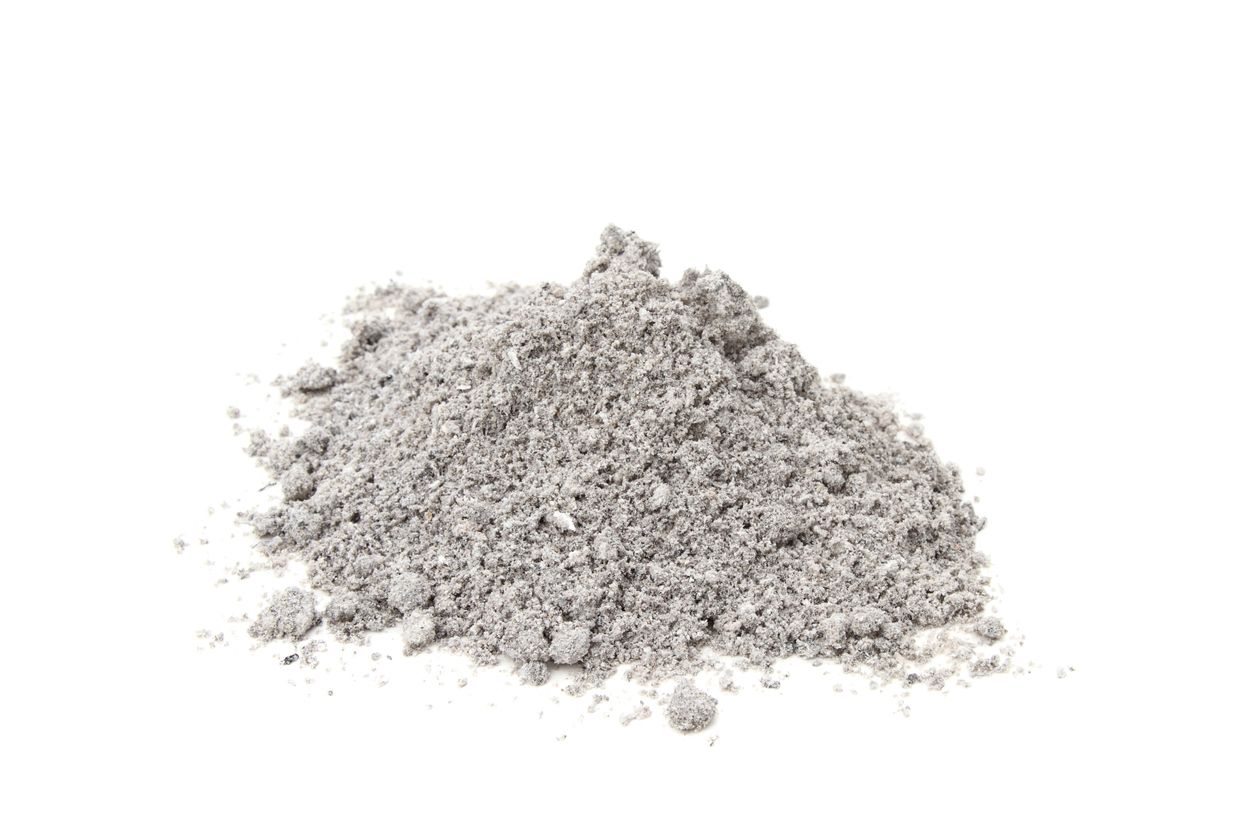
cremated ashes in a pile on a white background
By Kinship Admin • September 8, 2026
Do cremated ashes decompose? Learn why they don't biologically decay, how to store them properly, and how environmental factors impact cremated remains over time.
By Kinship Admin • September 1, 2026
Many Ontario funeral homes publish obituary listings directly on their websites for public access. This article serves as a practical guide to help you search obituaries efficiently across the province of Ontario. Specifically, we focus on how to locate service details and search obituary listings through Sensible Choice Cremation & Funeral Services, ensuring you can find memorial information and offer support to grieving families.
By Kinship Admin • August 25, 2026
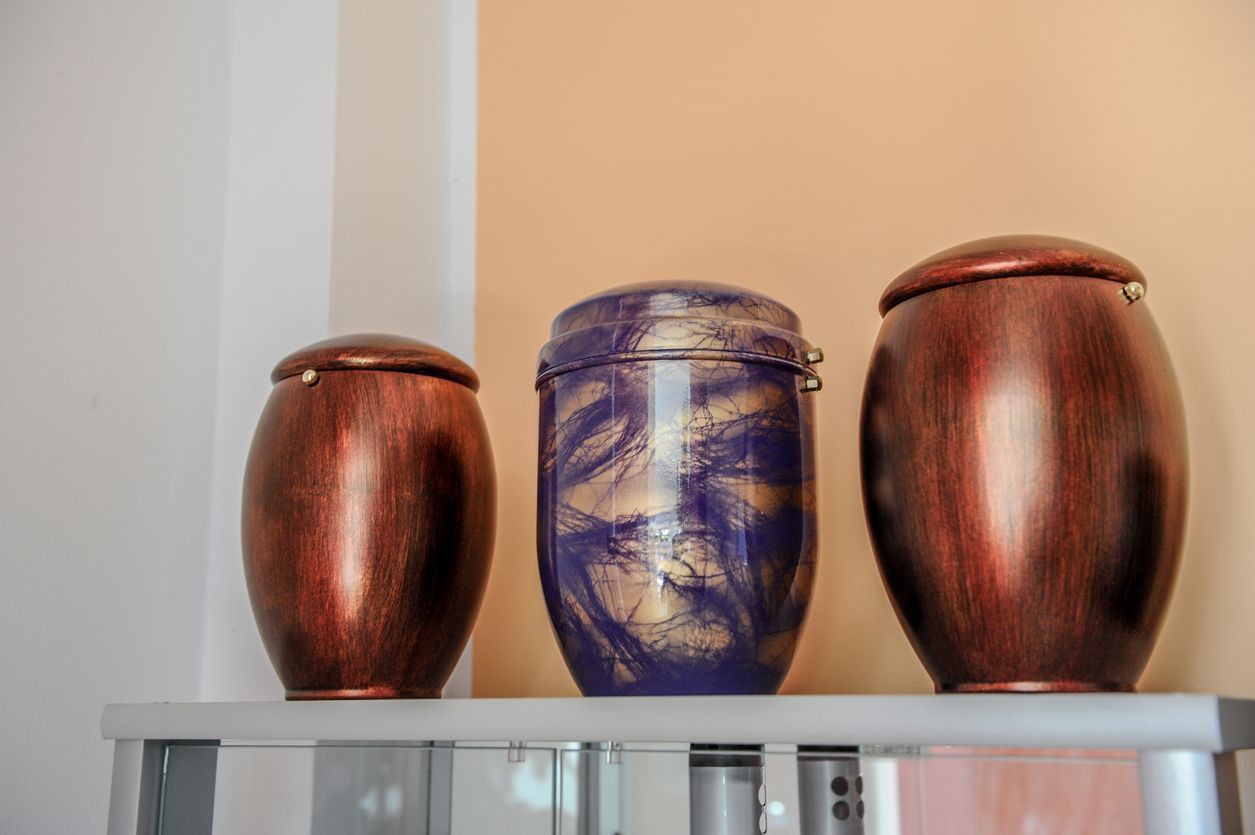
Can cremated ashes be divided? Yes. Learn about the legal and practical steps for separating remains to create respectful, personal memorials for your loved ones.

Gemologist holds a small diamond with tweezers for precise inspection and sorting
By Kinship Admin • August 18, 2026
Thinking of turning cremated ashes into diamonds? Learn about the process, how to verify provider claims, and key considerations for Canadian families.

By Kinship Admin • August 11, 2026
Wondering if you can spread ashes in the ocean in Canada? Learn about the legal requirements, planning steps, and environmental best practices for a meaningful water memorial.

By Kinship Admin • July 30, 2026
Can you travel internationally with ashes? Yes, you can. Bringing a loved one to their final resting place across borders is a meaningful step. It is possible provided you follow the specific guidelines set by airport authorities, airlines, and your destination country. Navigating international travel with ashes requires careful preparation. You must verify CATSA (Canadian Air Transport Security Authority) screening requirements, airline baggage policies, and the entry rules of any connecting countries. Approval is never guaranteed simply by arriving at the departure gate. Planning ahead is the best way to ensure a smooth journey out of Toronto or any other Canadian departure city.
By Kinship Admin • July 2, 2026
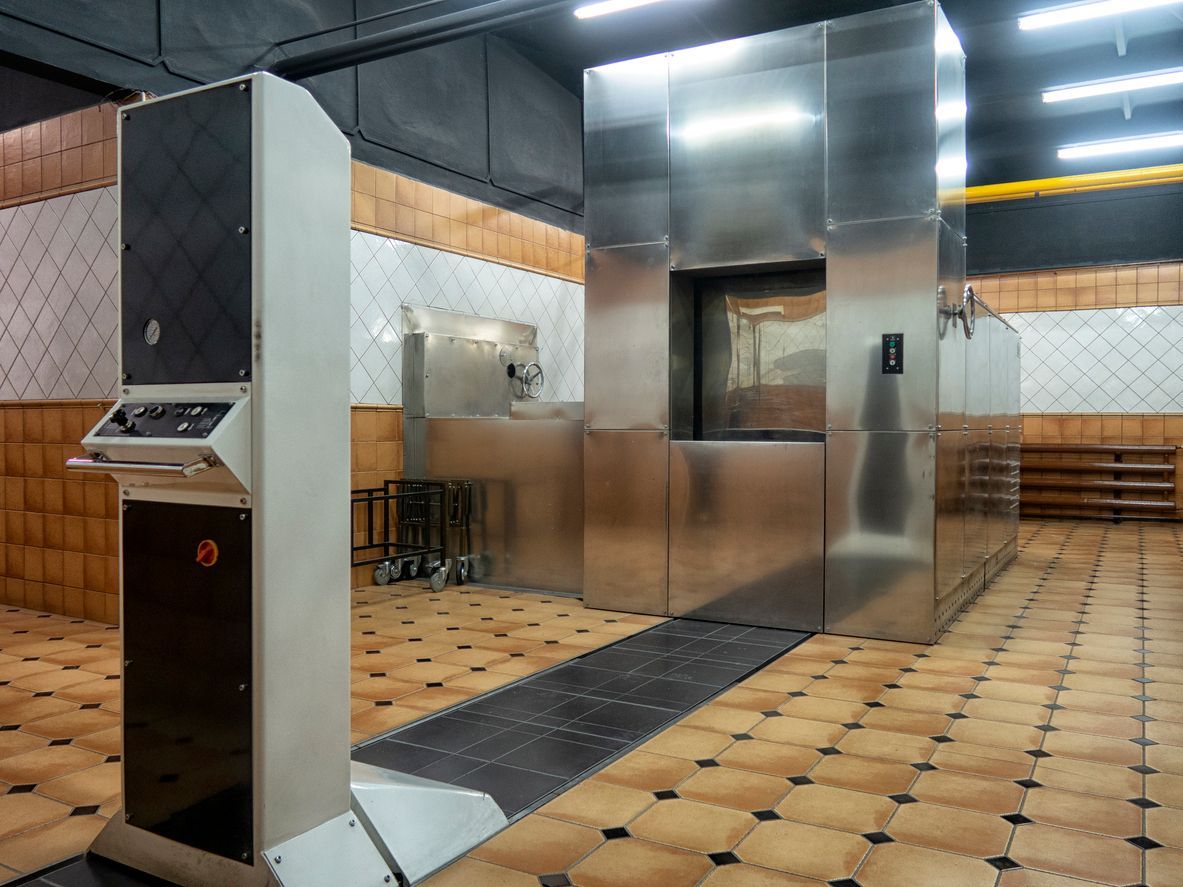
Cremation is a carefully managed process where the deceased is identified, prepared, placed in an approved cremation container or casket, and then cremated in a specialized chamber using high heat. Afterward, the remaining bone fragments are cooled, processed into cremated remains, and placed in a temporary container or urn for the family. Many families choose cremation because it is simple, flexible, and often more affordable than traditional burial. While the procedure can feel unfamiliar, every step is handled with dignity, legal oversight, and strict identification procedures to ensure peace of mind.

By Kinship Admin • June 25, 2026
When exploring end-of-life arrangements, many families ask, “What is direct cremation?” Direct cremation is a simple cremation option where the deceased is cremated without a traditional funeral service, viewing, visitation, or mourners present. The provider handles transportation, the required legal paperwork, the cremation process, and the return of the ashes to the family. Families can then hold a memorial, celebration of life, or private gathering at a later time. Often referred to as simple cremation, unattended cremation, or a cremation without a funeral service, this straightforward option gives families total flexibility. It provides an affordable and practical solution, separating the physical disposition from the memorialization. This means loved ones can honour the person in a meaningful way on a date and at a location that feels most appropriate.
Show More